1. Why Does My Scale Drift or Show Corner Errors?
Drift and corner errors almost always trace to one of five causes, each with a distinct fingerprint you can confirm in under an hour. Work through them in this order:
- Temperature swing. Zero output shifts about 0.02% FS per 10°C on a typical C3 aluminum cell. If readings wander most in the morning and stabilize by noon, this is your cause. Fix: choose cells with tighter compensated temperature ranges, or shield the platform from direct sunlight and HVAC drafts.
- Creep. Under a sustained load, output creeps up over 30 minutes (spec limit typically ±0.017% FS). If your process holds weight — filling, batching, pressing — creep shows up as a slow over-read. Fix: specify high accuracy load cells with better creep ratings; moving from C3 to C5 tightens creep along with combined error.
- Moisture ingress. Condensation inside an unsealed or IP54-rated cell causes erratic zero shifts and drift that worsens in humid weather. Fix: upgrade to IP65 minimum for indoor washdown-adjacent areas, IP67/IP68 stainless for wet environments.
- Mounting errors. Uneven bolt torque, bent mounting plates, or debris under the load point introduce side loads that mimic corner error. Fix: re-torque all bolts to spec, clean and level the mounting surface, then re-check the five-point corner test.
- Overload history. A past shock load (dropped pallet, forklift bump) permanently shifts zero and nonlinearity even when the cell still "works." Fix: verify against the 5-point corner test; if error exceeds 0.1% after remounting, the flexure is deformed — replace the cell.
|
Symptom |
Most likely cause |
First fix to try |
|
Drift follows room temperature |
Temp effect on zero |
Shield platform / tighter compensated range |
|
Slow over-read under sustained load |
Creep |
Upgrade creep spec (C5-class cell) |
|
Erratic zero in humid weather |
Moisture ingress |
Move to IP65+ sealed cell |
|
Corner error after installation |
Mounting / platform oversize |
Re-torque, level, verify platform size |
|
Zero shift after an impact |
Overload deformation |
Replace the cell |
✅ Bottom line: Diagnose drift by matching the symptom's fingerprint — temperature, creep, moisture, mounting, and overload each leave a distinct pattern — before spending money on replacements.
2. Repair, Recalibrate, or Replace — How Do You Decide?
Recalibrate if the error is under 0.1% FS and stable across a week of monitoring; replace the cell if zero shift exceeds 2% FS, nonlinearity keeps growing, or insulation resistance drops below 5,000 MΩ. Between those poles, use this decision logic:
✅ Recalibrate when: error is small and repeatable, the mounting passes the corner test, and the environment has not changed. An annual calibration is standard preventive practice anyway.
✅ Replace when: the cell failed the five-point corner test after remounting, insulation is compromised by moisture, or zero drifts more than 2% FS — a deformed flexure cannot be repaired in the field.
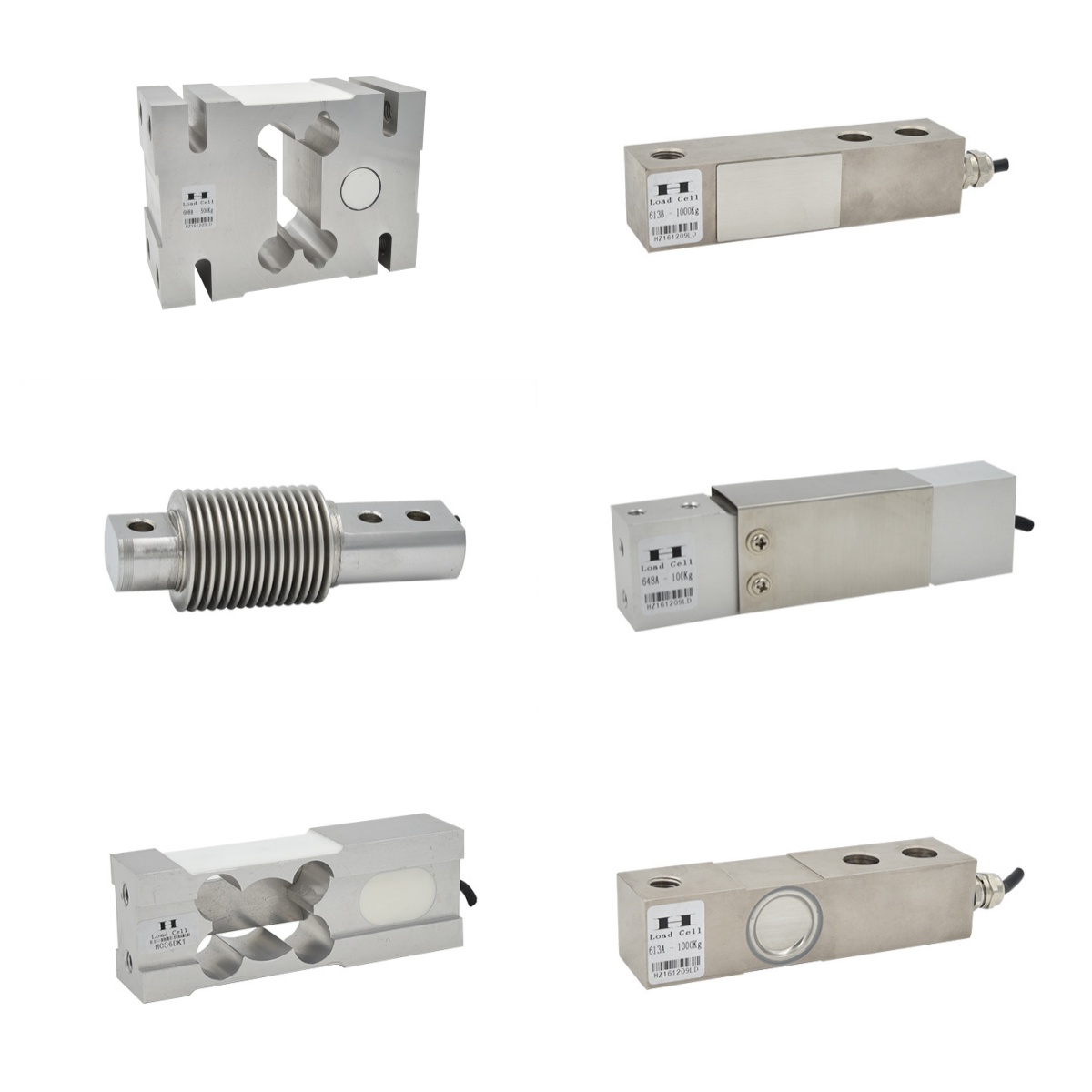
When you do replace, match three things, not just capacity: accuracy class, maximum platform size, and mounting envelope. This is where buying from a range manufacturer pays off — the Huazhun 651 series single-point load cell family, for example, spans C3 to C6 in the same mounting dimensions, so a C3 platform can be upgraded to high accuracy load cells without any mechanical redesign. Order replacement samples from 1 piece through OEM channels, verify with the same corner test, then commit to the wholesale quantity.
Prevention is cheaper than every option above: protect cable entries, torque mounting bolts annually, keep washdown ratings matched to the real environment, and log calibration results so drift trends become visible before they cost you a production batch.
✅ Bottom line: Recalibrate for small stable errors, replace above 2% FS zero shift or failed insulation, and match class, platform size, and mounting envelope when sourcing the replacement.
FAQ
Q: How often should platform scale load cells be calibrated? A: Annually is the standard for stable indoor environments; every 6 months for washdown, high-vibration, or temperature-swing locations. Log results each time — a rising drift trend predicts failure long before it happens.
Q: Can a moisture-damaged load cell be dried out and reused? A: Not reliably. Once condensation reaches the strain gauge bridge, insulation degrades permanently even if readings temporarily recover. Replace with a properly sealed IP65+ cell — the Huazhun team can match the envelope.
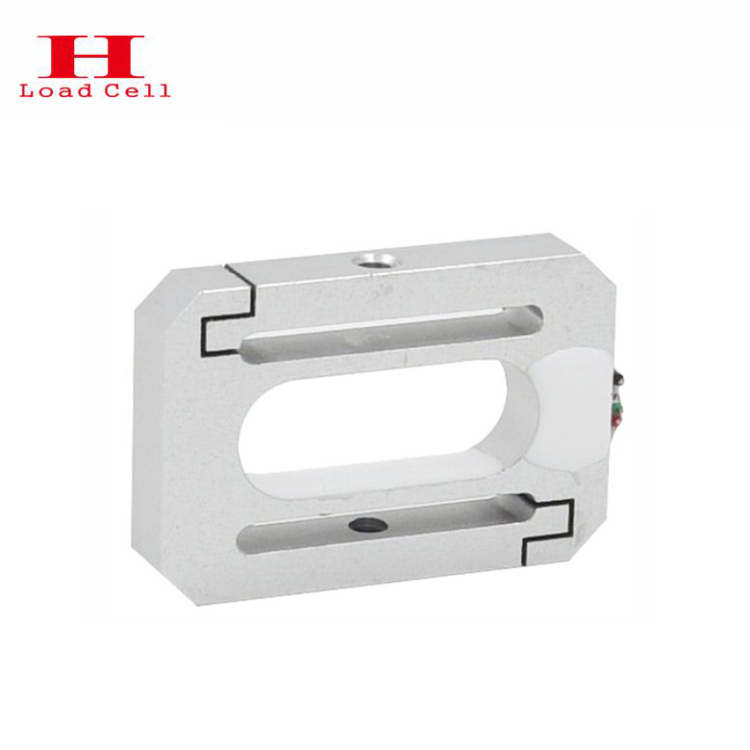
Q: Where can I buy a replacement load cell for sale with the same mounting? A: Buy factory-direct so you can match class and envelope exactly. Zhejiang Huazhun Sensor Technology Co., Ltd. offers single-point, S-type, and shear beam replacements with OEM/ODM support, 1-piece sample orders, and wholesale pricing for production spares.
CTA: Send Us the Symptom, Get the Diagnosis
Photograph your installation, note the drift pattern, and send it to the Huazhun engineering team — we will identify the likely cause and recommend either a fix or a matched replacement within one working day, free of charge. Samples ship from 1 piece, and every cell carries traceable calibration data. Contact Huazhun today and stop losing batches to drift.