The most common culprit is using a hard temper, like T6, for a tight bend. T6 offers great structural strength, but it lacks the ductility to stretch. If your design requires tight radii, you must specify an annealed (O) or T4 temper.
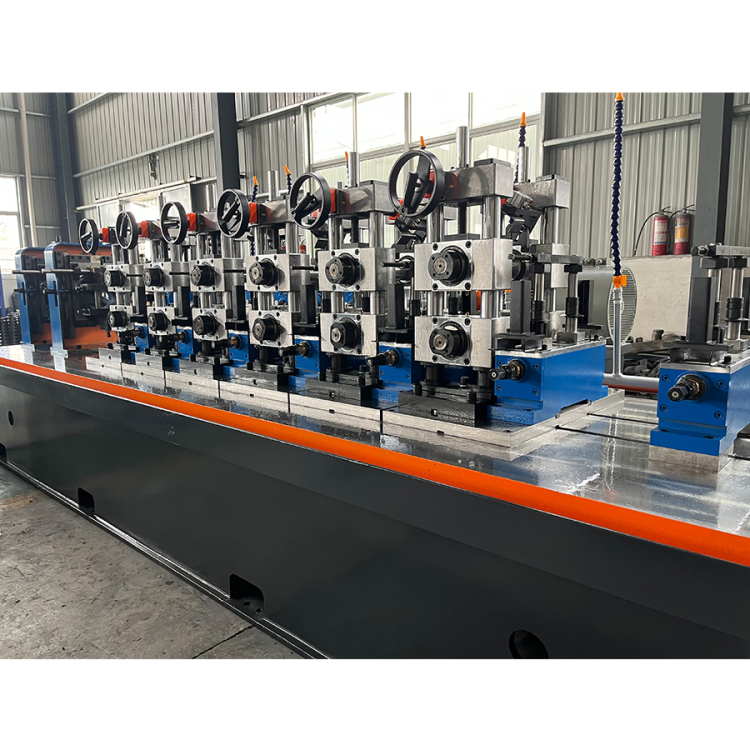
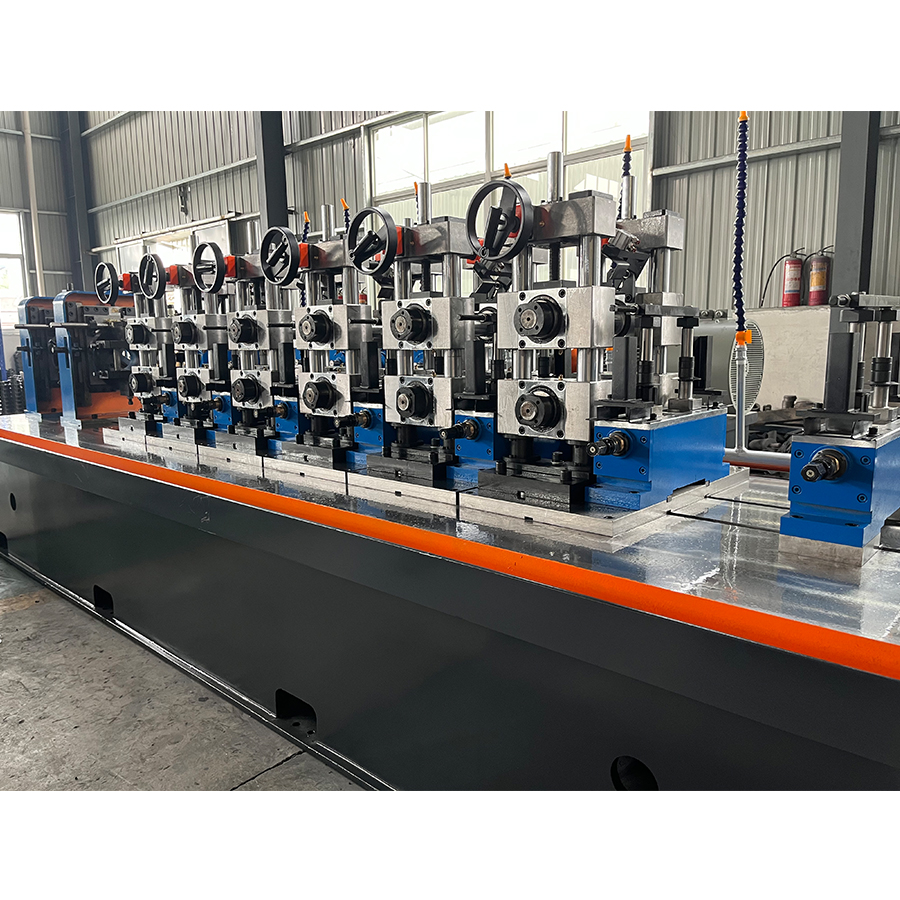
But the tube's manufacturing history matters just as much. If you are sourcing welded tubes, the integrity of the seam and the uniformity of the wall thickness are critical. A low-end Roll Forming Machine can leave residual stress in the metal, which causes it to fail under bending loads. The same principle applies to steel processing. Even a heavy-duty Steel Tube Mill Machine must maintain strict tolerance; if the wall thins out on one side, that exact spot will crack during downstream fabrication.
So, how do you fix it?
-
Verify the Temper: Confirm you are not bending hard-tempered stock.
-
Check the Radius: Ensure your bend radius is at least 2-3 times the tube's outer diameter.
-
Use a Mandrel: A mandrel inside the tube supports the inner wall and prevents collapse.
Before you buy your next batch, look beyond the price per ton. Ask for the temper state and check the wall thickness tolerance. A ductile tube that costs a little more upfront will save you a fortune in scrapped parts.