Optical sensors and NIR (Near-Infrared) systems are designed to look at a single, spread-out layer of material. If your conveyor belt is carrying a deep pile, the sensor only "sees" the top layer. The material hidden underneath becomes an invisible blind spot. Even the fastest air nozzles cannot eject a piece of material that the sensor never registered.
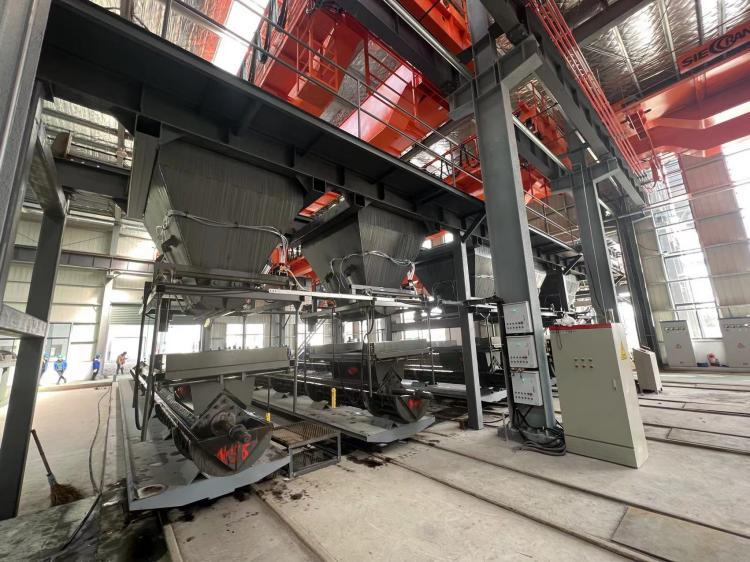
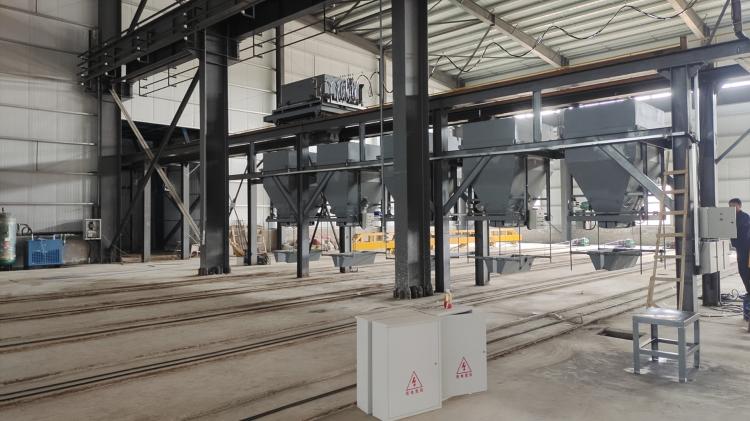
This is why the entire material handling chain matters. When a Material Sorting Vehicle unloads debris or raw materials, it often dumps everything in large clumps. If the Transferring Equipments—such as vibratory feeders or hoppers—fail to regulate this flow, the sorting belt gets flooded.
You need a smooth, wide distribution of material. This is where heavy-duty systems like a Tire Conveyor play a crucial role. Tire conveyors are excellent for absorbing heavy shock loads and stabilizing the primary feed. However, even with a good tire conveyor, you still need a proper singulation mechanism (like a vibrating pan feeder) right before the sorting belt to flatten out the pile and spread the material into a thin, even monolayer.
Before you blame the sorting algorithm for poor purity, walk to the feed point. Watch the material layer on the belt. If it is stacking up, stop the line and adjust your feed rate or feeder mechanics. Accurate sorting isn't just about smart sensors; it is about controlling the physical flow of materials long before they reach the scanning zone.