In the field, a common failure is "lack of fusion" at the corners. If the steel plate wasn't beveled correctly or the welding arc didn't penetrate deep enough, the corner becomes a hollow trap. When the pile hits hard rock or dense soil, the corner splits open.
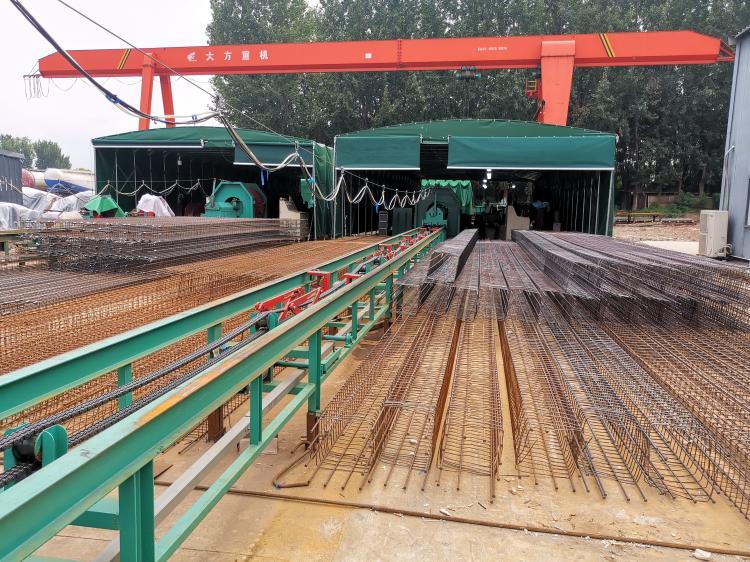
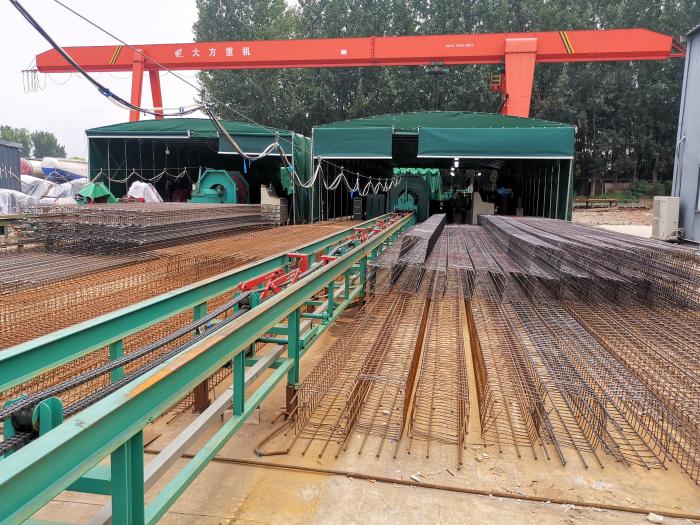
A professional Square Pile Roll Welder solves this by combining forming and welding into one tight process. The machine uses synchronized hydraulic rollers to hold the exact square shape, while the submerged arc welding head follows a precise groove. This guarantees full penetration without burning through the edges. It is not about welding fast; it is about controlling heat input to avoid warping the square profile.
This engineering logic applies to other infrastructure manufacturing too. A heavy-duty Roll Welder used for large structural tubes or beams requires the exact same synchronized precision. Even in the precast concrete industry, an Electric Pole Roll Welder relies on this continuous longitudinal seam to ensure the steel mold or reinforcement cage holds its shape under intense pressure.
Buyers often look at the motor power or the maximum plate thickness. But the real spec you should check is the weld seam tracking and the cooling system. Ask for the ultrasonic testing (UT) reports. The corners are where the stress lives, and a perfectly fused corner is the only thing keeping your foundation standing.