
Where Does the Scrap-Rate Difference Between Flexographic and Gravure Printing Come From?
The lower scrap rate of flexographic printing is not caused by one single component. It is the result of faster job changeovers, more stable web handling, better registration control, efficient ink management, and stronger automation across the entire production process.
In gravure printing, a new order often requires more extensive preparation. Operators may need to replace cylinders, adjust ink viscosity, set drying conditions, and fine-tune the registration of multiple colors. During this period, the press may consume a considerable amount of substrate before the first acceptable roll is produced.
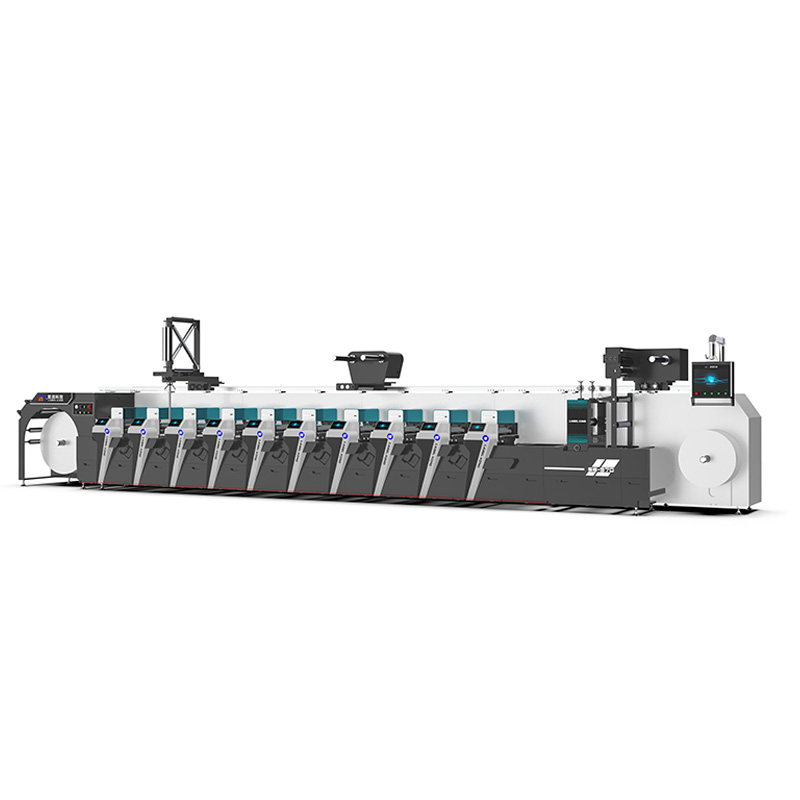
A modern Flexographic Printing Machine can reduce this waste through a more efficient setup structure. Its anilox roller, doctor blade system, plate cylinders, drying unit, and automatic registration system are designed to support fast and repeatable production. This is especially valuable for label printing, flexible packaging, paper bags, and other products with frequent order changes.
The difference becomes more visible when a factory handles several orders every day. If a plant changes jobs 5 times per day and each changeover consumes dozens or hundreds of meters of material, the monthly waste can become substantial. Even a small reduction in startup waste can create a measurable improvement in operating profit.
However, a lower scrap rate does not mean that every flexographic press automatically performs better than every gravure press. Final results depend on machine design, operator experience, substrate quality, plate technology, ink selection, and production standards. The key advantage is that a well-configured flexographic system gives manufacturers more opportunities to control these variables quickly and consistently.
Why Job Changeovers Create Significant Material Waste
Job changeover is one of the most important reasons why a flexo printing machine can achieve a lower scrap rate. Gravure production commonly relies on engraved cylinders. When the artwork, repeat length, or color specification changes, operators may need to replace cylinders and reset the press.
The process can involve cylinder installation, ink preparation, color matching, drying adjustment, web alignment, and registration calibration. Each individual adjustment may appear manageable, but the combined material consumption can be significant when the factory changes orders several times a day.
A flexographic printer normally uses flexible printing plates mounted on plate cylinders or sleeves. Depending on the press configuration, plates and sleeves can be prepared in advance and replaced efficiently. Many modern flexo printing machines also include presetting functions that reduce manual adjustment before production starts.
This advantage is particularly important for label converters and packaging manufacturers that produce many designs in relatively small batches. A flexo label printing machine can help reduce the amount of substrate used before the first approved impression, allowing the plant to turn more purchased material into saleable products.
How Registration Stability Helps Flexographic Printing Reduce Waste
Multicolor registration is a critical quality factor in both label and packaging production. If one color shifts from its correct position, the final product may show blurred text, incorrect outlines, visible color gaps, or distorted graphics. These defects are often impossible to correct after printing.
The risk increases when the substrate is thin, flexible, or sensitive to tension changes. A modern flexographic printing press can reduce this risk through precise web-tension control, servo-driven units, automatic register correction, and stable material transport.
Many advanced flexographic presses use cameras or sensors to monitor registration marks during production. When the system detects a deviation, it can automatically correct the relevant printing unit. This reduces the amount of defective material produced after a registration problem begins.
Stable registration also improves production consistency between the beginning, middle, and end of a roll. For a manufacturer, this means fewer quality complaints, less rework, and a lower risk that a large quantity of finished products will need to be downgraded or discarded.
The Impact of Color Consistency on Finished-Product Yield
Color variation is another major source of waste. In gravure printing, changes in ink viscosity, cylinder condition, solvent balance, drying temperature, substrate absorption, and press speed may influence the final color.
When color moves outside the customer’s approved tolerance, the affected material may need to be reprinted or rejected. This is especially costly for brand packaging, where color consistency is directly related to brand recognition.
A well-designed flexo machine can provide more stable ink transfer through anilox roller control and a doctor blade system. Modern systems may also include ink circulation, viscosity monitoring, automatic wash-up, and inline inspection. These technologies help operators identify problems earlier and reduce the length of defective material.
The best flexographic printing machine is therefore not simply the fastest model. It should deliver consistent color, accurate registration, efficient drying, and reliable operation throughout the entire production run.
Why Flexographic Printing Performs Better for Short and Diverse Orders
Market demand is increasingly moving toward shorter runs, more product variations, customized packaging, and faster delivery. Under these conditions, the cost of every changeover becomes more important.
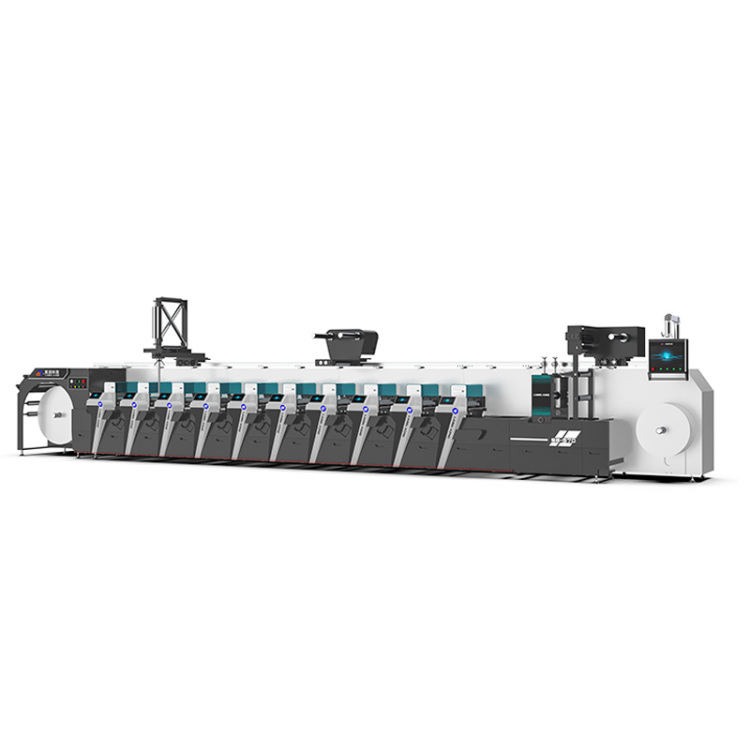
A flexo printing press is often well suited to this production environment because its printing plates, sleeves, ink systems, and automation can support efficient order switching. Faster preparation means less downtime and fewer meters of material used for setup.
Flexographic printing is also suitable for a broad range of substrates, including paper, film, foil, adhesive label stock, and other flexible materials. This production flexibility allows one flexographic printer to serve multiple product categories.
For companies comparing a flexo printing press with a gravure system, the correct evaluation should include total operating cost rather than only the initial equipment price. Material waste, setup time, labor, maintenance, and production flexibility can have a major impact on the long-term return on investment.
How to Calculate the Real Cost of Scrap in Flexographic and Gravure Printing
A practical scrap-cost analysis should include more than the price of wasted substrate. Manufacturers should calculate the following items:
First, measure the substrate used during each startup and changeover. Record the average waste per order and multiply it by the number of daily and monthly changeovers.
Second, calculate the cost of ink, solvent, plates, energy, and labor consumed while the press is producing non-conforming material.
Third, include the cost of downtime. A press that requires longer setup reduces the available time for saleable production.
Fourth, calculate the cost of rework, sorting, customer claims, delayed delivery, and potential loss of future orders.
For example, if a factory changes jobs 5 times per day and reduces setup waste by 100 meters per changeover, the monthly material savings can be estimated by multiplying 100 meters by 5 daily changeovers and the number of production days. The final calculation should then add saved ink, labor, energy, and disposal costs.
This method provides a more accurate comparison between a flexo printing machine and a gravure press. It also helps manufacturers determine whether a higher level of automation can be justified by measurable savings.
How to Choose a Flexographic Printing Machine with a Lower Scrap Rate
When selecting a flexographic printing machine, manufacturers should evaluate the complete production system instead of focusing only on printing speed.
Important features include automatic registration control, stable web tension, accurate ink metering, fast plate or sleeve replacement, reliable drying, inline inspection, and an intuitive operator interface.
The machine should also be matched with the company’s substrate range and product requirements. A flexographic label printing machine for narrow-web labels may have different specifications from a wide-web flexographic press for flexible packaging.
The technical support of the supplier is equally important. Experienced flexo printing machine manufacturers should provide installation, operator training, process support, spare parts, and timely troubleshooting. A technically advanced machine may still produce excessive waste if operators cannot use its functions correctly.
Before purchasing, buyers should request a production test using their actual substrate, ink, artwork, and target speed. The test should measure startup waste, registration stability, color consistency, production speed, and changeover time.
Conclusion
Flexographic printing usually achieves a lower scrap rate than gravure because it combines faster changeovers, lower startup waste, stable web handling, accurate registration, efficient ink control, and flexible production capabilities.
The financial benefit does not come from one isolated step. It comes from reducing waste throughout the entire production cycle. When a factory changes jobs frequently, even a small reduction in waste per changeover can create substantial monthly savings.
Choosing the right flexo machine requires a complete evaluation of equipment structure, automation, application requirements, service support, and actual production data. A reliable flexographic press should help manufacturers produce more saleable products with less material, less downtime, and fewer quality problems.