
Chapter 1. The short answer: why powder metallurgy parts can cost less than cast parts
The short answer is simple: powder metallurgy can reduce the total cost of a component because it puts material close to the final shape before expensive finishing begins. In a conventional powder metallurgy process, metal powder is blended, pressed in a shaped die, and sintered below the material’s melting point. This creates a near-net-shape part with limited material removal. The Metal Powder Industries Federation identifies improved raw-material utilization and the reduction of costly secondary machining as important advantages of the technology.
Casting follows a different route. Metal is melted, poured into a mold, solidified, removed, trimmed, and often machined. The casting must normally include material for gates, runners, risers, and machining allowance. Some of that material can be recycled, but recycling still requires collection, remelting, energy, handling, and process control. The cost is therefore not limited to the purchase price of the metal.
This does not mean that every powder metallurgy part is cheaper than every cast part. A fair comparison must consider part size, geometry, annual volume, material, tolerance, strength, tooling, secondary operations, and inspection requirements. Powder metallurgy is usually most competitive when the component is suitable for pressing and the program produces enough parts to spread the tooling and process-development cost.
The central question is not “Which process has the lowest machine rate?” It is “Which process produces an acceptable part with the lowest total cost over the complete production program?” For many small and medium-sized repeat components, that answer favors powder metallurgy.
Chapter 2. What is Powder Metallurgy, and how does it differ from casting?
Powder Metallurgy is a manufacturing family that uses metal powders rather than a fully molten charge as the starting point. In conventional production, the powder metallurgy process normally includes six stages:
1. Powder production and selection.
2. Blending with alloying additions and lubricant.
3. Compaction in a precision die to form a green compact.
4. Sintering in a controlled atmosphere.
5. Secondary operations when tighter tolerances or special properties are required.
6. Inspection and release.
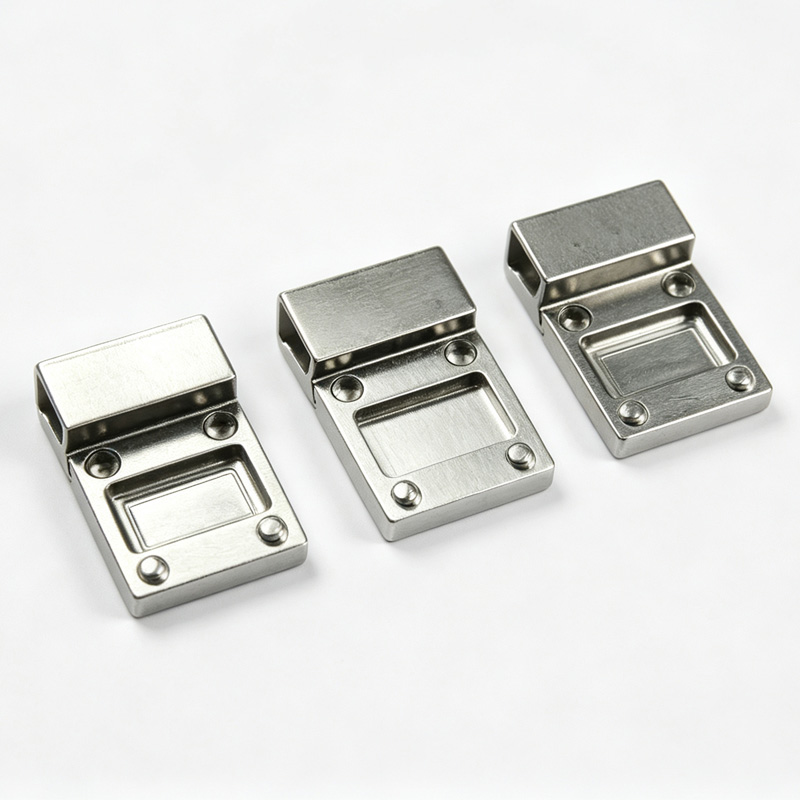
The process can produce powder metallurgy products such as gears, sprockets, bushings, flanges, structural components, magnetic parts, and self-lubricating bearings. “Metal powder metallurgy” describes the broader material-and-process field, while “powder metallurgy parts” refers to the finished components. These terms are related, but they should not be treated as unrelated manufacturing methods.
Casting is often better for large components, very low volumes, or shapes that are difficult to press and eject. Powder Metallurgy is often better for repeatable small components where the die can form much of the final geometry directly.
Chapter 3. Higher material utilization means less hidden waste
The main material advantage of powder metallurgy is that powder is placed where the component needs it. With a well-designed part, material utilization can often exceed 95 percent, although the actual result depends on powder recovery, rejected parts, trimming, and the company’s accounting boundary. The number should therefore be treated as a project-specific engineering target, not a universal guarantee.
A casting may require a gating system to deliver molten metal, a riser to compensate for shrinkage, and extra stock to protect the final machined surface. Those features are necessary for many casting designs, but they are not part of the customer's finished component. Powder metallurgy usually avoids this type of permanent casting attachment.
Lower waste also reduces more than material purchasing. It can reduce scrap handling, remelting, furnace loading, chip disposal, and the labor needed to separate reusable material. If the powder formulation and recovery system are properly controlled, the material loop can be more efficient.
Chapter 4. Near-net-shape forming cuts machining time
Machining is often the largest cost difference between two apparently similar parts. A cast blank may need facing, turning, drilling, reaming, milling, deburring, and dimensional correction. Each operation adds cycle time, setup time, tooling wear, labor, inspection points, and the possibility of variation.
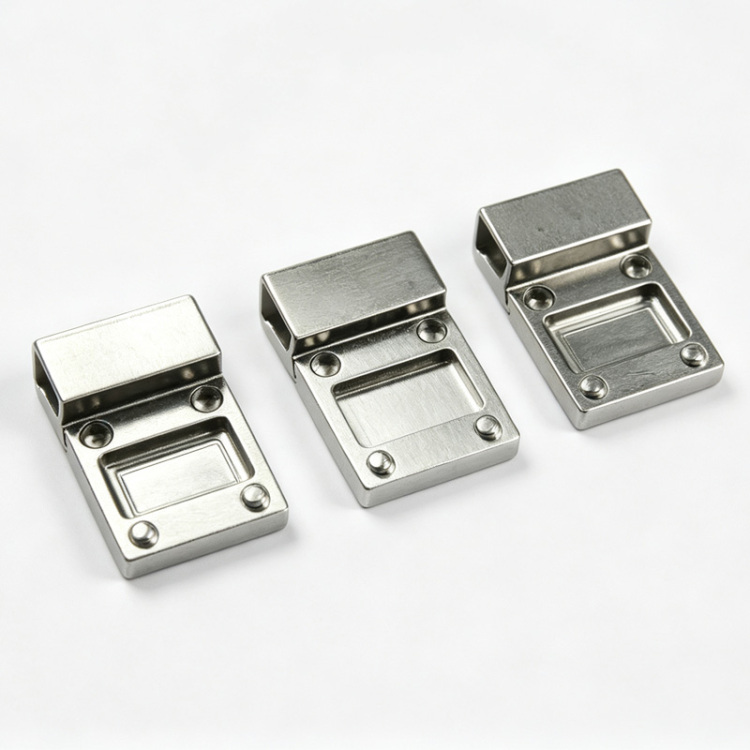
A well-designed powder metallurgy die can form many external features directly. The part may still need sizing, coining, heat treatment, impregnation, grinding, or limited machining, but the amount of material removed is usually much smaller. Fewer operations also mean fewer opportunities for damage and fewer handoffs between production stations.
This is why the phrase “near-net shape” matters. It does not mean “zero post-processing for every part.” It means the forming process creates a shape close enough to the final specification that the remaining operations are limited and purposeful.
Chapter 5. Why higher volume improves the economics
Powder metallurgy tooling is a front-loaded investment. The die, punches, process trials, powder qualification, and dimensional studies must be paid for before the first production batch is complete. Once the process is stable, however, the tooling cost can be distributed across thousands or millions of parts.
Pressing is repeatable and can be highly automated. Sintering can process many parts in one furnace load, and stable parameters can reduce part-to-part variation. As annual volume increases, the fixed cost per part falls while the savings from less material and machining continue to accumulate.
At very low volumes, casting or machining may win because the tooling investment is smaller or unnecessary. At high volumes, the calculation often changes. A responsible supplier should quote both the non-recurring tooling cost and the recurring piece price so the buyer can compare the break-even point.
Chapter 6. Compare total cost, not only the quoted piece price
A complete sourcing comparison should include:
• Raw material and powder preparation
• Tooling and tool maintenance.
• Pressing, sintering, and furnace loading.
• Secondary operations and surface treatment.
• Inspection, testing, and traceability.
• Scrap, rework, packaging, and logistics.
• Qualification and engineering-change costs.
• Expected service life and field performance.
For example, a powder metallurgy part may have a higher initial tooling charge but a lower recurring price. A cast part may look cheaper in the first quotation but become more expensive after trimming, machining, rework, and scrap are included. The correct decision comes from a total-cost-of-ownership comparison over the expected program volume.
Chapter 7. When powder metallurgy is not automatically cheaper
Powder metallurgy is not a universal replacement for casting. Large or very thick parts may be difficult to compact and sinter economically. Extremely low-volume projects may not justify a dedicated die. Undercuts, cross holes, and certain deep features may require additional operations or a different powder-based technology.
Applications with severe impact, fatigue, or pressure requirements may need a high-density route, such as powder forging, hot isostatic pressing, or another process. Casting may also be the better choice when the geometry is large and complex, when design changes are frequent, or when the required material is not suitable for the selected powder route.
The correct conclusion is conditional: powder metallurgy is often cheaper when its process strengths match the part's design and volume. It is not cheaper simply because it uses powder.
Chapter 8. How to choose a reliable powder metallurgy manufacturer
A capable powder metallurgy manufacturer should be able to explain how the part will be designed for pressing, how density will vary through the geometry, and which dimensions will be controlled by the die. Ask for material specifications, density targets, hardness data, dimensional capability, process-control records, and a clear plan for secondary operations.
Also check whether the supplier can support the full powder metallurgy process from prototype review to stable mass production. Important questions include: Who owns the tooling? How are powder batches traced? How are nonconforming parts handled? What tests are performed after sintering? How will the supplier manage a design change or annual-volume increase?
Technical credibility is more valuable than a low first quote. A supplier that identifies risks early can prevent late tooling changes, unstable quality, and unexpected machining costs.
Chapter 9. Final answer: when should you choose powder metallurgy?
Choose powder metallurgy when the part is relatively compact, the geometry is press-friendly, the annual volume is medium to high, and the design can benefit from near-net-shape forming. It is especially attractive when casting would create substantial gates, risers, machining allowance, and repeated finishing operations.
Before making the decision, request a design-for-manufacturing review and a cost breakdown from a qualified powder metallurgy manufacturer. Compare the complete program cost rather than only the raw-material price or initial tooling fee.