
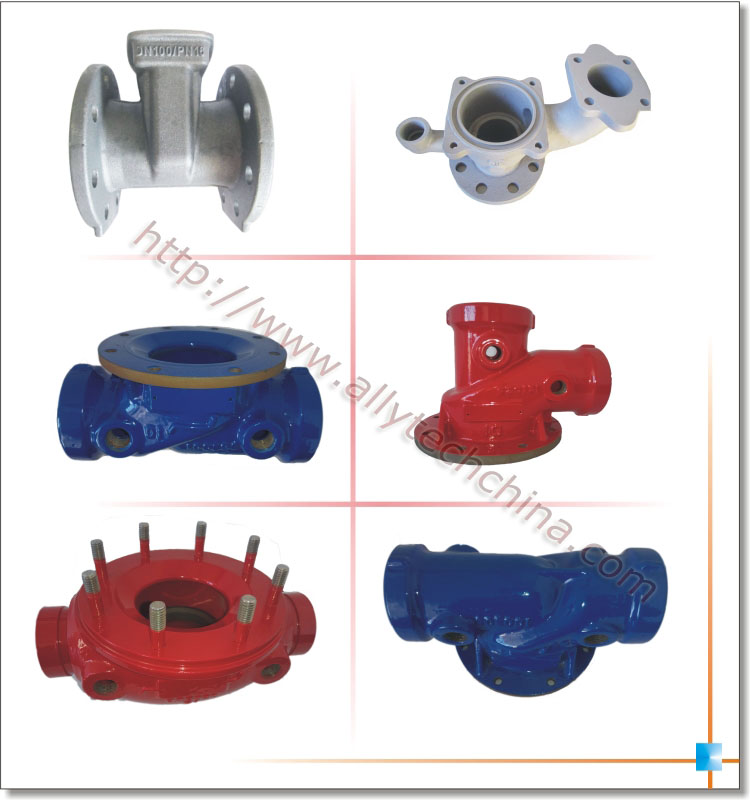
Bottom line: When a die-cast automotive part goes through CNC machining and surface finishing and ends up out of tolerance, the answer should never be “whoever ran the last operation.” The real question is whether your supplier performs those processes under one roof—and whether a written tolerance handoff protocol exists between operations. Without it, you are not buying a part. You are buying the start of a blame game.
Why Multi-Process Parts Fail at the Handoff Points
In a fragmented model (Casting Plant A → CNC Shop B → Finishing Plant C), each party only cares about passing its own outgoing inspection. The casting plant ships to casting tolerance; the CNC shop accepts to machining tolerance. Nobody owns the combined result. A transmission housing with a cast surface 0.3mm off position leaves the CNC operator insufficient stock—he machines to nominal anyway, wall thickness thins, strength drops, yet the CNC dimensional report reads “pass”.
| Model | Who Owns Final Tolerance | Buyer‘s Visibility |
|---|---|---|
| Fragmented A→B→C | Nobody; each owns only its own spec | Two reports, no link |
| Same-site, no protocol | Last operation, de facto | One report, no trace |
| Same-site + written handoff | Defined per operation, signed | Route card with sign-offs |
Takeaway: Quality accountability can’t be proven by the final inspection report—it must be locked in by each operation’s written commitment to the next.
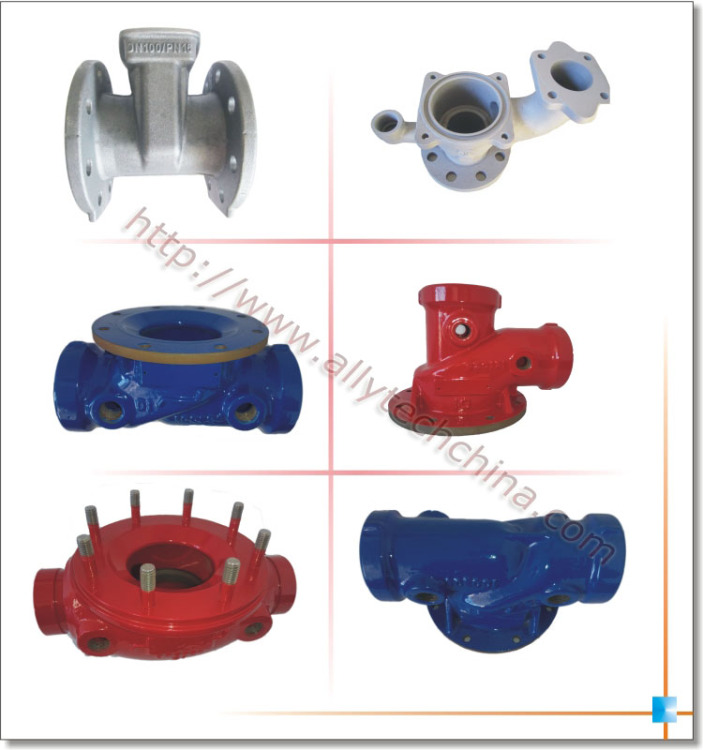
How to Audit the Difference
Look at two things: where the tooling physically sits, and whether the FAI report carries the same signatory across operations. If the die is in Plant A, the CNC program in Plant B, and the company names differ, you are looking at outsourced patchwork.
A genuine in-house flow shows an internal work order number, operation codes, and handoff signatures. Outsourcing produces only shipping and receiving documents. When a cast blank enters CNC in a true single-site operation, QC marks the datum surface and tells the CNC cell: “This batch has 0.2mm less stock than standard—adjust the fixturing datum.” Under outsourcing, you get two independent reports but no judgment of whether the blank can still be machined as planned.
Don‘t ask “Do you do CNC?” Ask “Who signs the release sheet before the cast blank enters CNC—and which office does that person sit in?”