Shandong Liangshan Conghui Automobile Trading Co., Ltd. supplies dump trucks, mixers, truck-mounted cranes, and special chassis from XCMG Hanvan, SINOTRUK HOWO, SITRAK, and SHACMAN stock, and this selection logic reflects what our 20-plus-year veterans actually deploy on projects across Africa, Central Asia, and Southeast Asia.
1. What Truck Configuration Does Each Site Type Actually Need?
Match axle count, horsepower, and body type to ground conditions and cycle distance — not to the biggest spec sheet number. Four site profiles cover most construction projects:
- ✅ Open-pit mining hauls: 550HP 8×4 wide-body dump builds with oil-pneumatic suspension and inter-wheel differential locks. Rough, overload-prone ground punishes anything lighter; a Kazakhstan mining client running 12 heavy-duty 8×4 mixers through Conghui's 61-point inspection process logged 18 months of continuous operation with 95% uptime
- ✅ Urban construction and concrete supply: 6×4 mixer trucks in the 380–430HP range, prioritizing a compact 5.6–5.8m body and turning radius over raw power. City sites rarely need more, and smaller bodies navigate tighter access roads
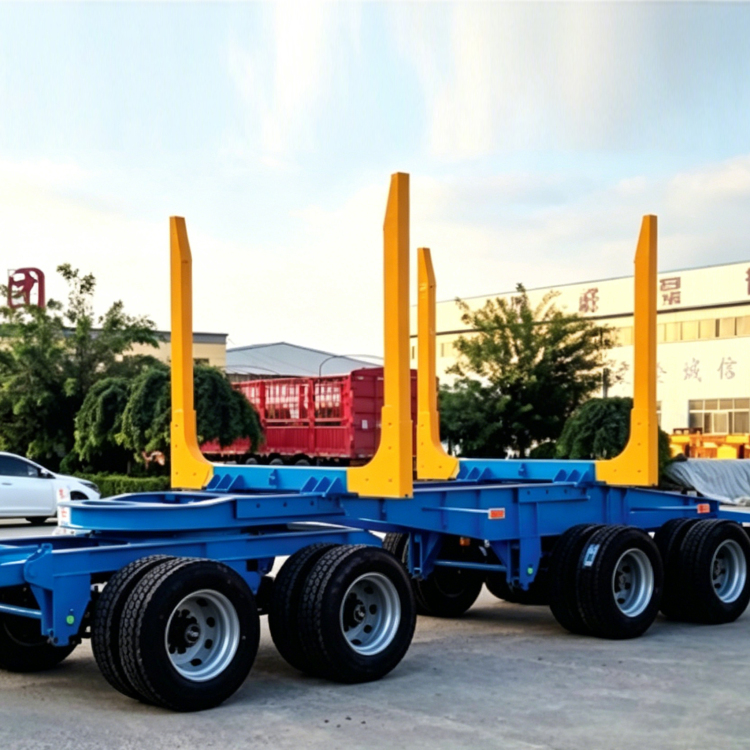
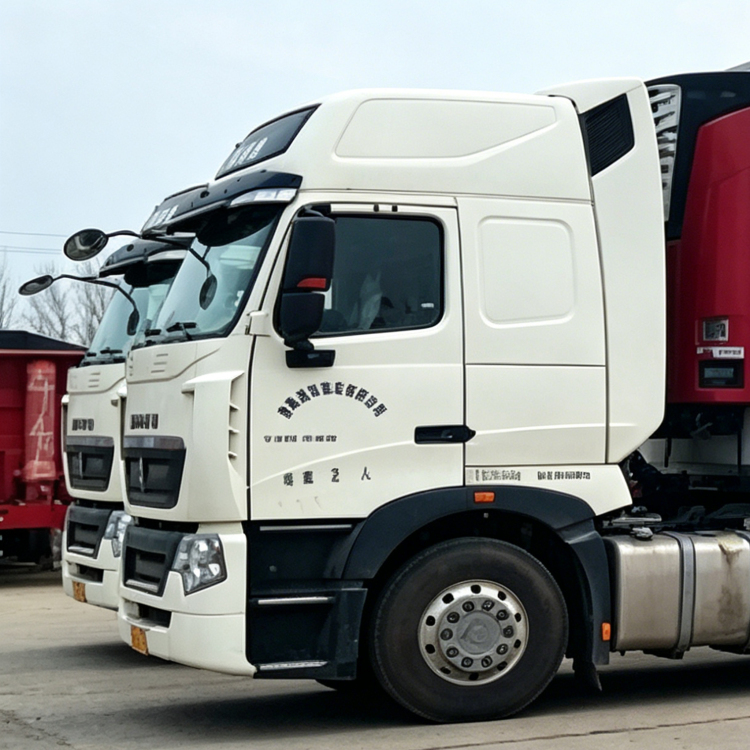
- ✅ Long-distance material logistics between sites: 460–550HP 6×4 heavy duty truck tractors for dump trailers or flatbeds with air suspension — the XCMG G7 and Delong X3000 460HP units are the workhorses here
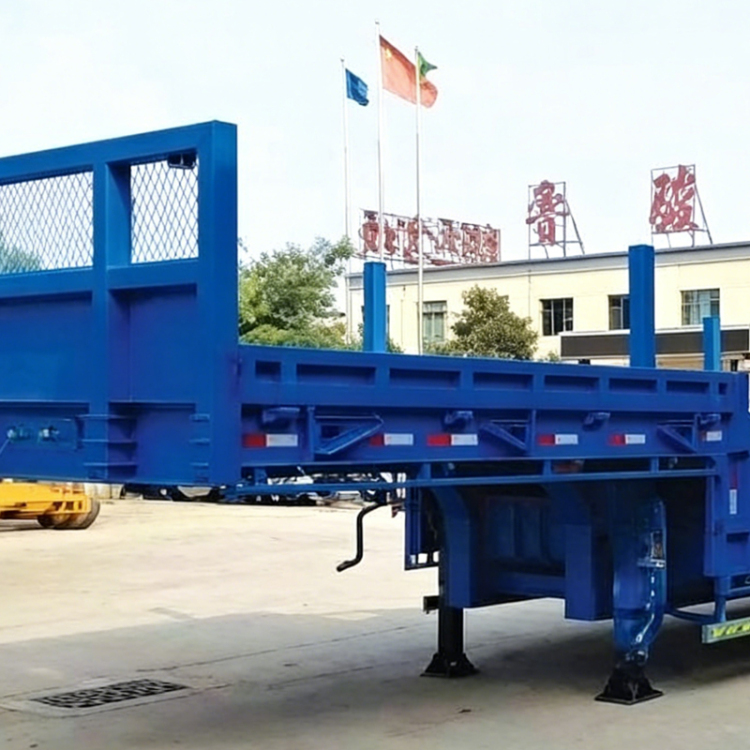
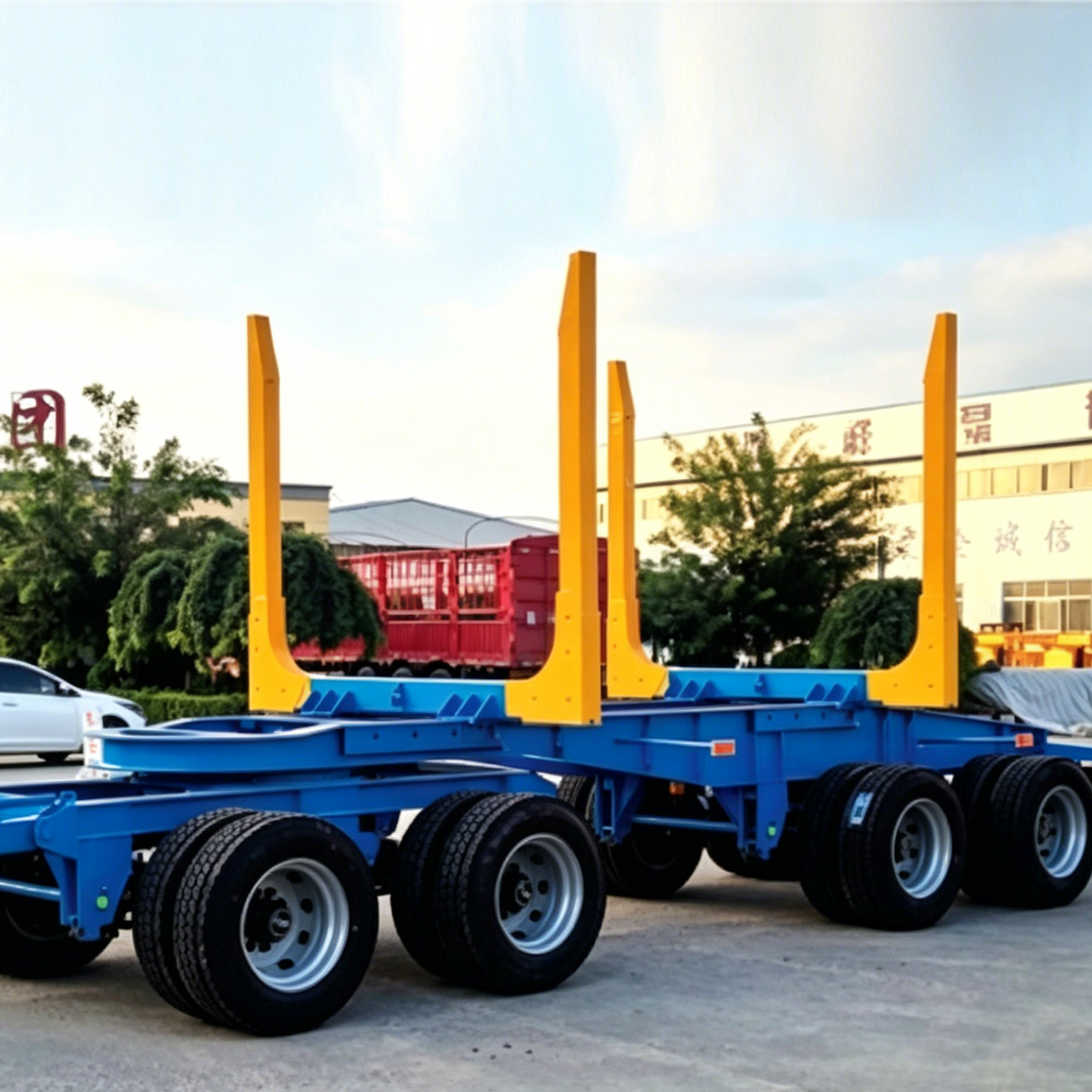
- ✅ Specialized work (logging, drilling, utilities): purpose builds — heavy duty log transport frames, chassis for directional drilling rigs, or truck-mounted hydraulic cranes. These need early configuration discussion with the supplier, not catalog ordering
The components that each profile burns fastest differ too: mining builds stress suspension and drivetrain, urban mixers wear hydraulic cylinders and PTO systems hardest, and log or crane units load chassis rails and mounting hardware. Order your heavy truck components package from your truck supplier against the actual duty profile, not a generic list.
✅ Bottom line: Start from ground conditions and cycle distance — axle count and horsepower follow from those, and the spares inventory should mirror the same duty profile.
2. Should You Buy One Versatile Truck or Several Specialized Units?
For most contractors, a small number of specialized units beats one versatile truck on both cost and uptime — versatility is usually a compromise you pay for twice. A single truck stretched across mining hauls and urban delivery will be over-built for the city and under-built for the pit, wearing out fastest precisely where margins are thinnest.
The practical decision framework:
- ✅ One dominant site type (over ~70% of work): buy fully specialized for that duty and rent for occasional off-profile jobs
- ✅ Two recurring site types: split the fleet — for example, one 8×4 mining dumper plus one 6×4 urban mixer usually costs less over five years than two "compromise" units
- ✅ Project-based contractors: standardize the whole fleet on one brand platform (for example, all-HOWO or all-Hanvan) so drivers, spare parts, and service knowledge stay interchangeable — this single decision cuts maintenance admin cost more than any purchase discount
Fleet standardization is also where sourcing gets easier: a single-brand, single-configuration fleet needs one confirmed parts channel. Conghui consolidates complete truck exports and their matching heavy truck components into the same container shipments, so a standardized fleet effectively ships with its own first-year spares warehouse attached.
✅ Bottom line: Specialize each unit for its dominant site and standardize the fleet on one brand platform — compromise configurations and mixed-brand fleets quietly cost more every year.
FAQ
Q: What construction truck configuration works best for mountain roads with 20–30% grades? A: For sustained steep grades, we recommend 460–550HP engines with inter-wheel differential locks and engine braking, typically on 6×4 or 8×4 chassis such as the XCMG G7 550HP. Send us the route grade profile and we will pre-configure the unit before it leaves the factory.
Q: How do I order spare parts matched to a specific site duty cycle? A: Share your site type, payload, and haul distance with the technical team at Shandong Liangshan Conghui Automobile Trading Co., Ltd. — we build the spares package from the failure pattern of that exact duty, covering hydraulic, brake, suspension, and drivetrain wear items with stated OEM sourcing grades.
Q: Can mixed fleets with different brands still share a parts supply channel? A: Yes, though with less depth than a single-brand fleet. We supply genuine and OEM-spec wholesale parts across HOWO, SITRAK, SHACMAN, and XCMG lines, so mixed fleets can still consolidate orders and freight through one supplier.
CTA: Get a Site-Matched Truck and Spares Plan Before You Order
Tell Conghui your site type, terrain, and target payload, and we will return a configuration recommendation plus a duty-matched first-year spares list from current stock — free and based on real fleet data.