
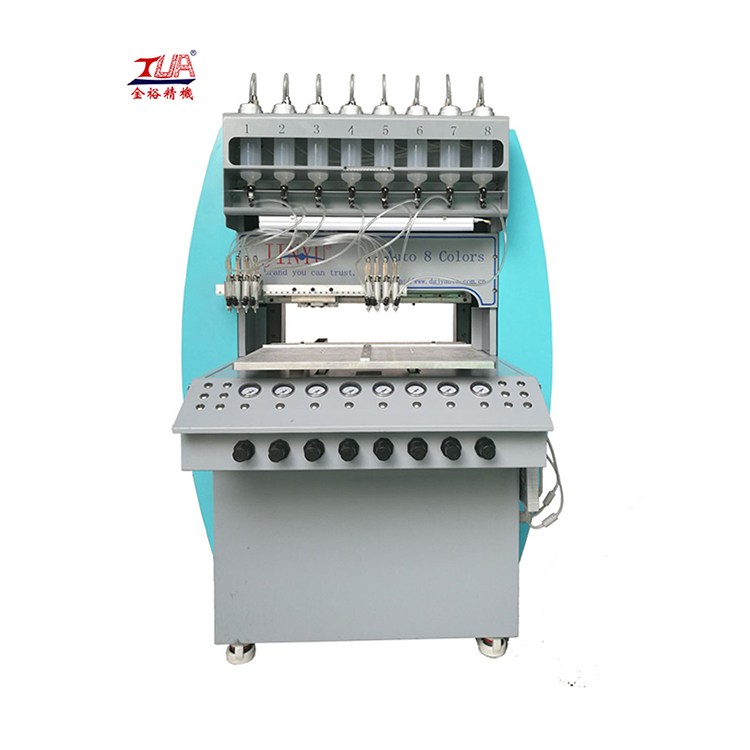
A static mixer combines two or more material components into a uniform mixture as they pass through a stationary mixing element. In a two-component silicone dispensing system, it is commonly installed between the metering unit and the dispensing outlet to mix the base material and curing agent before application. Unlike a motor-driven agitator, a static mixer has no rotating parts. Instead, its internal elements repeatedly divide, redirect, and recombine the flowing materials to improve mixing uniformity. This makes it an important component in applications where silicone mixing ratios and curing performance must be controlled.
How Does a Static Mixer Work in a Silicone Dispensing System?
A static mixer typically consists of a tube or housing containing a series of fixed mixing elements. These elements are designed to create repeated changes in the direction and distribution of material flow.
When two silicone components enter the mixer, they initially travel through separate feeding paths and are combined at the inlet. As the mixture moves through the internal elements, the flow is repeatedly divided into smaller streams and recombined.
Each mixing element changes the distribution of the material across the mixer cross-section. With multiple elements arranged in sequence, the two components become progressively more evenly distributed.
The mixing process relies on the movement and pressure generated by the dispensing system rather than an independent motor.
The number, shape, and arrangement of mixing elements influence the mixing performance and pressure drop. Therefore, the static mixer must be selected according to the silicone formulation, component ratio, viscosity, and required output.
Why Is a Static Mixer Important for Two-Component Silicone?
Many industrial silicone formulations consist of a base component and a curing component. These materials must be combined in a specified ratio to initiate the intended curing reaction.
If the components are not distributed evenly, different sections of the dispensed material may contain different proportions of the curing agent.
This can result in inconsistent curing behavior, variations in hardness, or areas that remain partially uncured.
A properly selected static mixer helps distribute the two components throughout the mixture before the silicone reaches the application surface or mold.
For manufacturers producing silicone seals, electronic potting compounds, molded parts, and industrial bonding products, mixing quality is an important factor in achieving consistent finished-product performance.
However, a static mixer cannot correct an incorrect input ratio. The metering system must first deliver the components at the specified proportions.
How Does the Static Mixer Work with a Silicone Metering Machine?
The static mixer is only one part of a complete two-component dispensing system. It works together with the metering pumps, material containers, control system, and dispensing valve.
Accurate Component Measurement
A Silicone Metering Machine measures and delivers the base material and curing agent according to a predetermined mixing ratio.
For example, a silicone formulation may require a specific mass or volume ratio between its two components. The machine must maintain this ratio throughout the dispensing cycle.
The required ratio should always follow the silicone manufacturer's technical specifications. It should not be adjusted simply to compensate for poor mixing.
Combining the Components
After measurement, the two components enter a common mixing section. Depending on the system design, they may be combined immediately before the static mixer or through a dedicated inlet assembly.
The mixer then distributes the components through its internal elements.
The design of the inlet and mixing element arrangement should prevent unnecessary dead zones where material can accumulate and begin curing.
Delivering the Mixed Silicone
After mixing, the combined silicone travels toward the dispensing valve or nozzle.
The mixed material should be applied within its specified working time. If it remains inside the mixer or delivery line for too long, the curing reaction may progress and eventually restrict material flow.
This is why static mixers are commonly treated as replaceable consumable components in many two-component dispensing applications.
What Factors Affect Static Mixer Performance?
Mixing Element Design
The geometry of the internal elements determines how the material streams are divided and recombined.
Different static mixer designs may be suitable for different viscosity ranges, mixing ratios, and flow conditions.
A mixer designed for low-viscosity materials may not provide suitable performance with a highly viscous silicone compound.
Number of Mixing Elements
Increasing the number of elements generally creates more opportunities for material redistribution. However, it also increases the resistance to flow and may require higher operating pressure.
Too few elements may result in insufficient mixing, while an unnecessarily long mixer can increase pressure loss and material retention.
The appropriate configuration should be established through material testing and the mixer manufacturer's recommendations.
Component Viscosity
The viscosity of the base material and curing agent influences how easily the two components can be distributed.
If their viscosities differ significantly, the mixing system may require particular attention to pump selection, inlet geometry, and static mixer design.
Temperature can also change material viscosity, affecting both flow resistance and mixing behavior.
Mixing Ratio
The component ratio affects how the materials enter and distribute through the mixer.
When the ratio is very uneven, the mixer must handle two streams with different flow rates. The metering equipment and mixer should therefore be selected as a compatible combination.
What Happens When a Static Mixer Is Not Working Properly?
An unsuitable or damaged static mixer can affect both mixing quality and production efficiency.
Incomplete mixing: Insufficient mixing elements, incorrect mixer selection, or unsuitable flow conditions may leave the two components unevenly distributed.
Excessive pressure drop: A mixer with too many elements or an unsuitable internal diameter may create excessive resistance, particularly when processing high-viscosity silicone.
Material accumulation: Silicone can gradually build up inside the mixer if the material begins curing before it exits the system.
Inconsistent curing: If the two components are not properly mixed, the finished product may show differences in hardness, elasticity, or curing behavior.
Material waste: Since mixed two-component silicone has a limited working time, unused material inside a mixer may need to be discarded after production stops.
Operators should inspect the mixer for blockage, check the component ratio, and verify the metering system before replacing parts or changing process settings.
How Should Manufacturers Select a Static Mixer for Silicone Dispensing?
Choosing a static mixer requires more than matching the connector size. Manufacturers should consider the complete dispensing process.
Important selection factors include:
-
Material compatibility: The mixer housing and internal elements must be compatible with the silicone formulation and curing chemistry.
-
Mixing ratio: The mixer should be suitable for the specified ratio between the base and curing components.
-
Viscosity range: Both component viscosities and their operating temperatures should be considered.
-
Flow rate: The mixer must support the required dispensing output without creating excessive pressure loss.
-
Element configuration: The number and geometry of mixing elements should provide adequate mixing for the application.
-
Working time: The mixer volume and material retention should be considered in relation to the silicone's pot life.
-
Replacement requirements: Buyers should check whether replacement mixers are readily available and easy to install.
For factories using an Automatic Silicone Dispensing Machine, the static mixer should also be compatible with the equipment's metering pumps, control settings, and dispensing valve.
How Can Manufacturers Maintain Consistent Mixing Quality?
Consistent mixing starts with accurate material measurement. Operators should regularly verify the metering system and confirm that the two components are delivered at the specified ratio.
Before production, the dispensing system should be prepared according to the material supplier's instructions. This may include purging the delivery lines and ensuring that the mixer is properly installed.
During operation, manufacturers should monitor dispensing pressure, material output, and curing results. Unexpected pressure increases may indicate material buildup or partial blockage inside the mixer.
For many two-component silicone applications, replacing the static mixer after a production interruption is preferable to allowing partially cured material to remain inside. The actual replacement interval should follow the silicone and equipment manufacturers' recommendations.
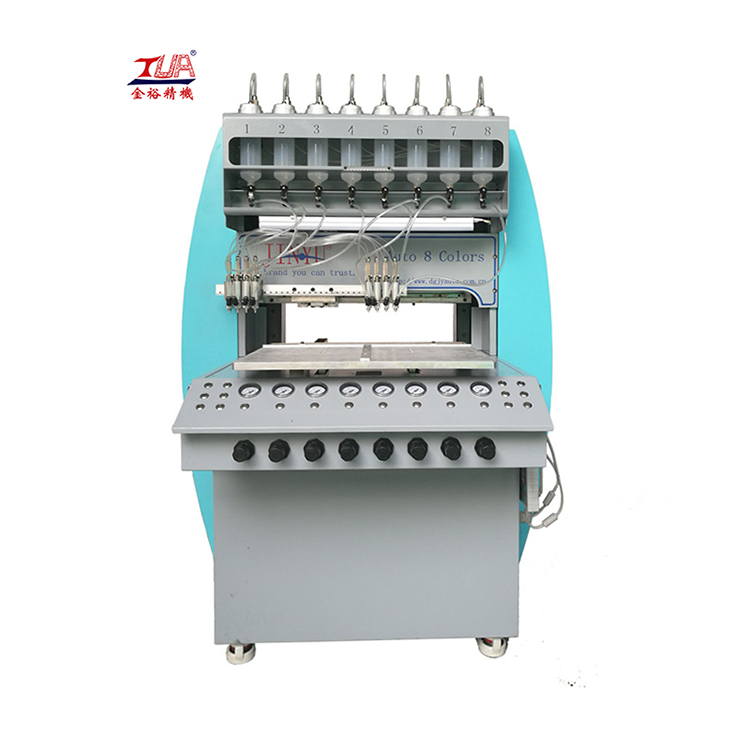
A static mixer plays a central role in two-component silicone dispensing by distributing the base material and curing agent into a uniform mixture without using rotating mechanical components.
Its performance depends on the mixing element design, number of elements, material viscosity, component ratio, and operating flow rate. When combined with an accurately configured metering system, a suitable static mixer helps manufacturers achieve more consistent silicone curing and finished-product quality.
For buyers evaluating a silicone dispensing system, it is important to assess the static mixer and metering equipment together rather than treating them as separate components.