

An embossing machine creates raised or recessed patterns on a material by applying controlled pressure through a specially designed mold or die. In garment decoration and silicone label production, it is commonly used to form logos, lettering, textures, and three-dimensional patterns with clear edges and consistent depth. Depending on the machine design and material, the process may use pressure, heat, or a combination of both.
For manufacturers producing silicone garment labels, rubber logos, textile decorations, and customized branding components, an Embossing Machine helps achieve a professional appearance while improving production consistency. Understanding what the machine does and how to operate it correctly is essential for obtaining accurate patterns and reducing production defects.
What Does an Embossing Machine Do?
An embossing machine transfers a pattern onto a material by pressing it against a mold or engraved surface. The applied force changes the material's surface shape, creating a raised design (embossing) or a recessed design (debossing).
Unlike ordinary printing, which mainly adds color or ink to a surface, embossing produces a physical change in the material's structure. This creates a tactile effect that can make logos, brand names, and decorative details more noticeable.
Creating 3D Logos and Raised Patterns
One of the main applications of an Embossing Machine is producing three-dimensional logos and patterns. In silicone label manufacturing, a mold defines the shape, dimensions, and surface details of the final design.
When the material is pressed under suitable conditions, it takes the shape of the mold cavity or surface. This allows manufacturers to produce raised lettering, recessed backgrounds, textured surfaces, and other customized visual effects.
The final result depends on several factors, including mold accuracy, material properties, pressure distribution, and processing conditions. A well-designed mold is especially important when producing small lettering or detailed brand symbols.
Improving Product Appearance and Brand Identification
Embossing adds depth and texture to products without relying entirely on printed graphics. It is widely used for clothing labels, sportswear logos, footwear components, promotional products, and customized silicone accessories.
For garment manufacturers, embossed silicone logos can provide a distinctive surface finish and help strengthen brand recognition. Different mold designs can create smooth, textured, raised, or recessed effects to match the product's design requirements.
Supporting Consistent Production
An industrial embossing machine is designed to repeat the same pressing process across multiple production cycles. By controlling factors such as pressure, temperature, pressing time, and machine positioning, manufacturers can reduce variations between finished products.
An Automatic Embossing Machine can further improve production efficiency by reducing repetitive manual operations. Depending on its configuration, it may support automatic positioning, pressing, material handling, or other coordinated production steps.
The level of automation depends on the machine model and production requirements. Semi-automatic equipment may still require operators to position materials manually, while fully automatic systems can handle more of the production cycle.
How Do I Use an Embossing Machine?
Operating an embossing machine involves more than simply placing a material under a press. The mold, material, machine settings, and positioning must all be properly prepared to achieve a clear and consistent result.
Although the exact procedure varies between machine models, the following steps provide a general operating guide for silicone logo and garment label embossing applications.
Prepare the Material and Embossing Mold
Start by checking the material to ensure it is suitable for the selected embossing process. For silicone label production, the material should meet the requirements of the molding or pressing method being used.
Next, prepare the embossing mold according to the product design. Check that the mold surface is clean and free from dust, cured silicone, scratches, or other contaminants that could affect the final pattern.
The mold must also be correctly aligned with the machine's pressing area. Incorrect positioning can cause uneven pressure, distorted logos, or inconsistent pattern depth.
Set the Machine Parameters
Before starting production, configure the machine according to the material, mold, and product specifications.
Important parameters may include:
-
Temperature: For heat-based processes, the temperature must suit the material and mold. Excessive heat may damage the material or cause surface defects.
-
Pressure: The pressing force should be sufficient to reproduce the required pattern without damaging the material or mold.
-
Pressing time: The holding time affects how completely the pattern is transferred and how the material responds to the process.
-
Positioning: The material and mold must remain correctly aligned throughout the pressing cycle.
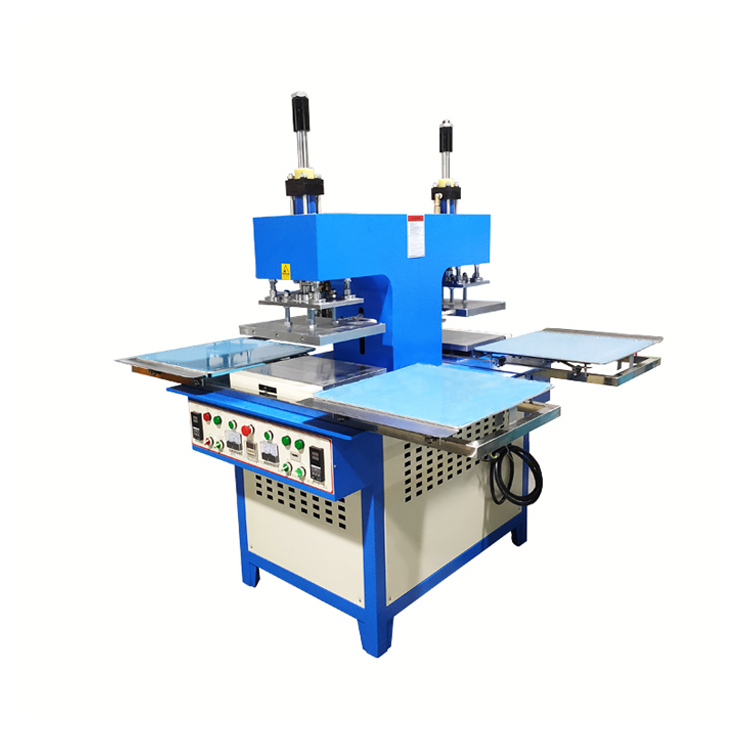
A Hot Embossing Machine uses controlled heat together with pressure to form or transfer a pattern. In contrast, a hydraulic embossing machine uses a hydraulic system to generate pressing force. Some equipment may combine heating and hydraulic pressure, but these terms describe different aspects of the machine and should not be treated as interchangeable.
Always follow the machine manufacturer's operating instructions and establish suitable parameters through material testing rather than relying on universal temperature or pressure values.
Position the Material Correctly
Place the workpiece or semi-finished product in the designated working area. Make sure the target surface is flat, clean, and correctly aligned with the mold.
For finished garments, positioning is particularly important because the fabric may wrinkle, stretch, or shift during pressing. Use the machine's positioning fixtures or guides where available to maintain a stable working position.
For silicone labels and similar components, check that the material is distributed evenly and that the mold can contact the intended area without obstruction.
Start the Embossing Cycle
Once the mold, material, and machine settings have been checked, begin the pressing cycle according to the equipment's control procedure.
On a semi-automatic machine, the operator may need to position the workpiece and activate the pressing operation manually. An automatic embossing machine can coordinate more steps through its control system, depending on its design.
During the cycle, the machine applies the required force to form the pattern. For heat-assisted embossing, the material is also exposed to the specified temperature for the required period.
Operators should keep their hands away from the pressing area and never bypass safety guards or interlocks. The machine should only be operated by trained personnel.
Inspect the Finished Product
After the pressing cycle is complete, remove the product safely and inspect the embossed area.
Check the following points:
-
Pattern clarity: Are the letters, logos, and design details clearly formed?
-
Embossing depth: Is the raised or recessed effect consistent with the sample?
-
Surface condition: Are there signs of scorching, deformation, wrinkles, or unwanted marks?
-
Position accuracy: Is the logo or pattern located in the correct position?
-
Repeatability: Do multiple products show consistent results?
If defects appear, review the mold condition, material placement, pressure, temperature, and pressing time. Adjust one parameter at a time and test again to identify the cause.
How to Choose the Right Embossing Machine for Production
The right machine depends on the material, product design, production volume, and required embossing effect.
A Hydraulic Embossing Machine is suitable for applications that require controlled pressing force. Hydraulic systems can provide substantial and stable force, making them useful for certain molding and pressing operations. However, the required force and working area should be matched to the product and mold.
A Hot Embossing Machine is appropriate when heat is part of the forming or transfer process. Temperature control is important because different materials respond differently to heat and pressure.
For manufacturers producing silicone garment labels and customized logos, an Industrial Embossing Machine should also be evaluated based on mold compatibility, working dimensions, cycle time, positioning accuracy, and ease of operation.
Production volume is another important consideration. Semi-automatic machines may be suitable for smaller batches or operations requiring frequent manual adjustments. An Automatic Embossing Machine can be a better option for higher-volume production when reducing manual handling and improving cycle consistency are priorities.
Before purchasing equipment, manufacturers should confirm the actual product application, required embossing depth, material characteristics, mold specifications, and expected daily output. Requesting a sample test with the intended material and design is a practical way to evaluate machine performance.
An embossing machine creates raised or recessed designs by applying pressure through a mold or die. It is widely used to produce 3D logos, silicone garment labels, and decorative patterns with a distinctive surface finish.
To use the machine effectively, operators need to prepare the material and mold, set suitable processing parameters, position the workpiece accurately, and inspect the finished product. Selecting the right machine configuration and maintaining consistent operating conditions are equally important for reliable production.
For manufacturers looking for an embossing solution, Jinyu provides semi-automatic, automatic, and finished-garment embossing machine options for silicone logo and garment decoration applications. The appropriate configuration can be selected according to product design, production volume, and processing requirements.