This guide covers the sizing calculation, the water balance, and the five layout mistakes that quietly cost operators six figures a year.
1. How Do You Size a Vibrating Screen for a Sand and Gravel Wash Plant?
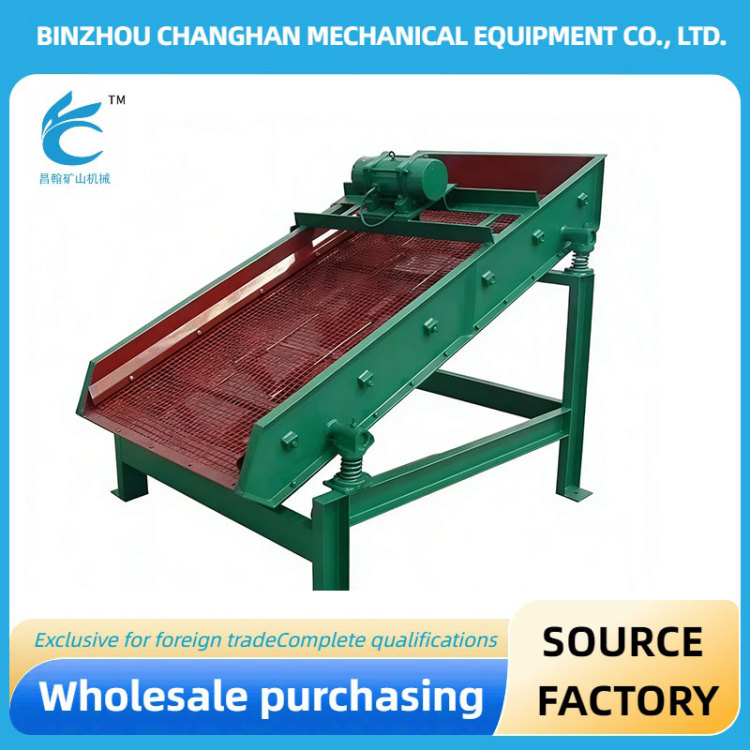
Size the deck area from tons per hour per square metre of actual screening surface, then add 15–20% headroom — do not copy the washer's nameplate capacity. Specific capacity varies enormously with moisture and cut size, which is why two plants with the same 120 t/h target end up with very different machines.
Working capacity figures for common duties:
|
Duty |
Specific Capacity |
Water Demand |
Notes |
|
Dry aggregate sizing (0–40 mm) |
8–15 t/h per m² |
None |
Drops to 5–7 t/h/m² above 5% moisture |
|
Wet dewatering (sand, 0–5 mm) |
3–6 t/h per m² |
1.5–3 m³ per ton |
Polyurethane panels essential |
|
Fine sand recovery with cyclone |
4–8 t/h per m² |
Recirculated |
Recovers 10–20% of feed as saleable sand |
|
High-mud feed through trommel |
5–10 t/h per m² |
2–4 m³ per ton |
Mud-to-stone separator recommended upstream |
The calculation is straightforward:
- Required deck area (m²) = design throughput ÷ specific capacity × 1.2
- Example: 120 t/h of wet 0–5 mm sand at 5 t/h/m² → 24 m² → a 2.4 × 6 m double-deck unit (28.8 m²) fits with headroom.
- If the same plant runs dry aggregate at 12 t/h/m², the same 2.4 × 6 m machine handles 170 t/h — which is why duty defines the machine, not tonnage alone.
Two non-obvious rules save real money. First, wet screening consumes roughly 1.5–3 m³ of water per ton of feed; a plant without a closed water circuit will either run short in summer or discharge fines to the pond. Second, feed that is not distributed evenly across the full deck width loses 15–25% of effective capacity — a $400 feed box or a properly angled chute is worth more than an extra 2 m² of deck.
Changhan sizes each unit against the customer's actual gradation and moisture data rather than catalog tonnage, because a screen that is 20% undersized never recovers that capacity later. The same rule applies to every piece of industrial equipment in the line — a washer rated on clean feed will also fall short on real material.
✅ Bottom line: Calculate deck area from t/h per m² for your specific duty, then add 20% headroom — undersized screens lose a quarter of their capacity in the first wet season.
2. Which Layout Mistakes Cost Wash Plants the Most Money?
Five layout decisions account for most of the money wash plants lose: no fines recovery, an undersized screen, a single-deck where two are needed, poor feed distribution, and no mud handling upstream. Each one is cheap to fix at the design stage and expensive to fix later.
- Skipping the fines recovery unit. Sand below 0.5 mm washes straight to the pond — typically 10–20% of feed. On a 120 t/h plant at $12/t, that is $250,000–500,000 of saleable product lost per year. A dewatering and recovery unit pays for itself in under a quarter.
- Sizing the screen to the washer. Washers are rated on clean feed; real feed is not clean. Always size the screen above the washer's rating.
- Single-deck screens for two-product plants. A second deck costs 12–20% more than a single-deck machine and eliminates a whole conveyor and re-handling step.
- Feeding at one point. Material piles in the centre of the deck, wearing panels unevenly and halving effective area. Use a feed box, a distribution plate, or a wider chute.
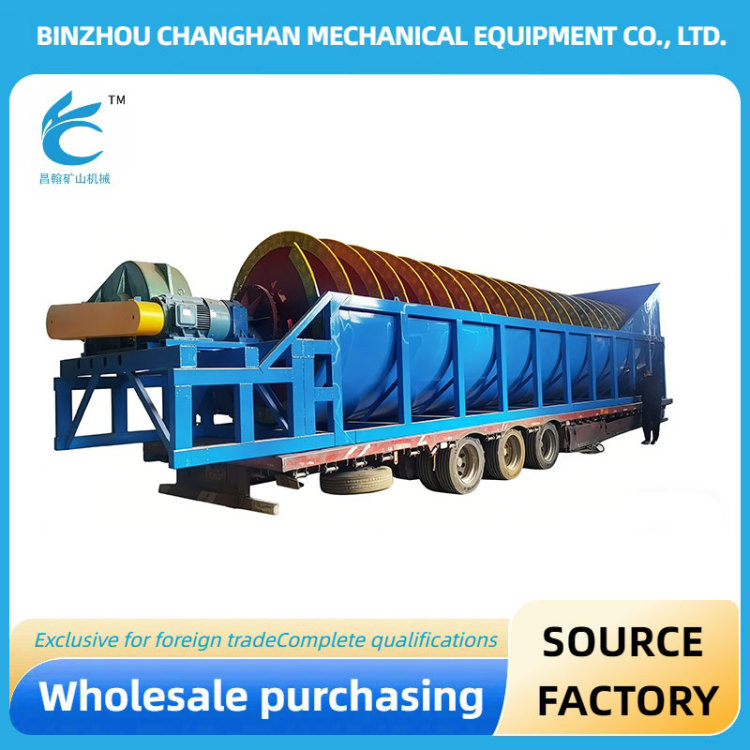
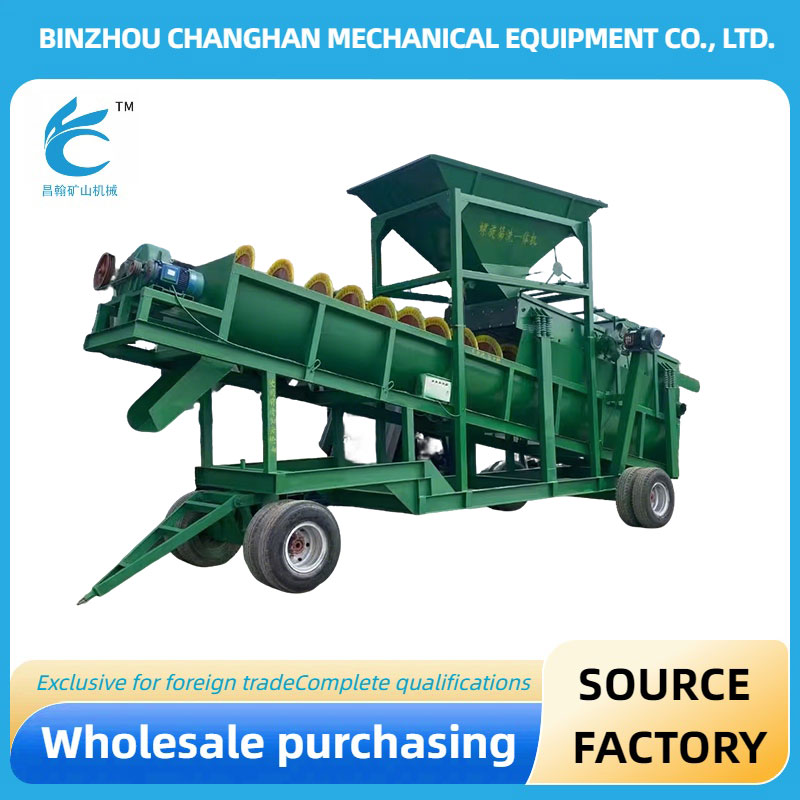
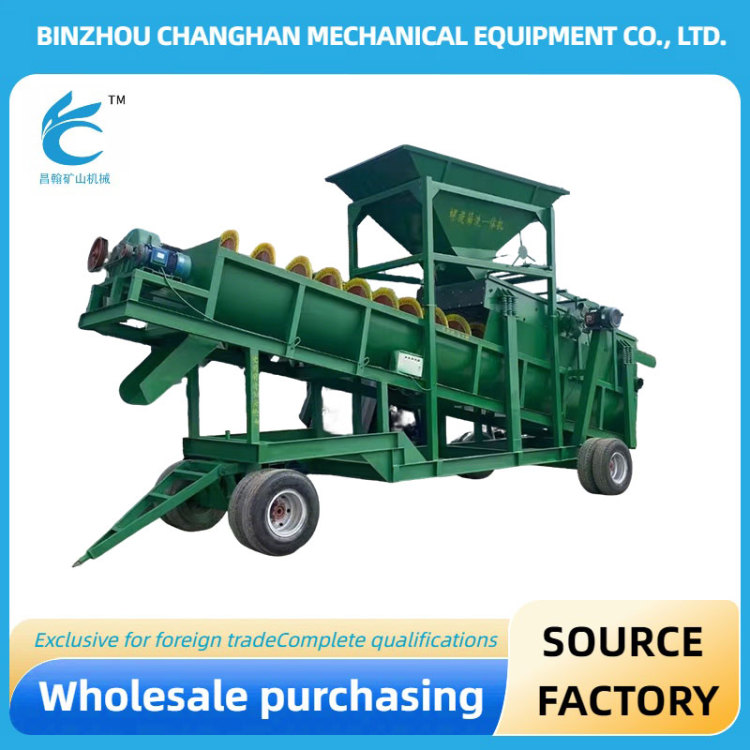
- No mud-stone separator on high-mud feed. When the mud-to-stone ratio exceeds 1:3, sticky oversize blinds the deck within hours. A rotary trommel or mud and stone separator upstream converts an unmanageable feed into a saleable aggregate stream.
The equipment choice compounds these decisions. Buying industrial equipment as one matched package from a single supplier usually beats assembling a line from four vendors — responsibility for capacity balance then sits with one party instead of four. High-performance screens with variable-frequency drives let operators reduce amplitude for fragile material and increase it for sticky feed, which is often the difference between a plant that runs all season and one that stops every rainy week. Likewise, durable vibrating screens with stress-relieved frames and rubber-isolated spring sets keep the supporting steelwork intact — cracked structures from unchecked vibration are among the most expensive repairs in a wash plant.
As a manufacturer of this full equipment set — screens, washers, mud-stone separators, and cyclones — Changhan designs the line as a sequence rather than a shopping list, so each machine's capacity matches the next one's.
✅ Bottom line: Add fines recovery, oversize the screen slightly, feed across the full deck width, and handle mud upstream — those four moves protect most of a wash plant's margin.
FAQ
Q: How much water does a sand and gravel wash plant use per ton?
A: Typically 1.5–3 m³ per ton of feed for wet screening and sand washing, rising to 3–4 m³ on high-mud material. A closed circuit with a settling pond or filter press cuts make-up water to 10–20% of that figure, which matters both for cost and for discharge permits.
Q: Can a vibrating screen handle feed with high mud content?
A: Not directly — sticky feed blinds conventional decks. The standard solution is a rotary trommel or mud and stone separator ahead of the screen to break up and wash the oversize, followed by durable vibrating screens in linear dewatering duty for the fines. This sequence is what makes high-mud deposits economically workable.
Q: Can you supply a complete wash plant rather than just the screen?
A: Yes. Changhan supplies complete lines — feeder, trommel or mud-stone separator, sand washer, dewatering screen, fines recovery unit, and conveyors — as a single factory-direct package with matched capacities and high-performance screens on every dewatering stage. Binzhou Changhan Machinery Equipment Co., Ltd. also offers OEM/ODM and custom layout design for specific deposit conditions.
CTA: Send Your Gradation Data, Get a Matched Plant Layout
Changhan will size your screening and washing line against real feed data — gradation, moisture, mud ratio, and target products — and return a plant layout with capacity balance, water demand, and equipment list. Free for qualifying projects, with factory-direct pricing and 3–6 week lead times on standard units.
Contact Binzhou Changhan Machinery Equipment Co., Ltd. for a wash plant layout, OEM equipment, or a single high-capacity screen quotation.