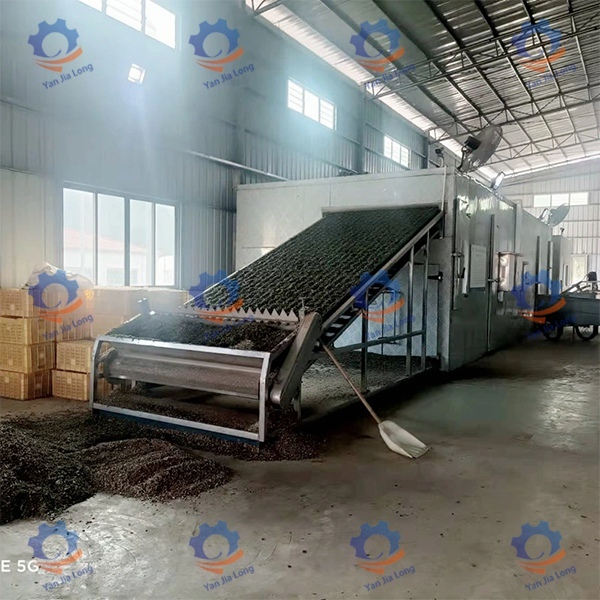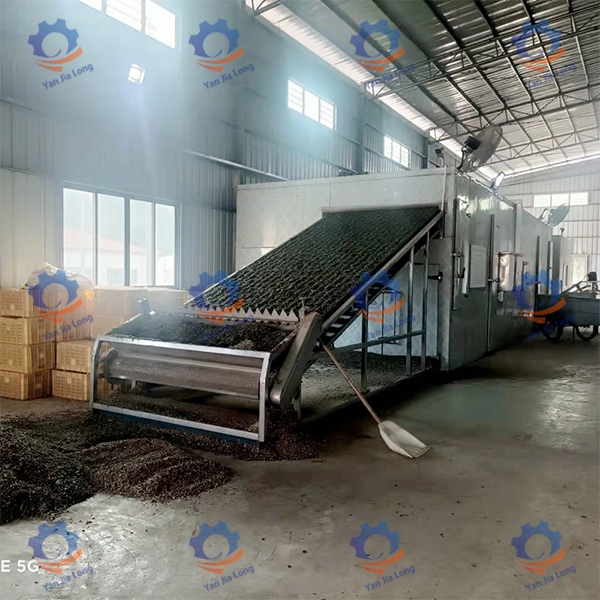
A Belt Dryer Machine is a continuous drying system designed to handle various materials across multiple industries. Unlike batch dryers, this equipment moves products through a heated chamber on a conveyor belt, allowing for consistent moisture removal and steady throughput.
The core mechanism involves spreading wet material onto a perforated belt. Hot air circulates through the material layer, evaporating moisture as the belt travels through different temperature zones. Operators can adjust belt speed, air temperature, and airflow direction to match specific drying requirements. This flexibility makes the Versatile Belt Dryer Machine for Diverse Industrial Needs suitable for processing granules, flakes, fibers, and extruded products.
In food processing, these machines dehydrate vegetables, fruits, and herbs while preserving nutritional content and color. The chemical industry uses them for drying catalysts, pigments, and polymer pellets. Pharmaceutical applications require precise temperature control, which modern belt dryers provide through segmented heating zones and automated monitoring systems. Textile manufacturers also rely on this equipment for drying synthetic fibers and non-woven fabrics without damaging material structure.
Technical specifications vary by model. Standard units feature stainless steel belts, modular heating sections, and integrated cooling zones. Energy recovery systems capture exhaust heat to preheat incoming air, reducing overall consumption. Some configurations include washing stations for belt cleaning between product changes, minimizing cross-contamination risks.
Maintenance considerations include regular belt tension checks, filter replacement, and inspection of heating elements. Proper upkeep ensures uniform drying performance and extends equipment lifespan. When selecting a Robust Belt Dryer Machine for Biomass Fuel, engineers evaluate material characteristics, required capacity, available floor space, and utility connections to determine the appropriate configuration for their production line.