
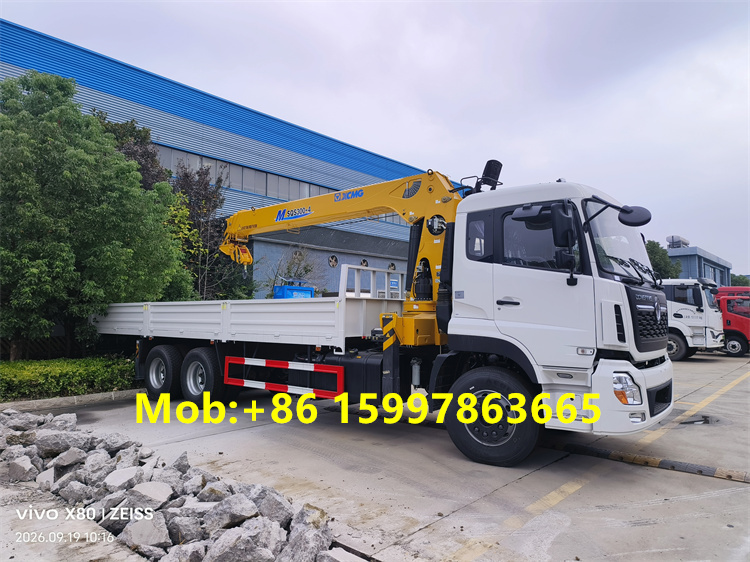
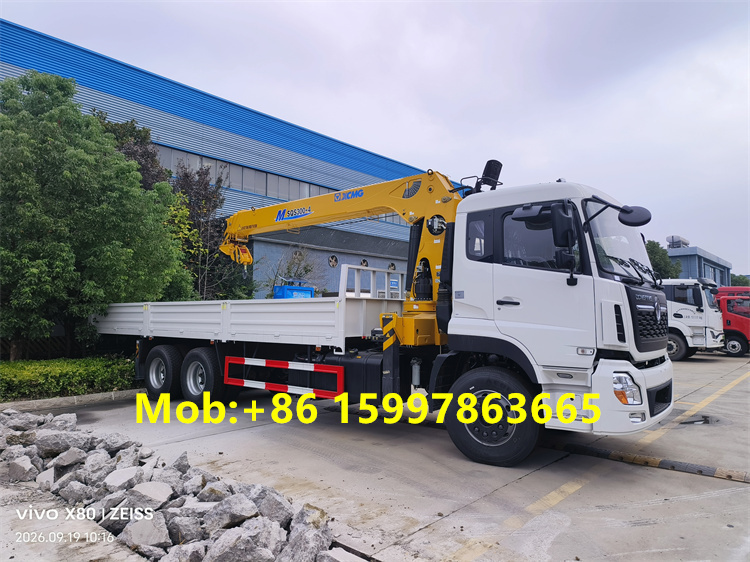
Truck crane design demands meticulous adherence to established codes and regulations, ensuring structural integrity, operational safety, and global market compliance. These standards govern everything from chassis reinforcement to boom load capacities, enabling manufacturers to produce reliable machines like 8-ton models with 13m outreach and 360-degree rotation. Professional engineering integrates these frameworks to mitigate risks and optimize performance across diverse applications.
International Design Standards
ASME B30.5 serves as the cornerstone for mobile hydraulic cranes, specifying design factors such as 1.25x static overload testing, stability criteria, and wire rope safety factors exceeding 3.5:1. These standard mandates rigorous calculations for tipping moments, particularly relevant for outrigger deployments spanning 4.2m on 4x2 chassis configurations.
ISO 8686 series provide methodologies for load combinations, including wind, seismic, and dynamic effects, while EN 13000 outlines specific requirements for truck-mounted cranes, emphasizing hydraulic system pressures up to 20MPa and proportional control valves. OSHA regulations under 29 CFR 1926.1400 further enforce operational limits, operator certification, and pre-lift inspections.
China National Regulations
Chinese manufacturers align with GB/T 3811 for general crane design principles, GB 6067.1 for hoisting safety, and GB/T 3812 for proof-testing protocols—essential for components like 190HP engines, 160L hydraulic tanks, and 50L/min pumps. The Special Equipment Safety Law (TSE) and TSG Q0001 require biennial inspections by authorized bodies, covering pressure vessels and structural welds.
These codes ensure export-ready compliance, harmonizing with CE marking under EU Machinery Directive 2006/42/EC, which demands risk assessments, emergency stop systems, and fatigue analysis for over 10,000 cycles.
Structural and Component-Specific Rules
Truck crane boom design follows high-tensile steel specifications per IS 800 or equivalent, with finite element analysis verifying buckling resistance under 12 ton-m moments. Outriggers must support 18 tons per leg, incorporating auto-levelling sensors and ground-bearing pressure limits. Load moment indicators (LMI) integrate real-time data on radius, angle, and auxiliary loads, enforcing 75% capacity thresholds.
Wire ropes adhere to GB/T 8918 standards, featuring 6x37 constructions with minimum breaking strengths calibrated to rated capacities tapering from 12 tons at short radii to 2 tons extended.
Operational and Certification Protocols
Operator cabins incorporate ROPS/FOPS per ISO 12117 for rollover protection, alongside intuitive controls and CAN-bus diagnostics. Annual third-party verifications simulate dynamic loads at 1.1x ratings, documenting compliance for liability and insurance purposes.
Strategic Compliance Benefits
Adhering to these codes not only satisfies regulatory mandates but enhances resale value, reduces downtime, and fosters operator confidence. Dual-certification—GB for domestic rigor and ASME/ISO for international acceptance—positions truck cranes as versatile assets for infrastructure projects worldwide.
International Design Standards
ASME B30.5 serves as the cornerstone for mobile hydraulic cranes, specifying design factors such as 1.25x static overload testing, stability criteria, and wire rope safety factors exceeding 3.5:1. These standard mandates rigorous calculations for tipping moments, particularly relevant for outrigger deployments spanning 4.2m on 4x2 chassis configurations.
ISO 8686 series provide methodologies for load combinations, including wind, seismic, and dynamic effects, while EN 13000 outlines specific requirements for truck-mounted cranes, emphasizing hydraulic system pressures up to 20MPa and proportional control valves. OSHA regulations under 29 CFR 1926.1400 further enforce operational limits, operator certification, and pre-lift inspections.
China National Regulations
Chinese manufacturers align with GB/T 3811 for general crane design principles, GB 6067.1 for hoisting safety, and GB/T 3812 for proof-testing protocols—essential for components like 190HP engines, 160L hydraulic tanks, and 50L/min pumps. The Special Equipment Safety Law (TSE) and TSG Q0001 require biennial inspections by authorized bodies, covering pressure vessels and structural welds.
These codes ensure export-ready compliance, harmonizing with CE marking under EU Machinery Directive 2006/42/EC, which demands risk assessments, emergency stop systems, and fatigue analysis for over 10,000 cycles.
Structural and Component-Specific Rules
Truck crane boom design follows high-tensile steel specifications per IS 800 or equivalent, with finite element analysis verifying buckling resistance under 12 ton-m moments. Outriggers must support 18 tons per leg, incorporating auto-levelling sensors and ground-bearing pressure limits. Load moment indicators (LMI) integrate real-time data on radius, angle, and auxiliary loads, enforcing 75% capacity thresholds.
Wire ropes adhere to GB/T 8918 standards, featuring 6x37 constructions with minimum breaking strengths calibrated to rated capacities tapering from 12 tons at short radii to 2 tons extended.
Operational and Certification Protocols
Operator cabins incorporate ROPS/FOPS per ISO 12117 for rollover protection, alongside intuitive controls and CAN-bus diagnostics. Annual third-party verifications simulate dynamic loads at 1.1x ratings, documenting compliance for liability and insurance purposes.
Strategic Compliance Benefits
Adhering to these codes not only satisfies regulatory mandates but enhances resale value, reduces downtime, and fosters operator confidence. Dual-certification—GB for domestic rigor and ASME/ISO for international acceptance—positions truck cranes as versatile assets for infrastructure projects worldwide.