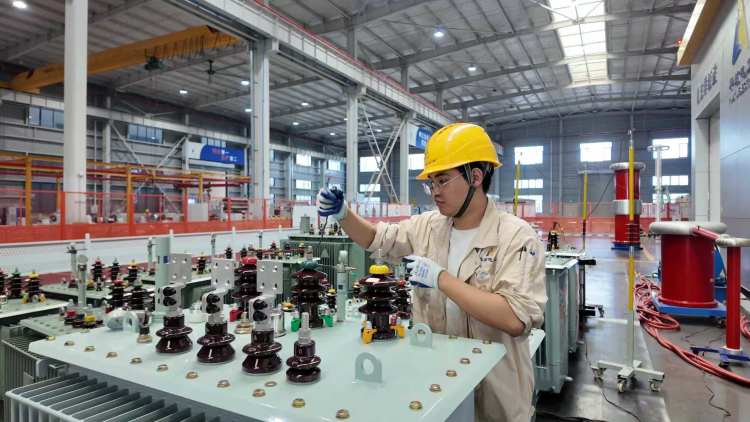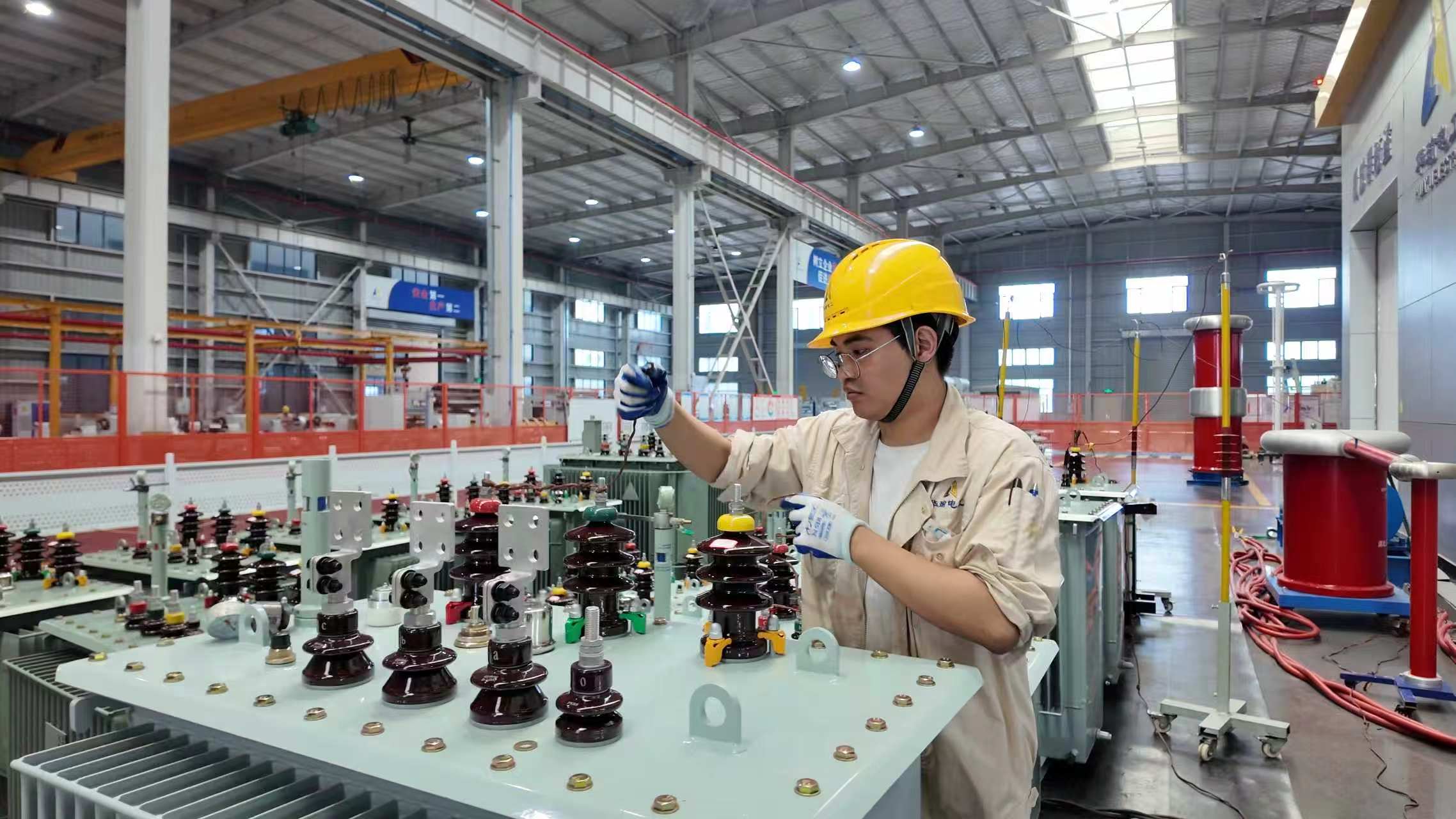
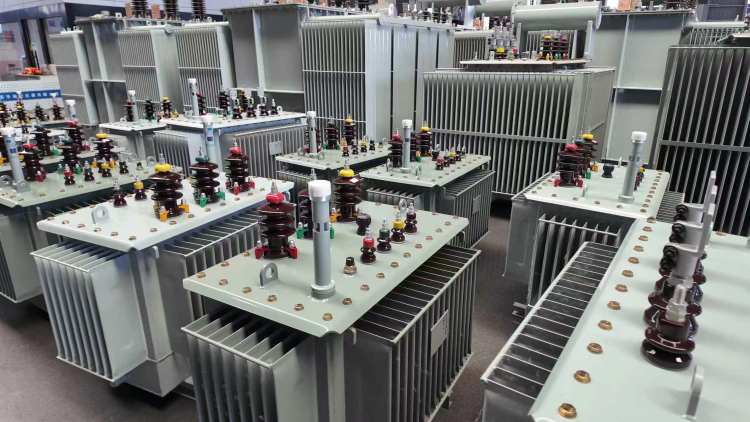
Drying runs inside a sealed vessel with automatic control of temperature and pressure. A core that has passed assembly and first inspection goes in and is warmed evenly and slowly to avoid thermal shock, so bound water inside thick pressboard and winding paper migrates outward. A rough pump down takes the free surface water first, then a deep vacuum hold follows, where the boiling point falls far enough to draw out water that plain heating cannot reach. Temperature, vacuum level, duration and moisture are logged live, one record per unit, and every record is traceable.
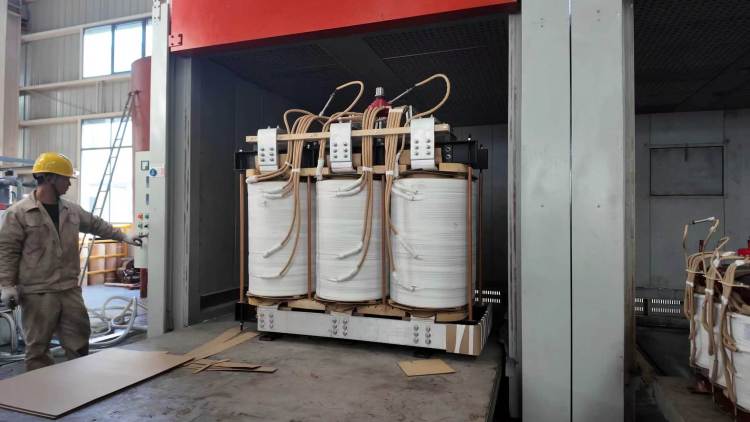
The pass criteria are strict. Moisture has to come within limit and comply with IEC before the cycle ends, and the schedule is never shortened to save time. A passed core moves to oil filling under moisture controlled conditions so it does not take water back in. The curve shifts with rating, voltage class and site: coastal humidity, high altitude and severe cold each get an extended deep vacuum hold that brings residual moisture lower.
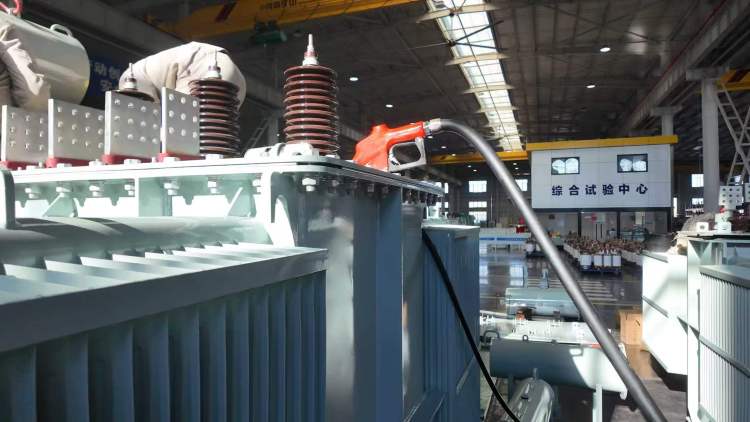
For overseas EPC contractors, power distributors and grid operators, how a unit behaves in service counts for more than the nameplate. The technical lead points out that buyers watch rating and voltage and overlook what drying does to the life of an oil transformer. Every export unit follows the same traceable standard, with no shortcuts on a step nobody sees. The company builds oil immersed and dry type transformers plus related power equipment to IEC and ISO, supports third party inspection, and keeps refining its insulation process.