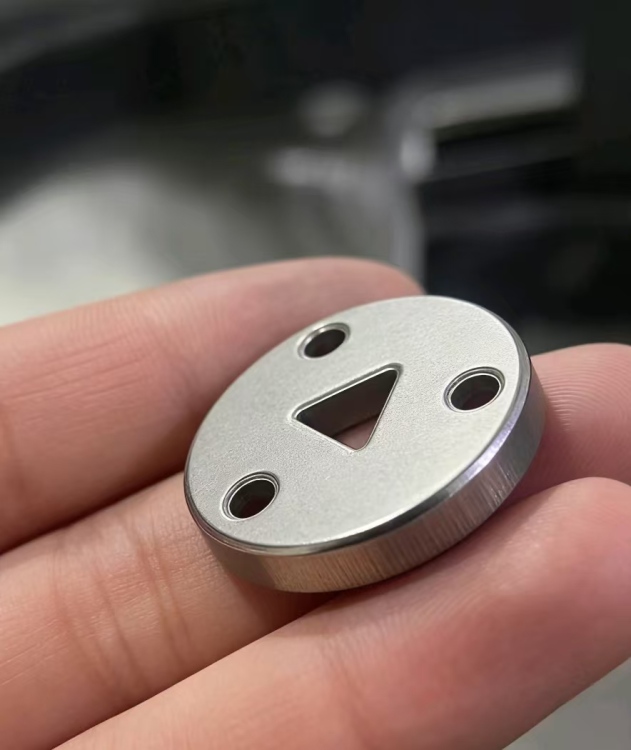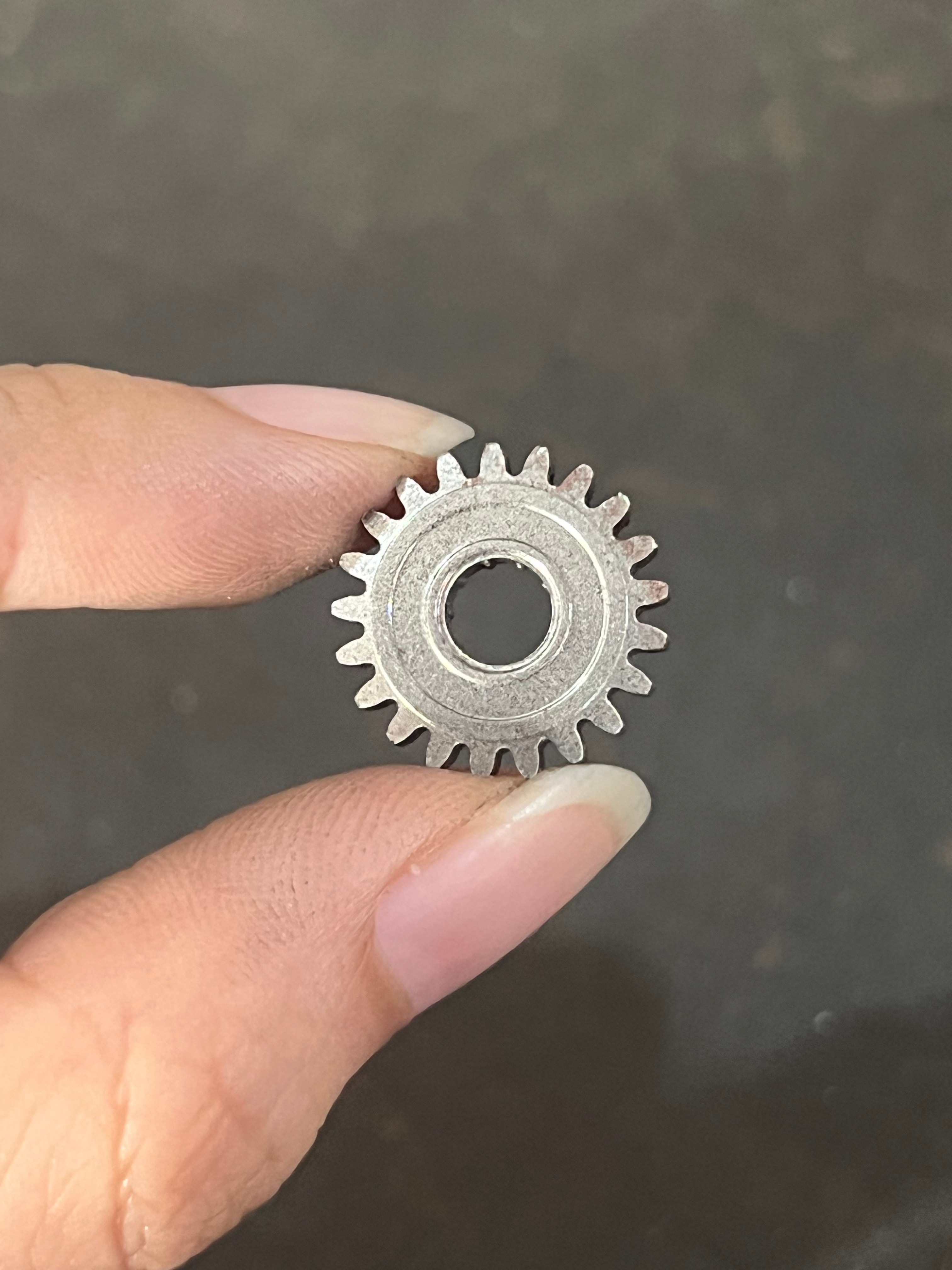
In the realm of fluid dynamics and mechanical engineering, the oil pump gear stands as a fundamental component responsible for ensuring the reliable transfer of lubricants and hydraulic fluids. These specialized gears are not merely simple mechanical parts; they are precision-engineered systems designed to withstand extreme pressures, high temperatures, and continuous operational stress. Understanding their manufacturing process and inherent advantages is essential for appreciating their vital role in maintaining machinery efficiency and longevity.
The production of high-quality oil pump gears is a meticulous process that begins with the selection of premium materials. Typically, alloy steels or hardened stainless steels are chosen for their superior tensile strength and resistance to wear. The initial stage involves precise cutting and shaping of the raw material using advanced CNC (Computer Numerical Control) machining centers. This ensures that the basic geometry of the gear teeth meets strict dimensional tolerances. Following rough machining, the gears undergo heat treatment processes, such as carburizing or induction hardening. This critical step enhances the surface hardness of the gear teeth while maintaining a tough core, thereby preventing deformation under load and significantly extending service life.
Post-heat treatment, the gears enter the finishing phase, where grinding and lapping techniques are employed to achieve ultra-smooth surfaces and exact tooth profiles. This level of precision minimizes friction and noise during operation, which is crucial for reducing energy consumption and preventing premature failure.
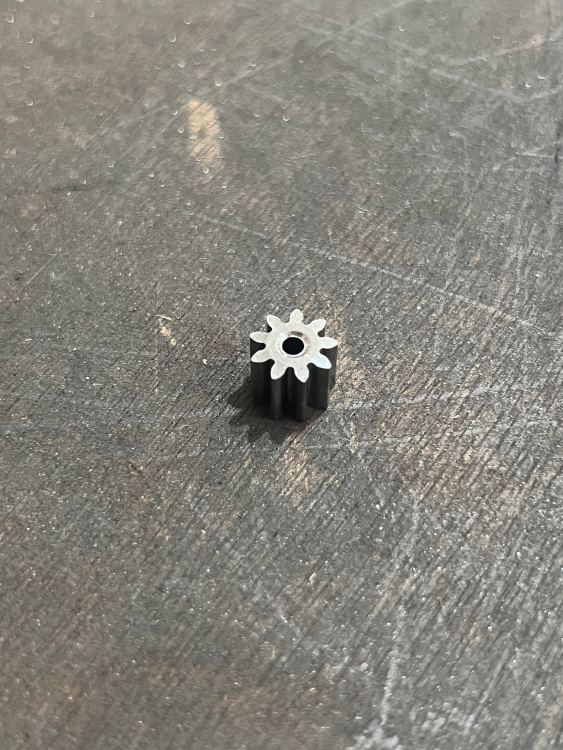
Quality control measures, including coordinate measuring machine (CMM) inspections and non-destructive testing, are rigorously applied at every stage to ensure that each gear conforms to international standards such as ISO or DIN specifications. The advantages of utilizing high-grade oil pump gears are manifold. Primarily, their robust design ensures consistent volumetric efficiency, meaning they can maintain steady flow rates even under varying pressure conditions. This reliability is indispensable in applications ranging from automotive engines to heavy-duty industrial machinery, where fluid delivery must be uninterrupted. Furthermore, the precision manufacturing process results in reduced internal leakage and lower power loss, contributing to overall system efficiency. Another significant advantage is durability.
The combination of superior materials and advanced heat treatment allows these gears to resist pitting, scuffing, and fatigue. Consequently, maintenance intervals are extended, and downtime is minimized, leading to substantial cost savings for operators. Additionally, modern oil pump gears are often designed with optimized tooth profiles that reduce noise pollution, making them suitable for environments where acoustic comfort is a priority. In conclusion, the production of oil pump gears represents a synthesis of material science, precision machining, and rigorous quality assurance. Their advantages—ranging from enhanced efficiency and durability to reduced maintenance costs—make them indispensable in contemporary industrial operations.
As technology advances, ongoing innovations in gear design and manufacturing will continue to elevate performance standards, ensuring that oil pump gears remain at the forefront of mechanical engineering solutions. By prioritizing precision in production, manufacturers can deliver components that not only meet current demands but also anticipate future challenges in fluid power systems.