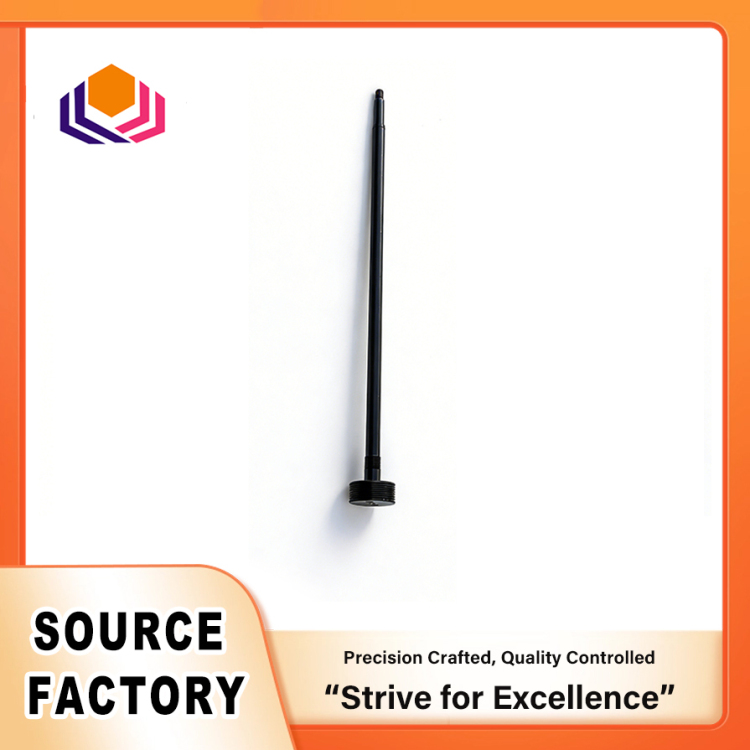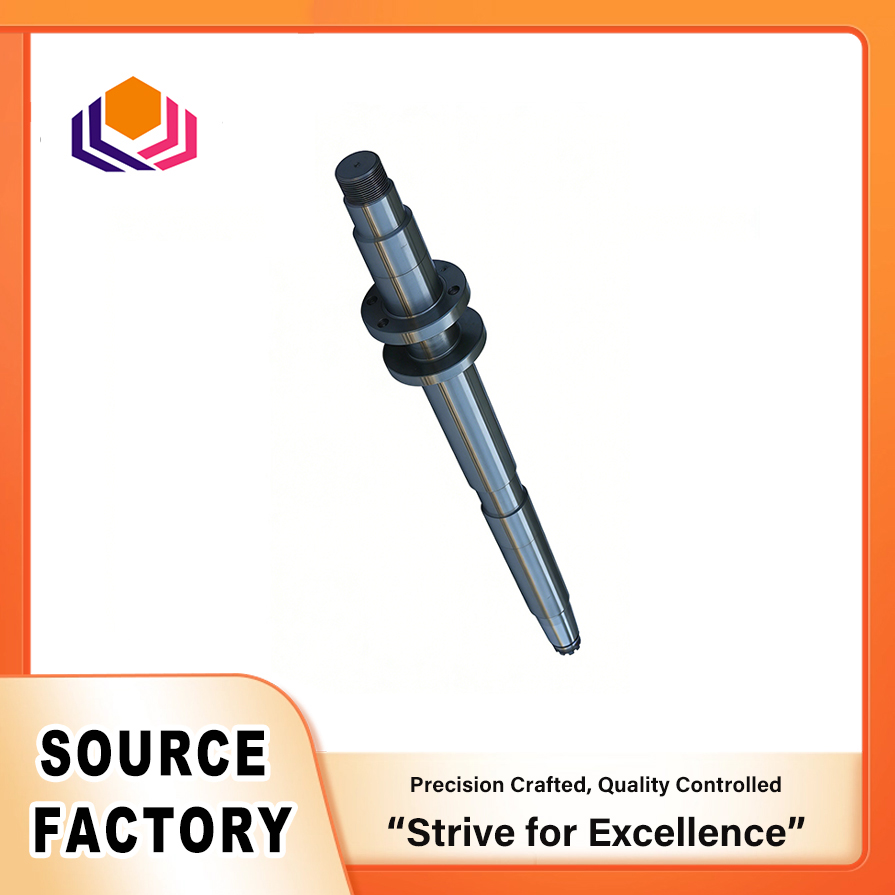
XINQIU (Hefei Xinqiu Machinery Co., Ltd.) has supplied OEM shafts to automotive, automation and heavy machinery buyers since 2003, and we have inherited enough failed parts from low-bid suppliers to know exactly where the money leaks. This guide covers both sides: auditing the factory and auditing the price.
1. What Should a High Precision Shaft Supplier Audit Actually Cover?
A credible audit covers five areas — equipment reality, process control, measurement, traceability and communication — and each can be verified remotely in under an hour. You are not looking for certificates on a wall; you are looking for evidence the factory controls the two operations that decide shaft quality: grinding and heat treatment.
- ✅ Equipment list, verified. Ask for photos or a video walk-through showing cylindrical grinding machines and CMM on site. Turning alone cannot hold IT5 fits or Ra 0.4 µm on bearing seats — if grinding is "arranged locally," your shafts get re-clamped at a third party and concentricity becomes someone else's guess.
- ✅ In-process measurement, not final-only. Ask specifically: "How is runout controlled between roughing and finishing?" A supplier who checks final diameter only discovers a 0.03 mm runout after all machining hours are spent — and quotes rework at your expense.
- ✅ Heat-treatment documentation. For any wear-critical journal, request hardness test records and case-depth reports per batch. Mill certificates matter too if your shaft enters automotive or regulated equipment.
- ✅ Batch inspection reports. CMM reports on critical diameters, runout and straightness should ship with every batch — the same documents your incoming inspection will demand.
- ✅ Responsiveness under a technical question. Send one ambiguous drawing note before quoting. A serious OEM factory asks for clarification; a weak one assumes and bills you later.
A High Precision Shaft supplier who passes these five checks will rarely be the cheapest quote — and will rarely cause an unplanned line stop either.
✅ Bottom line: Audit for in-house grinding, in-process runout control, heat-treatment records and CMM batch reporting — these four evidence points separate real shaft factories from trading companies with a price list.
2. How Much Does a Wear Resistant Shaft Really Cost — and Where Do Hidden Fees Hide?
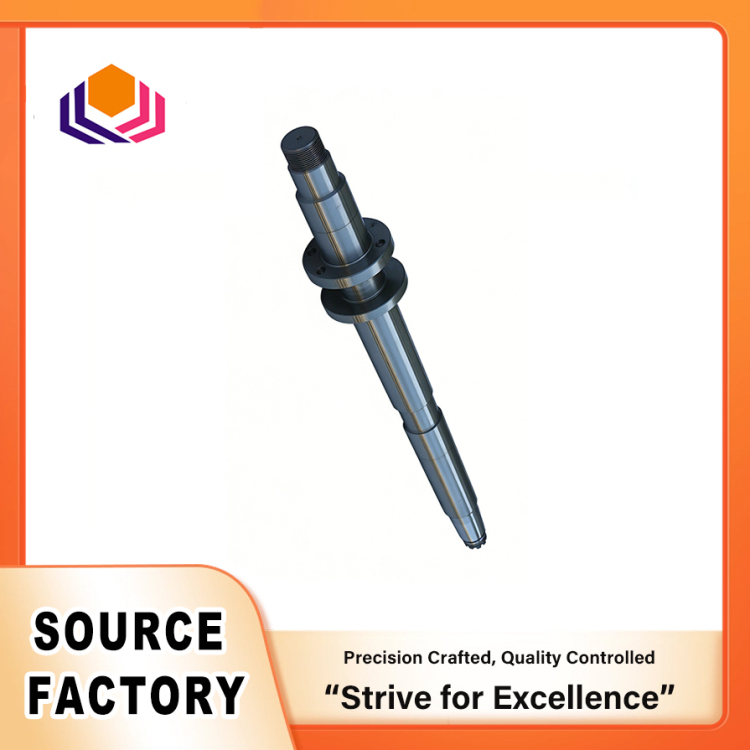
A properly engineered wear resistant shaft breaks down roughly into 30–40% material and heat treatment, 40–50% machining and grinding, and 10–20% inspection and logistics — and hidden fees cluster wherever a supplier's capability ends. Knowing the shape of the cost makes abnormal quotes obvious in seconds.
Typical cost structure for a hardened, ground transmission shaft (batch order, China OEM factory):
- Material: 20–30% — 42CrMo or 20CrMnTi bar stock; certificates add little cost, skip them at your peril
- Turning + milling: 25–35% — geometry, steps, keyways and threads
- Heat treatment: 10–20% — induction hardening, carburizing or nitriding with case-depth control
- Cylindrical grinding: 15–25% — the line that decides bearing life; usually the first thing cut from a low bid
- Inspection + packaging + freight: 10–15% — CMM reporting, anti-rust packing, sea or air freight
Where hidden fees hide:
- ❌ Outsourced grinding billed as "included," then added as a tooling or coordination charge
- ❌ Heat treatment quoted separately after the order — a classic low-bid-then-upgrade pattern
- ❌ Re-inspection after a third-party process, since re-clamping shifts concentricity
- ❌ Packaging that ignores 2-meter shafts — bent-on-arrival parts that freight claims will not cover
A wear resistant shaft quoted 20% below the field average is not a bargain; it is a bill deferred to your maintenance team. When in doubt, ask the supplier to itemize the quote into the five lines above — legitimate factories do it in an hour, and the exercise itself is a free audit of who you are dealing with.
✅ Bottom line: Demand an itemized quote — material, machining, heat treatment, grinding, inspection — and treat any supplier who resists itemizing as the hidden fee.
FAQ
Q: What documents should I require with each shaft shipment from China? A: At minimum: material certificate, heat-treatment/hardness records, CMM inspection report on critical dimensions, and packaging photos for long shafts. XINQIU includes all four with every batch as standard.
Q: Is it risky to source wear-critical shafts from a Chinese factory instead of a local machine shop? A: Not if the factory passes the audit checklist above. In-house grinding and heat-treatment traceability matter more than geography — a local shop without grinding capability delivers worse bearing journals than a China OEM factory with full in-house process control.
Q: Can you handle OEM/ODM custom shafts directly from our drawings? A: Yes. Send the drawing with critical dimensions and material grade marked; our engineers review fit surfaces and tolerance notes, then return a factory-direct quote within 48 hours, MOQ from 1 piece.
CTA: Audit Us Before You Buy
Request our free supplier information pack — equipment list with photos, sample CMM report, sample heat-treatment record and an itemized quote template — from Hefei Xinqiu Machinery Co., Ltd. Then send your drawing for a factory-direct quotation on custom wear resistant shaft designs within 48 hours. Our available Shaft Types cover a full range of Precision Shaft Types, and all High Precision Shaft manufacturing is completed under one roof. From prototype to wholesale production, XINQIU machines, grinds and inspects every High Precision Shaft in-house at our Hefei, China facility. Contact us for OEM/ODM solutions built to your print.