For coarse drawing (thick wires and large reductions), Tungsten Carbide Dies are the workhorse. They offer excellent toughness and impact resistance at a low upfront cost. However, if you use carbide for fine drawing, it wears out quickly, and your wire diameter will drift out of tolerance.
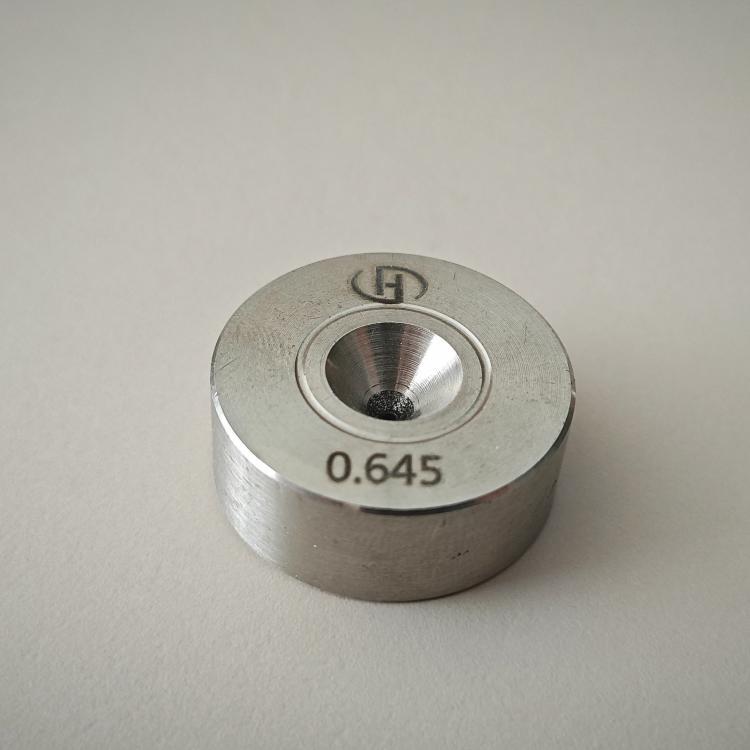
For intermediate and fine drawing, PCD Wire Drawing Dies are the sweet spot. Polycrystalline diamond is extremely wear-resistant—lasting 30 to 50 times longer than carbide. For standard copper and aluminum wires, they offer the best cost per ton. But PCD is polycrystalline; it has microscopic grain boundaries. If you push it into ultrafine wire sizes, those grain boundaries will show up as micro-scratches on the wire surface.
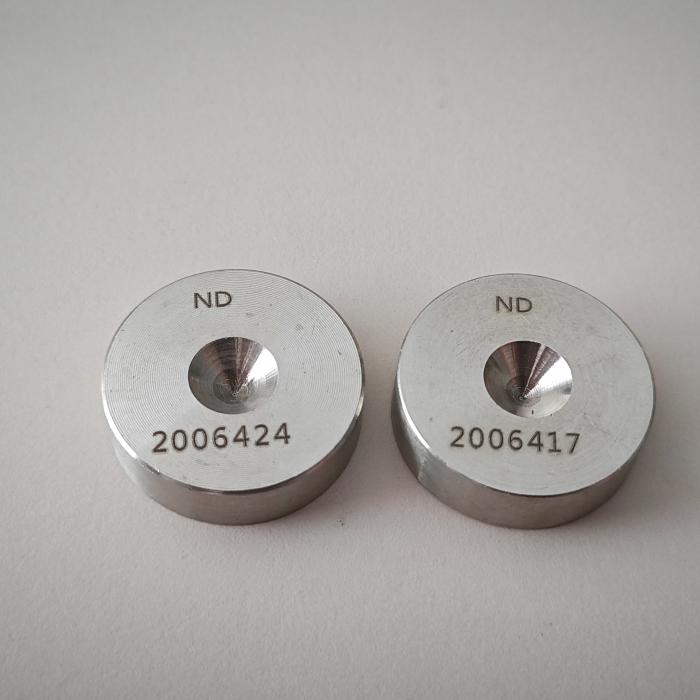
When you drop below 0.1mm, or when you are drawing semiconductor bonding wire or medical guidewire, you need Natural Diamond Wire Drawing Dies. Because natural diamond is a single crystal, it has no grain boundaries. It can be polished to a mirror finish, delivering the flawless surface required for high-end electronics. The trade-off? It is highly brittle. A tiny particle of dirt in your lubricant can chip the diamond instantly.
So, stop buying dies based on price alone. Use carbide for rough breakdown, PCD for reliable everyday drawing, and natural diamond only where extreme precision is non-negotiable.