Main text:
Behind every clean cutting, trimming, and crushing, there is an easily overlooked precision component - the industrial blade. Many purchasers treat blades as ordinary vulnerable parts, but the appropriate blade directly determines the quality of the incision, waste rate, production line downtime, and overall production cost. With the popularization of automation and high-speed slitting production lines worldwide, the blade industry is also continuously iterating in metallurgy, edge grinding, and surface coating technology to cope with increasingly difficult to process materials.
Common categories of industrial blades
There is no universal version for industrial blades, and the blade structure is specially designed according to the equipment and cutting material:
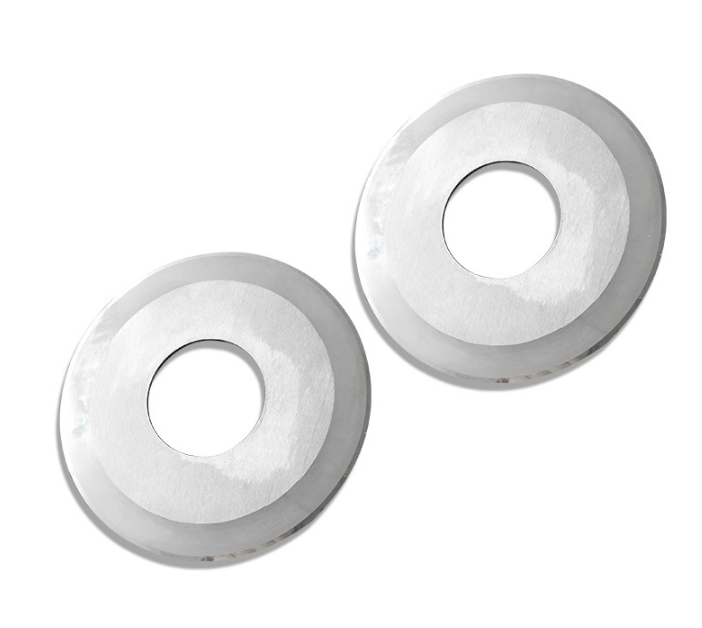
-Circular slitting knife: used for film, aluminum foil, paper, non-woven fabric, rubber, thin composite materials, matched with slitting and rewinding machine
-Straight cutting knife/cutting knife: blade cutting, sheet cutting, plastic sheet cutting, food cutting
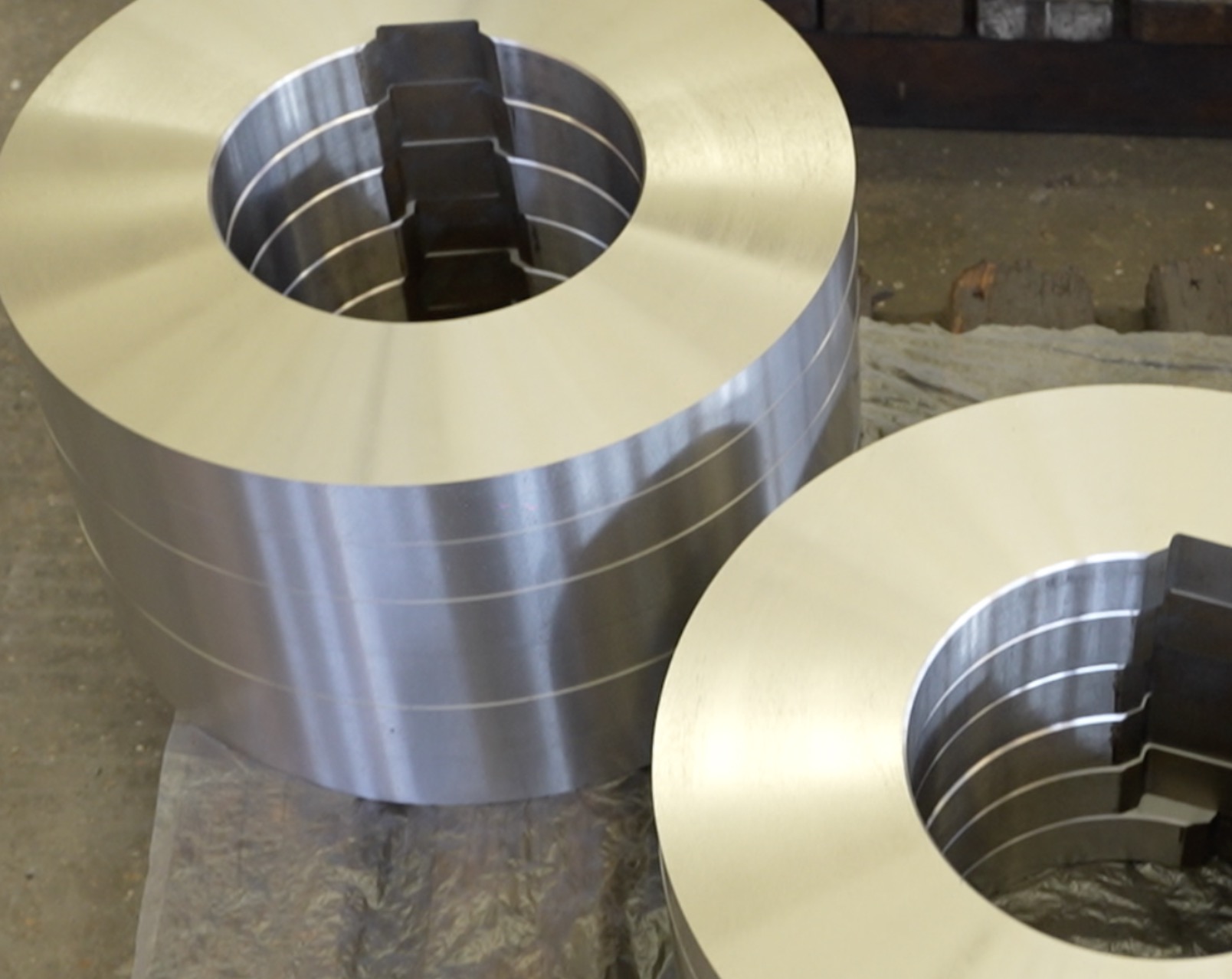
-Shredder knife: heavy-duty rotor knife, used for plastic recycling, wood, rubber, waste, metal shavings
-Crimping knife, punching knife, forming shaped knife: customized precision blades for packaging, labeling, and die-cutting industries
Mainstream blade materials and characteristics
The material determines the basic performance of the blade, and there is a trade-off between hardness, toughness, red hardness, and rust prevention:
1. Mold steel (D2/SKD11/Cr12MoV)
Balanced wear resistance and toughness, with the strongest universality, suitable for paper, film, rubber, and adhesive materials, and high cost-effectiveness for medium load mass production.
2. High speed steel HSS (M2/M35)
Excellent red hardness, good edge retention at high temperatures, suitable for high-speed cutting, thin metal, and high friction working conditions.
3. Hard alloy (tungsten steel)
Extremely high hardness, strong wear resistance, and a much longer lifespan than steel blades; Suitable for strong abrasive materials such as fiberglass, fiber film, carbon fiber, and filled plastics; The disadvantage is that it is brittle and cannot withstand impact.
4. 420/440C stainless steel
Rust proof and hygienic, preferred for food, medicine, and humid chemical environments.
5. Ceramic, PCD, CBN blades
Ultra precision niche categories, including semiconductors, high-end composite materials, and hard alloy processing.
What are the uses of coatings (TiN, TiCN, CrN, DLC)
Heat treatment enhances the hardness of the substrate, and coating is an advanced optimization solution: reducing friction, preventing adhesive, and delaying blade wear.
-TiN titanium nitride: gold coating, classic universal coating, commonly used for cutting thin film and aluminum foil
-TiCN: harder than TiN, suitable for abrasive plastics
-CrN: rust proof, anti adhesive, suitable for adhesive substrates
-DLC diamond coating: with the lowest friction coefficient, it significantly reduces adhesive buildup when cutting tapes, labels, and adhesive films, making it a pain point solution for adhesive material cutting
Downstream application industry
Packaging soft packaging, plastic rubber, recycling, textile, food, paper, automotive composite materials, new energy materials, medical packaging, printing industry.
Industry Trends
The global procurement strategy is shifting from "buying cheap blades and frequently replacing them" to * * comprehensive cost optimization * *. Customers no longer only focus on unit price, but also value stable cutting, longer lifespan, reduced downtime, and lower waste. The demand for customized blade angles, tolerances, and coatings continues to rise; Precision grinding, stable heat treatment, and strict testing are the core requirements for reliable blade factories.
Purchasing suggestions
There is no best blade, only the most suitable blade. When inquiring, please provide information such as equipment model, cutting material, thickness, line speed, whether the material contains adhesive/abrasive, expected lifespan, to facilitate engineers in matching materials, coatings, and cutting edge solutions.