
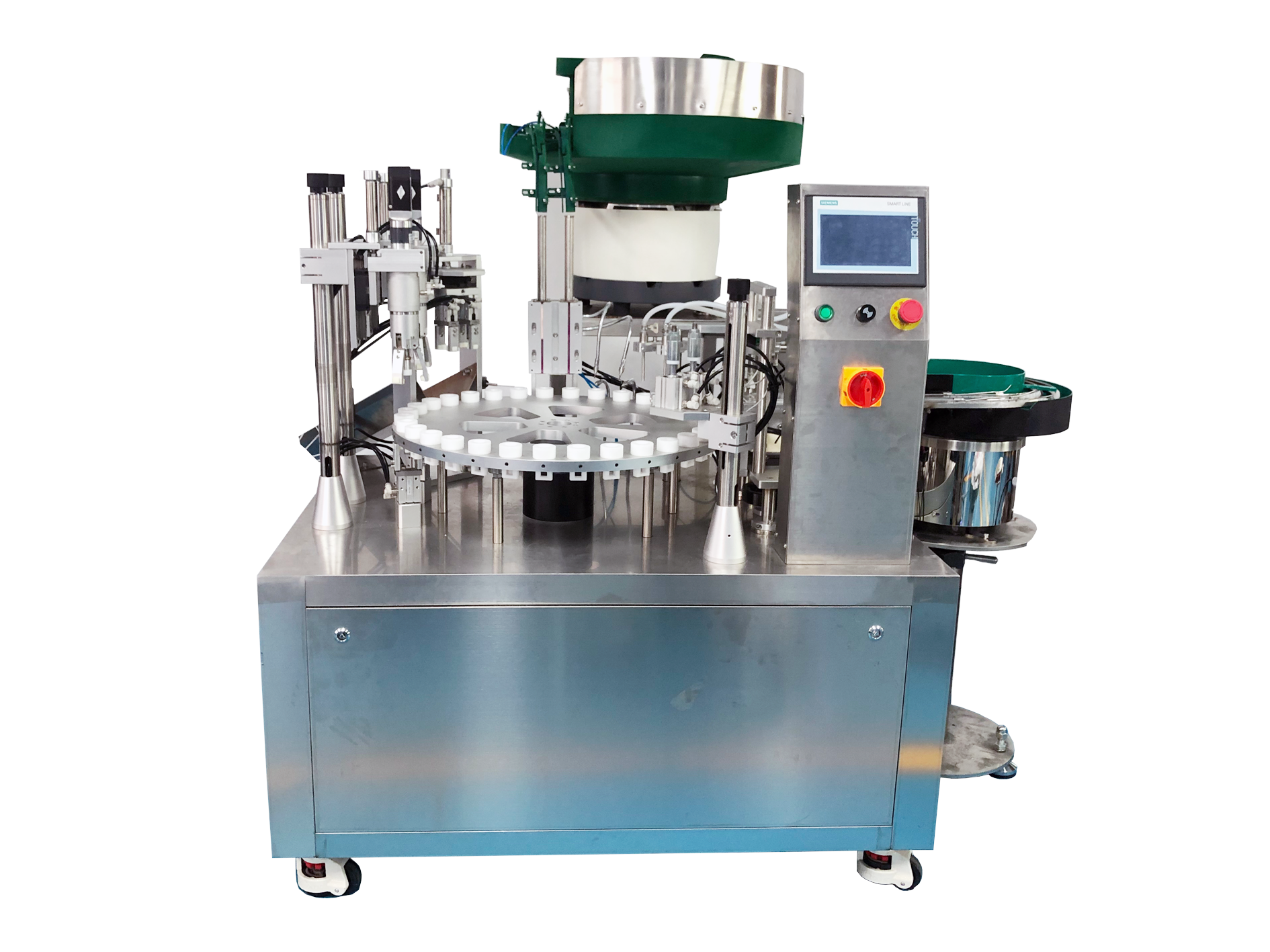
India is the world's most important source of generic sterile injectables, and in 2026 the India injectable manufacturing PLI fill-finish hubs story is one of policy-backed expansion, tightening GMP scrutiny and a determined move up from vials into complex formats. At Honsimba, we see this in rising inquiries for barrier-based vial and cartridge lines from producers in Hyderabad, Gujarat and Maharashtra. Guangzhou Huangzhipai Packaging Machinery Co., Ltd. checks these trends against its own 2025–2026 quotations for 1–50ml lines across India. Below is a practical guide to the policy, the hubs, and how buyers and partners should enter.
1. How Big Is India's Injectable Sector and What Is the PLI Scheme Doing?
India's injectable market is approaching USD 18–19 billion in 2026 with exports above USD 9 billion, and the India injectable manufacturing PLI fill-finish hubs are being reinforced by production-linked incentives that pay manufacturers on incremental sales while revised Schedule M raises the GMP bar. The scale and the policy are best read together.
- India's injectable market is estimated around USD 18.5 billion in 2026, with sterile injectables accounting for roughly 68% of sales and injectable exports expected to exceed USD 9 billion (industry compiled data).
- The national PLI program for pharmaceuticals and APIs supports domestic production of critical starting materials, key APIs and specialty dosage forms across the India injectable manufacturing PLI fill-finish hubs; PLI-backed projects are projected to add meaningful output in 2026 and reduce import dependence on inputs.
- More than half of all injectables consumed in the United States are produced abroad, and India holds the largest foreign share; India is also the sole manufacturer for over a quarter of shortage-listed sterile injectables in the US (Source: US health-supply analysis, 2025–2026).
- Indian pharmaceutical exports reached about USD 8.1 billion in the first quarter of fiscal 2026–27, up 6.8%, with vaccine exports growing fastest at roughly 36% (Source: Pharmexcil, 2026).
| Indicator | Figure | Basis |
| India injectable market 2026 | ~USD 18.5B | Industry compiled |
| Sterile share of injectables | ~68% | Industry report |
| Q1 FY27 pharma exports | ~USD 8.1B (+6.8%) | Pharmexcil |
| US shortage injectables sole-sourced in India | >25% | US supply analysis |
The reason this matters beyond India's borders is concentration risk. Western buyers depend heavily on Indian sterile capacity, which is precisely why both the PLI push for self-reliance and the global search for complementary hubs are accelerating. At Honsimba, buyers increasingly frame new lines as part of an "India plus one" or India-expansion strategy rather than isolated purchases.
✅ Bottom line: India's injectable sector is near USD 19 billion and backed by PLI incentives and revised GMP rules; its dominance of Western supply makes new compliant capacity strategically valuable.
2. Where Are the Hubs — and How Should a Buyer or Partner Enter?
Hyderabad is the center of gravity, with Gujarat and Aurangabad as complementary API and sterile clusters, and entry decisions should reflect both the Hyderabad pharma CDMO market entry dynamics and the global sterile injectable fill finish capacity shortage that is pulling new lines forward. The map and the entry logic are closely linked.
- Hyderabad (Telangana / Andhra Pradesh). A dense CDMO cluster spans early development, complex intermediates, high-potency APIs, peptides and sterile injectables, with Gland Pharma and numerous specialists anchored around the city — the reference point for any Hyderabad pharma CDMO market entry plan.
- Gujarat and Aurangabad. Strong in API and key starting material production, with sterile formulation capacity expanding under PLI support.
- Capacity shortage is real. Global sterile fill-finish utilization has run above 85% with long scheduling backlogs, and India's proven, FDA-inspected compliant lines are among the most sought-after capacity in the world.
- Complex formats are the next frontier. Indian producers are moving from vials into prefilled syringes, cartridges, lyophilized products and peptide lines, where margins and demand growth are higher.
- GMP scrutiny is tightening. CDSCO and revised Schedule M enforcement mean a manufacturer must align with global GMP standards from the start; quality-related export warnings remain a live risk for weaker plants.
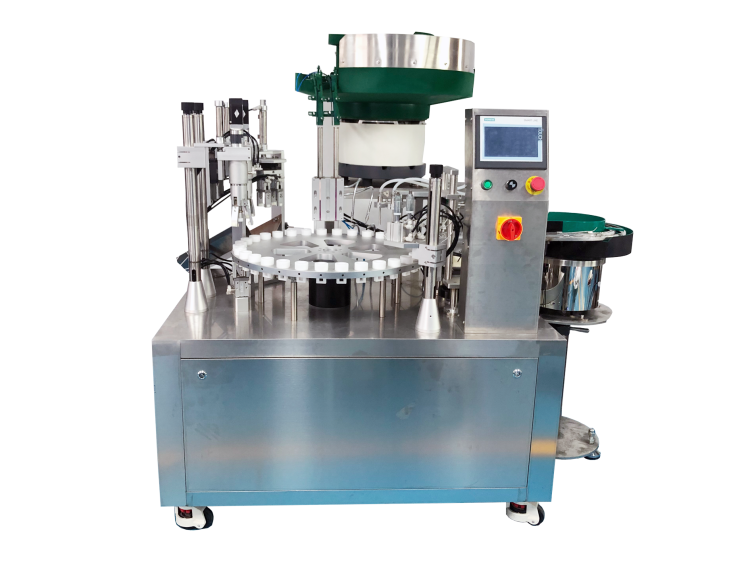
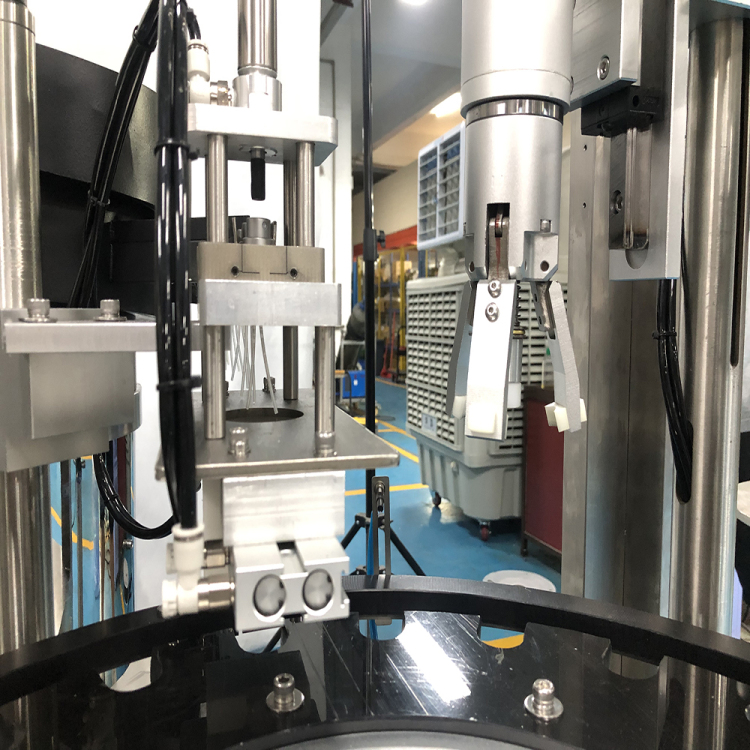
In our factory experience, the most defensible entry for an Indian producer or an international partner is a medium-throughput, multi-format Honsimba line built inside RABS or isolator protection, because FDA and EU buyers expect barrier processing and data-integrity-ready controls. Buyers placing custom orders with OEM flexibility should define the target regulated market and format roadmap before production begins, which shortens validation and protects export eligibility. Upstream, containers are washed in a Bottle Cleaning Machine before depyrogenation, and the complete Filling Machine range covers vials, cartridges and syringes with quick changeover across the formats India is adopting fastest.
✅ Bottom line: Enter through Hyderabad-linked, barrier-ready multi-format capacity; aligning with FDA and revised Schedule M expectations up front is what converts Indian production into defensible export business.
FAQ
Q: What are India's injectable manufacturing PLI fill-finish hubs in 2026?
A: Hyderabad is the core CDMO and sterile-injectable cluster, with Gujarat and Aurangabad strong in APIs and expanding sterile formulation; PLI incentives support domestic inputs and specialty dosage forms across these hubs.
Q: Is the sterile injectable fill finish capacity shortage creating an entry opportunity?
A: Yes. With global utilization above 85% and long CDMO backlogs, new FDA-aligned, barrier-based Indian capacity can be absorbed quickly, especially for vials and fast-growing syringe and cartridge formats.
Q: Can foreign companies or partners enter the Indian market easily?
A: The market is open but regulated, and investment from certain bordering jurisdictions requires government approval. Partners should structure entry carefully and confirm GMP and ownership requirements before committing.
Planning a sterile line for Hyderabad, Gujarat or beyond? Send Honsimba your target formats, fill volumes, regulated market and output, and Guangzhou Huangzhipai Packaging Machinery Co., Ltd. will reply with a barrier-ready configuration, accuracy target and clear quotation — talk to our manufacturer team for a free application review and layout.
Published: November 2026, By Honsimba Technical Team (Guangzhou)