
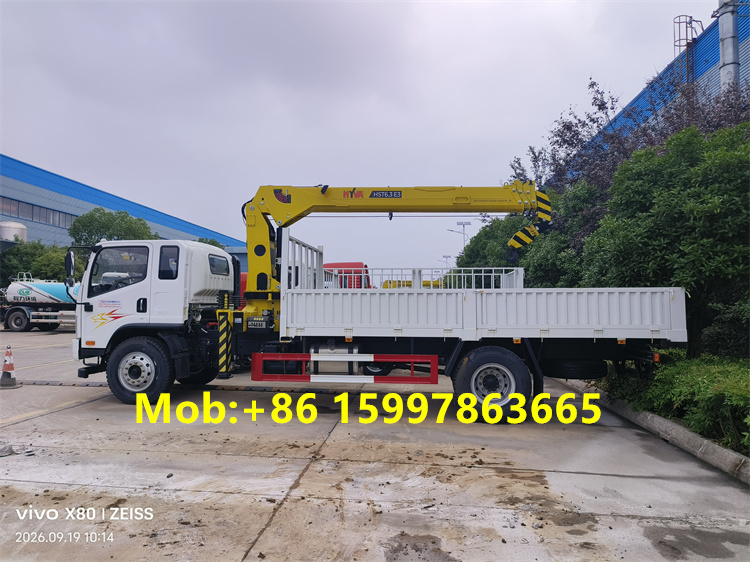
Hydraulic technology forms the backbone of truck crane performance, enabling compact chassis to deliver extraordinary lifting capacities with precision and control. In models featuring 8–20-ton ratings, these systems power telescopic booms up to 13 meters, 360-degree slewing, and rapid outrigger deployments, ensuring seamless operations across construction, utilities, and logistics applications. Advanced hydraulic engineering optimizes power density, safety, and efficiency, positioning truck cranes as indispensable assets in demanding environments.
Fundamental Operating Principles
Truck crane hydraulics leverage Pascal's law, where fluid pressure transmits uniformly to generate amplified mechanical force. High-pressure oil, typically operating at 20MPa, circulates from 160-liter reservoirs through axial piston pumps—often delivering 50 litres per minute—driven by the chassis power take-off (PTO) at 2200rpm. This setup supports variable flow: high-volume modes for fast positioning and high-pressure configurations for maximum lifts reaching 12 ton-m moments.
Proportional control valves and solenoid actuators direct fluid precisely, minimizing energy loss while providing smooth, responsive motion that eliminates load oscillations.
Essential System Components
The closed-loop circuit encompasses key elements: variable displacement pumps with pressure-compensated regulators, filtration units, and heat exchangers to sustain optimal viscosity under extreme temperatures. Double-acting linear cylinders drive boom luffing (0-75° range), telescopic extension, and outrigger stabilization—each cylinder rated for 18-ton axial loads with built-in cushioning to prevent impact damage to the truck crane.
Hydraulic motors power slewing mechanisms via planetary gear reducers on turntable bearings, while hoist winches manage wire rope tension across multi-sheave blocks for hoist heights exceeding 11 meters. Relief and sequence valves integrate overload protection, automatically limiting pressures to safeguard structural integrity.
Innovations Enhancing Reliability
Load-sensing hydraulics dynamically adjust pump displacement to real-time demands, achieving 25-35% fuel savings on 190HP engines and reducing thermal stress. Electro-hydraulic servo controls, networked via CAN-bus protocols, synchronize with inclinometers and pressure transducers for instantaneous feedback, integrating seamlessly with load moment indicators (LMI) to maintain safe working radii.
Anti-cavitation check valves and accumulator buffers mitigate fluid starvation during sudden manoeuvres, while diagnostic ports enable rapid troubleshooting. Synthetic, biodegradable fluids extend service intervals to 1,500 hours, supporting dust-resistant seals suited for harsh site conditions.
Operational Superiority and Compliance
This technology excels in power-to-size ratios, fitting advanced systems into 1.2-meter installation envelopes without compromising outreach or stability on 4.2-meter outrigger spans. Operator interfaces—pilot-operated joysticks in ergonomic cabs or wireless ground stations—offer proportional precision, complying with ASME B30.5 and ISO 4310 standards for controlled operations at 75% capacity limits.
Routine maintenance focuses on filter changes, seal inspections, and contamination monitoring, ensuring longevity and minimizing unplanned downtime.
Strategic Industry Impact
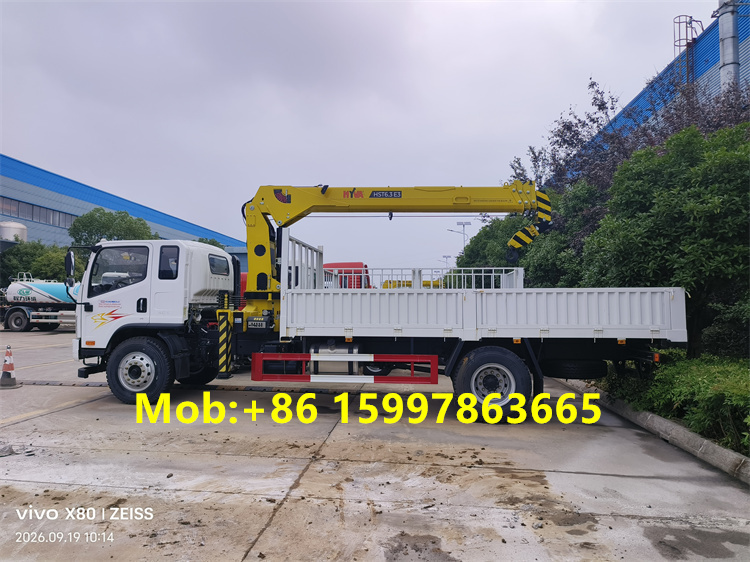
Hydraulic advancements transform truck cranes into efficient, operator-centric machines, balancing high-capacity performance with low lifecycle costs. From urban infrastructure to remote resource extraction, these systems deliver consistent reliability, safety, and adaptability—core drivers of productivity in modern heavy-lift applications.