
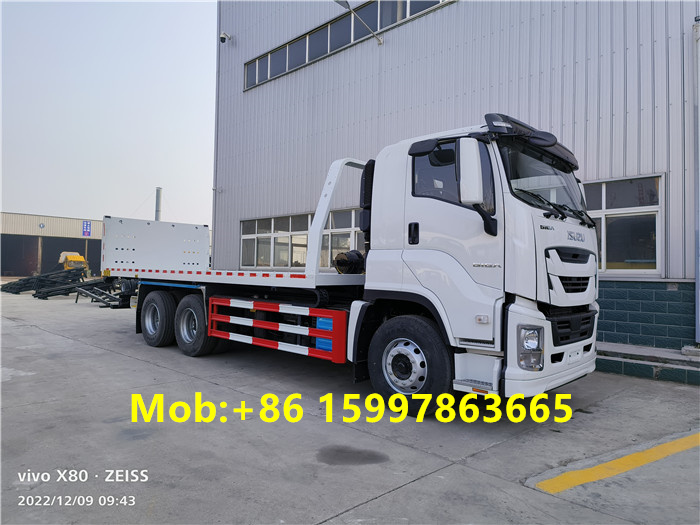
Choosing the right tow truck for your fleet is not only about buying a strong vehicle. It is about finding a machine that matches the kind of work your business handles every day, whether that means quick roadside recovery, safe car transport, or heavy-duty towing. The right choice can improve efficiency, reduce downtime, and help your team work with more confidence.
Understand Your Fleet Needs
The first step is to look at the type of vehicles your fleet serves most often. If your work mainly involves passenger cars, light-duty towing equipment may be enough. If you regularly handle larger trucks, buses, or commercial vehicles, then a heavier and more powerful tow truck will be necessary. The size, weight, and condition of the vehicles you tow should always guide your decision.
Choose the Right Tow Truck Type
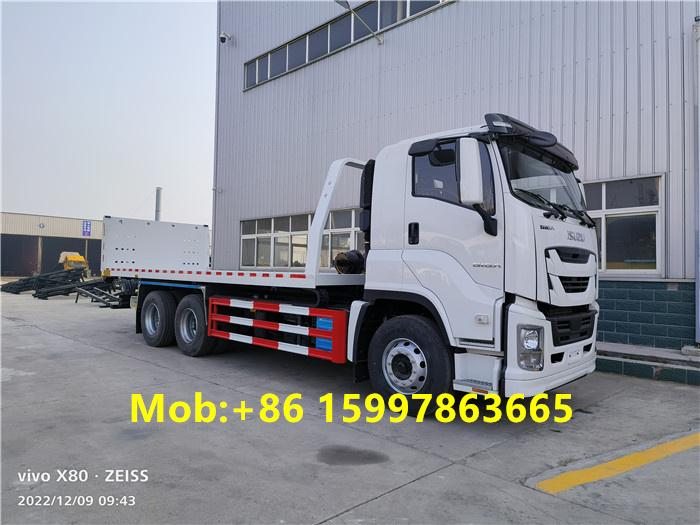
Different tow truck types serve different purposes. A flatbed tow truck is often the best option for safe transport, especially when you need to move damaged, luxury, or all-wheel-drive vehicles. A wheel-lift tow truck is more suitable for quick jobs in busy areas because it is efficient and easy to use. For larger recovery jobs, heavy-duty tow trucks offer the strength and stability required for demanding operations.
Think About Daily Work Conditions
Your fleet should also match the places where the tow trucks will operate. If your business works mostly in cities, manoeuvrability matters a lot. If your routes include highways, long distances, or industrial areas, then durability and lifting power become more important. A tow truck should support the real working conditions of your team, not just look powerful on paper.
Focus on Safety and Reliability
A good tow truck should protect both the vehicle being towed and the operator using it. Safety features, build quality, and dependable performance should always be part of the selection process. When your tow truck is reliable, your business can respond faster and keep customers satisfied during stressful situations.
Match the Truck to Long-Term Growth
It is also smart to think beyond today’s needs. A tow truck that fits your current workload but also supports future growth is usually the best investment. Many fleet owners prefer equipment that can handle a wider range of jobs as their business expands. This approach helps avoid frequent replacement and keeps operations more flexible.
Final Thoughts
The right tow truck for your fleet depends on the vehicles you handle, the type of work you do, and the conditions you face every day. When you choose carefully, your fleet becomes more efficient, more reliable, and better prepared for different towing challenges. A well-matched tow truck is not just a purchase — it is a long-term business asset.
Understand Your Fleet Needs
The first step is to look at the type of vehicles your fleet serves most often. If your work mainly involves passenger cars, light-duty towing equipment may be enough. If you regularly handle larger trucks, buses, or commercial vehicles, then a heavier and more powerful tow truck will be necessary. The size, weight, and condition of the vehicles you tow should always guide your decision.
Choose the Right Tow Truck Type
Different tow truck types serve different purposes. A flatbed tow truck is often the best option for safe transport, especially when you need to move damaged, luxury, or all-wheel-drive vehicles. A wheel-lift tow truck is more suitable for quick jobs in busy areas because it is efficient and easy to use. For larger recovery jobs, heavy-duty tow trucks offer the strength and stability required for demanding operations.
Think About Daily Work Conditions
Your fleet should also match the places where the tow trucks will operate. If your business works mostly in cities, manoeuvrability matters a lot. If your routes include highways, long distances, or industrial areas, then durability and lifting power become more important. A tow truck should support the real working conditions of your team, not just look powerful on paper.
Focus on Safety and Reliability
A good tow truck should protect both the vehicle being towed and the operator using it. Safety features, build quality, and dependable performance should always be part of the selection process. When your tow truck is reliable, your business can respond faster and keep customers satisfied during stressful situations.
Match the Truck to Long-Term Growth
It is also smart to think beyond today’s needs. A tow truck that fits your current workload but also supports future growth is usually the best investment. Many fleet owners prefer equipment that can handle a wider range of jobs as their business expands. This approach helps avoid frequent replacement and keeps operations more flexible.
Final Thoughts
The right tow truck for your fleet depends on the vehicles you handle, the type of work you do, and the conditions you face every day. When you choose carefully, your fleet becomes more efficient, more reliable, and better prepared for different towing challenges. A well-matched tow truck is not just a purchase — it is a long-term business asset.