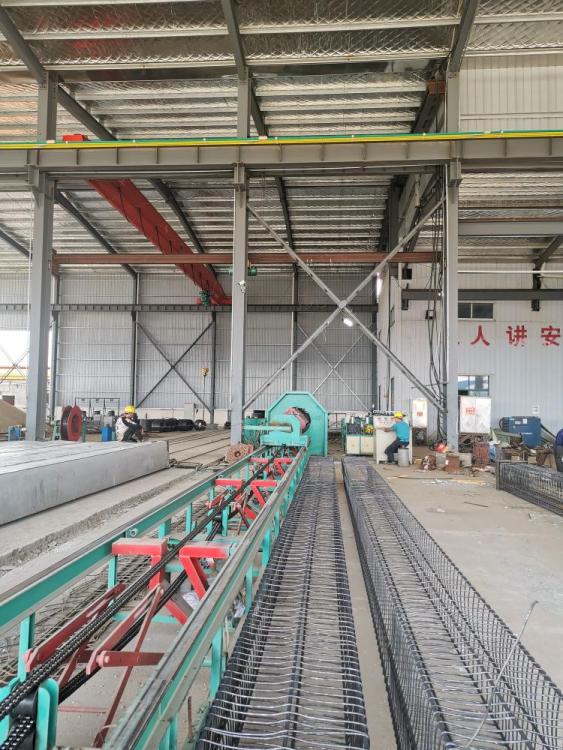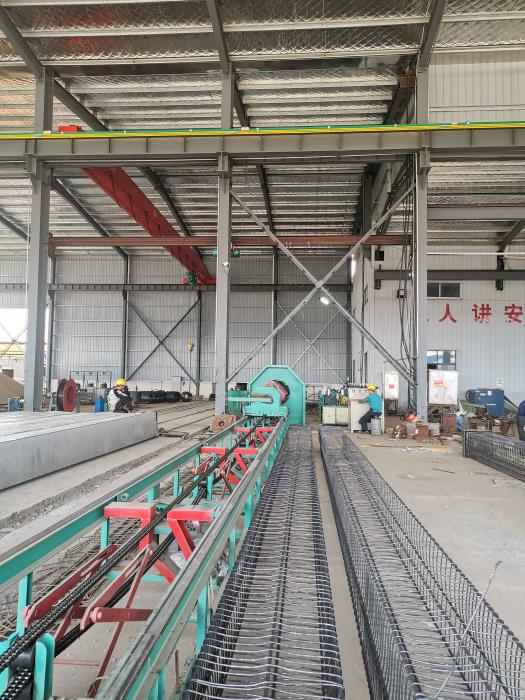
Once a pile is twisted, it will jam in the driving rig or fail to enter the ground cleanly. Fixing it is nearly impossible.
A professional Square Pile Roll Welder solves this by managing thermal dynamics, not just by moving fast. The machine uses two main strategies. First, it applies symmetrical welding. By welding opposite corners simultaneously or in a strict alternating sequence, the contraction forces cancel each other out. Second, top-tier machines use water-cooled copper shoes that press against the weld zone. This instantly draws heat away from the steel, preventing excessive thermal spread.
This same physics applies across heavy manufacturing. A standard Roll Welder making large structural tubes relies on identical cooling and sequence controls to avoid ovality. Even an Electric Pole Roll Welder—which welds long, straight seams—must use precise cooling to prevent the pole mold from bowing.
When sourcing equipment, don't just look at the maximum plate thickness or the welding current. Ask about the cooling system and the PLC's welding sequence. Can it adjust the welding sequence automatically? Does it have forced air or water cooling on the seam? The motor power gets the machine running, but it is the heat control that keeps your piles straight and your construction schedule on track.