
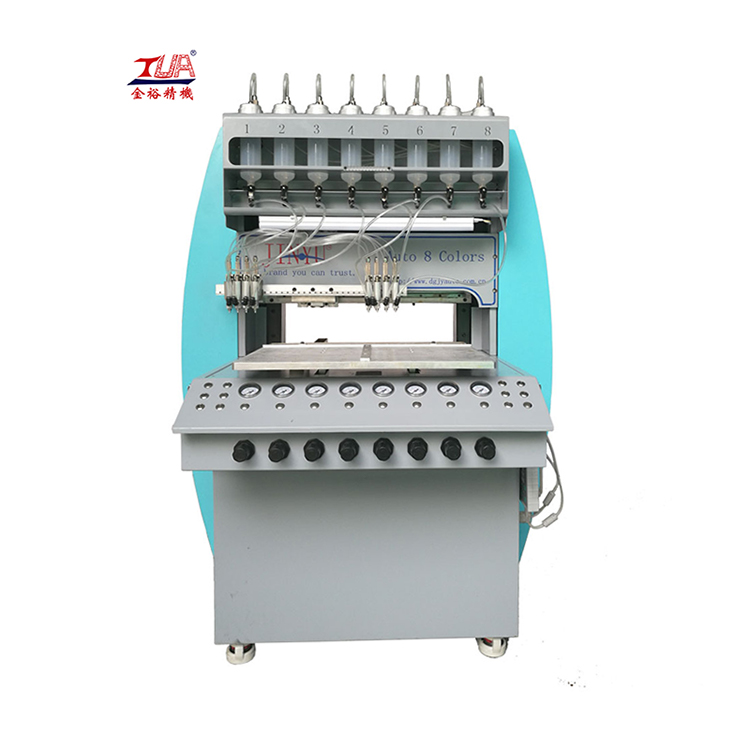
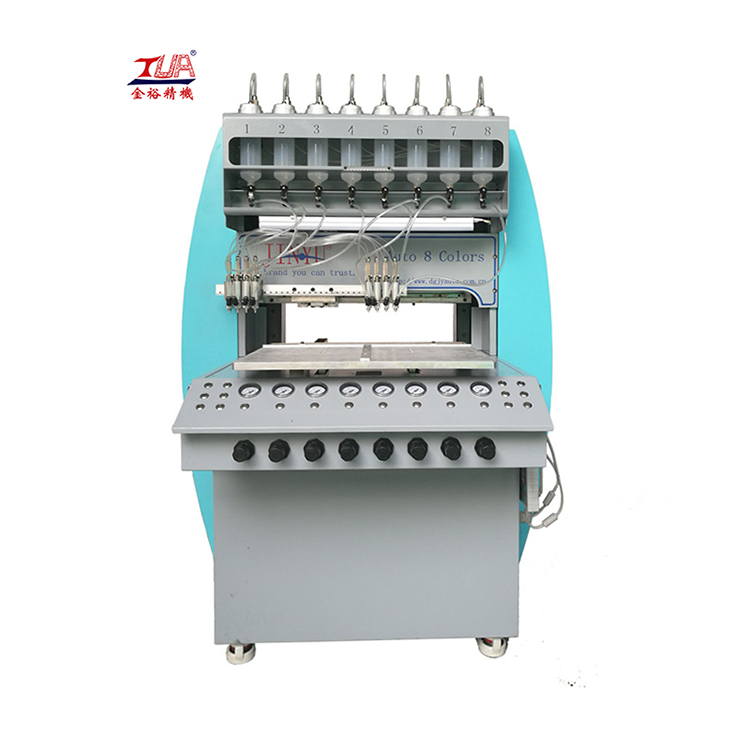
Handling high-viscosity silicone requires a dispensing machine capable of delivering material under controlled pressure while maintaining a stable and repeatable output. Unlike low-viscosity liquids, thick silicone compounds offer greater resistance to flow, making them more difficult to pump, transfer, and dispense through narrow passages. A properly configured silicone dispensing machine uses suitable pumping mechanisms, material feeding systems, pressure control, and dispensing components to manage these challenges. These features help manufacturers apply silicone consistently in sealing, bonding, potting, gasket production, and other industrial applications.
Why Is High-Viscosity Silicone Difficult to Dispense?
High-viscosity silicone does not flow as easily as thinner liquids. Its resistance to movement increases the pressure required to transfer it through pipes, hoses, valves, and dispensing nozzles.
This creates several challenges during production.
First, insufficient feeding pressure may cause an unstable material supply. The dispensing head may receive material inconsistently, affecting the continuity of the application.
Second, narrow passages and unsuitable tubing can increase pressure loss. This makes it more difficult to maintain the required output, particularly when the material has a high viscosity or contains fillers.
Third, some silicone compounds exhibit shear-thinning behavior, meaning their apparent viscosity decreases when subjected to higher shear rates. This behavior must be considered when selecting the pump and dispensing parameters.
For manufacturers working with thick silicone formulations, equipment selection should therefore be based on actual material properties rather than viscosity alone.
How Does a Silicone Dispensing Machine Transfer High-Viscosity Materials?
Selecting the Right Pumping Mechanism
The pumping system is one of the most important components when handling high-viscosity silicone.
Depending on the material and application, manufacturers may use positive displacement pumps, such as progressive cavity pumps, gear pumps, or piston-based systems.
These mechanisms move a controlled amount of material through the delivery system and can provide more predictable output than relying only on gravity or air pressure.
For example, a progressive cavity pump can transfer thick silicone through a continuous pumping action. A piston-based system may be suitable for applications requiring controlled material delivery in defined quantities.
The correct pump depends on silicone viscosity, required flow rate, material sensitivity, dispensing pressure, and the desired output accuracy.
Optimizing the Material Feeding System
High-viscosity silicone may not flow efficiently from a conventional container into the pump inlet. This can create feeding problems, especially when the material is thick or has limited flow under its own weight.
A suitable feeding system helps maintain a consistent material supply to the pump. Depending on the equipment design, this may involve follower plates, pressure-assisted feeding, or specialized material containers.
Follower plates are particularly useful for handling thick materials stored in drums. They press against the material surface and help reduce air pockets while directing silicone toward the pump inlet.
A stable feeding arrangement reduces the risk of material starvation and helps the dispensing system operate more consistently.
Controlling Pressure Throughout the Delivery Path
High-viscosity silicone requires sufficient pressure to move through the complete delivery system. However, simply increasing pressure is not always the best solution.
Excessive pressure may place additional stress on hoses, seals, fittings, and dispensing components. It can also create difficulties when the machine stops or changes dispensing conditions.
Engineers should consider the pressure losses associated with hose length, internal diameter, bends, filters, valves, and nozzle dimensions.
Using appropriately sized hoses and minimizing unnecessary restrictions can help reduce pressure requirements while maintaining a stable material supply.
How Do Temperature and Material Conditioning Affect Silicone Dispensing?
Temperature can significantly influence silicone viscosity. Many silicone formulations become easier to transfer when their temperature increases, although the effect depends on the specific material chemistry.
Some dispensing systems use controlled heating to improve material handling. However, heating must be carefully managed because excessive temperatures may accelerate curing or change the material's working properties.
For two-component silicone, the temperature of each component may also affect mixing behavior and reaction time. The feeding system should maintain suitable conditions without causing premature curing.
Material conditioning is equally important. Before dispensing, manufacturers should check whether the silicone requires mixing, degassing, or temperature stabilization according to the supplier's technical instructions.
These preparation steps help reduce variations during production and improve the reliability of the dispensing process.
What Machine Configurations Help Improve High-Viscosity Silicone Dispensing?
An industrial silicone dispensing machine should be configured according to the material's characteristics and production requirements.
Important considerations include:
-
Pump capacity: The pump must provide the required flow rate under the actual operating viscosity and pressure conditions.
-
Hose dimensions: Suitable internal diameters and shorter delivery paths can reduce unnecessary pressure losses.
-
Pressure monitoring: Pressure sensors or gauges help operators identify abnormal resistance or changes in material delivery.
-
Material temperature control: Heating or temperature stabilization may be useful for specific silicone formulations.
-
Dispensing head design: The valve and nozzle should be suitable for the material's viscosity and application geometry.
-
Cleaning and maintenance access: Material-contact components should be accessible for inspection and cleaning, particularly when processing reactive or curing silicone.
For applications involving accurate material ratios, a Silicone Metering Machine may also be required. It can measure and deliver defined quantities of silicone components, depending on whether the process uses single-component or two-component materials.
An Automatic Silicone Dispensing Machine can further integrate material feeding, pumping, movement control, and dispensing operations to reduce manual handling in repetitive production tasks.
What Problems Can Occur When Dispensing High-Viscosity Silicone?
Several production issues may appear when the machine is not properly matched to the silicone formulation.
Insufficient material output: The pump or feeding system may not provide enough material under the required operating conditions. Checking inlet supply, pump capacity, and delivery pressure can help identify the cause.
Unstable dispensing: Fluctuations in material feeding, trapped air, or unsuitable pump operation may result in inconsistent output.
Excessive pressure: Narrow hoses, restrictive fittings, or partially blocked passages can increase system resistance. The delivery path should be inspected before increasing the operating pressure.
Premature material curing: Some silicone formulations have limited working times after preparation or mixing. Material remaining inside the delivery system may begin to cure and restrict flow.
Inaccurate output: Pump wear, unsuitable dispensing parameters, and inconsistent material properties can affect the amount delivered during each cycle.
A systematic inspection of the material, pump, feeding system, and delivery components is more effective than adjusting dispensing speed alone.
How Should Manufacturers Choose a Silicone Dispensing Machine for High-Viscosity Materials?
Before purchasing equipment, manufacturers should provide the supplier with the silicone's technical data sheet, viscosity range, component ratio if applicable, working time, and required production output.
The supplier should evaluate whether the proposed pump can handle the material under actual operating conditions. A machine that performs well with medium-viscosity silicone may not be suitable for a much thicker formulation.
Buyers should also confirm the maximum operating pressure, compatible material containers, temperature control options, cleaning procedures, and available dispensing configurations.
For production applications involving continuous operation or large material volumes, an Industrial Silicone Dispensing Machine should be evaluated based on long-term operating stability, maintenance requirements, and compatibility with the complete production line.
Conclusion
Handling high-viscosity silicone requires more than a powerful pump. The feeding system, pressure control, hose dimensions, temperature management, and dispensing head must work together to deliver material reliably.
By matching the equipment configuration to the actual silicone formulation, manufacturers can reduce feeding interruptions, improve output consistency, and support more stable production. Choosing an appropriate silicone dispensing machine also helps ensure that the equipment can meet both current manufacturing requirements and future production needs.