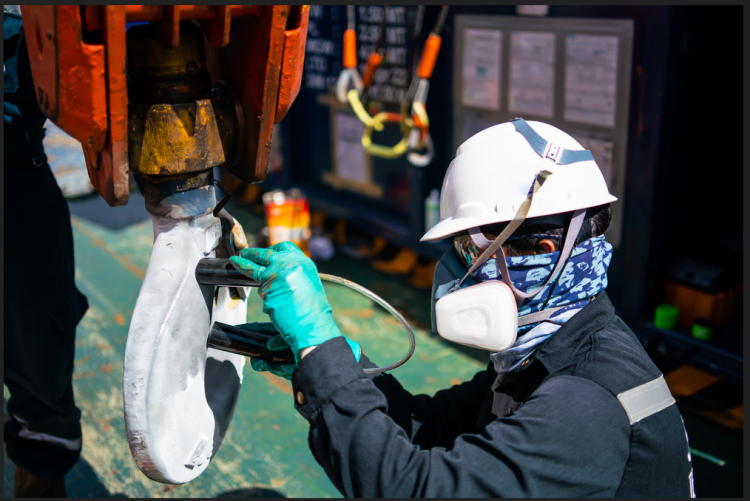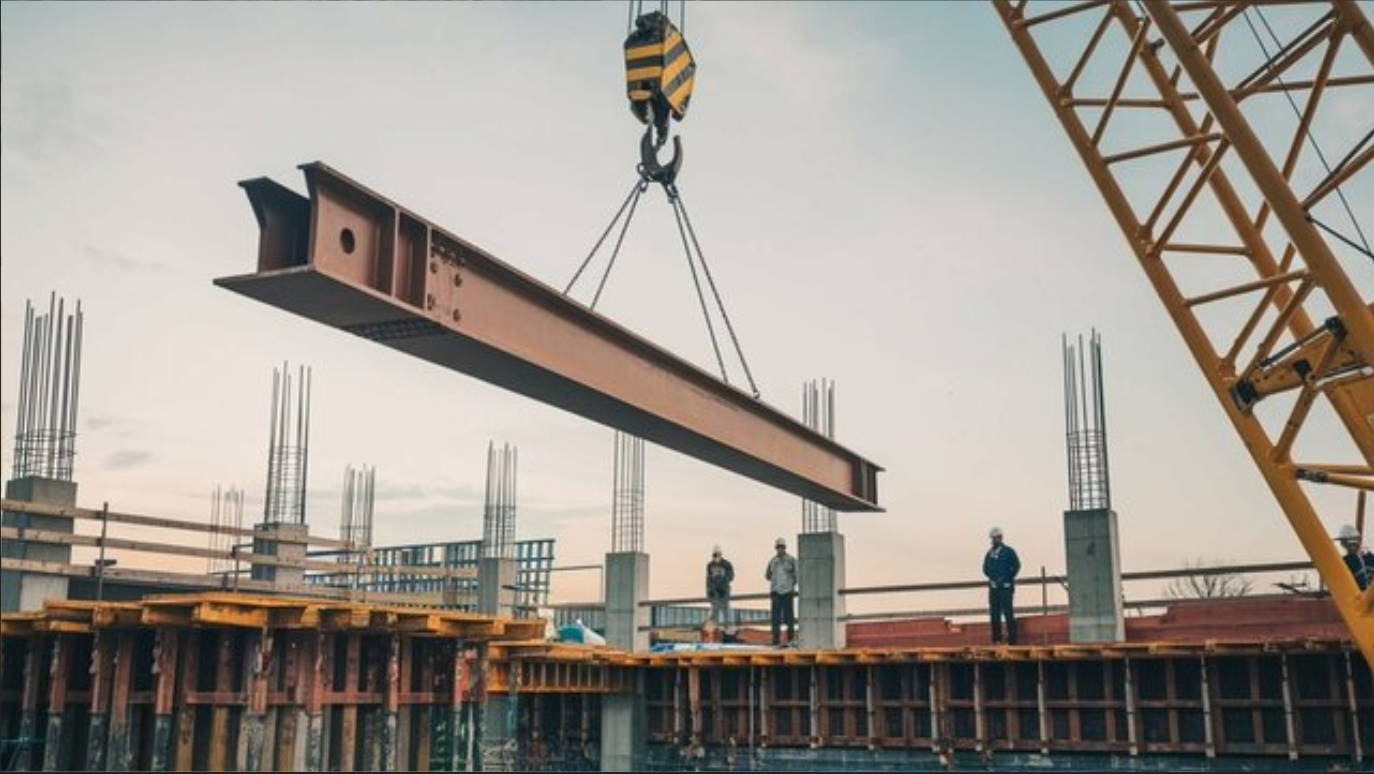
Hoist lifting hooks, Rate Electric Hoist and Crane hook set are core components of the lifting and load-taking system. As an integrated assembly, the Crane hook set serves as the terminal force transmission hub of the lifting system. Loads converge on hoist lifting hooks through wire ropes and pulley blocks. The hook neck arc transition zone and the dangerous section of the hook body are subjected to alternating stress for a long time, making them high-risk fatigue components, complying with GB/T 10055 and GB/T 6067 standards. A standard Crane hook set consists of hoist lifting hooks, pulleys, cross beams, thrust bearings, anti-drop pawls and other parts. It is forged and tempered with alloy steel. Casting and repair welding are strictly prohibited. Microcracks in the heat-affected zone of welding will expand rapidly under alternating loads and trigger brittle fracture. Hoist lifting hooks are divided into single hooks and double hooks. Double hooks are selected for heavy-load conditions of large tonnage to optimize stress distribution. The Crane hook set matched with Rate Electric Hoist has special requirements for load cycle and dimension matching and cannot be universally selected.
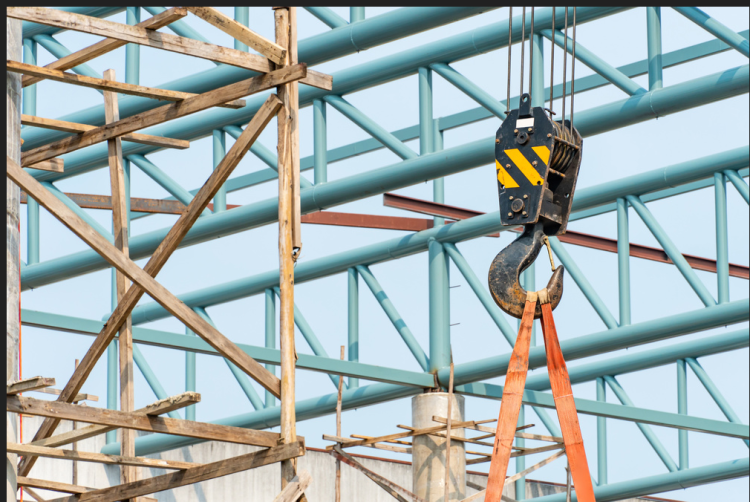
The selection of the Crane hook set should not only consider the rated lifting capacity. Working class, ambient temperature and humidity are core constraints. Light-duty and intermittent operation of A1-A3 leads to slow fatigue accumulation. For heavy-duty and extra-heavy-duty A6-A8 with frequent start and brake and extremely high stress cycle frequency, the Crane hook set matched with Rate Electric Hoist must adopt forgings with higher fatigue margin, enlarged transition fillets and improved flaw detection grades. Under high-temperature metallurgical conditions, the yield strength of hoist lifting hooks decreases and creep risk rises, so high-temperature-resistant specifications are required. In low-temperature environments, the toughness of steel drops and cold brittle fracture is prone to occur; hoist lifting hooks shall meet low-temperature impact requirements. High humidity and coastal salt fog environments accelerate corrosion. Corrosion pits become stress concentration sources and induce fatigue cracks. All accessory parts of the Crane hook set need anti-corrosion treatment.
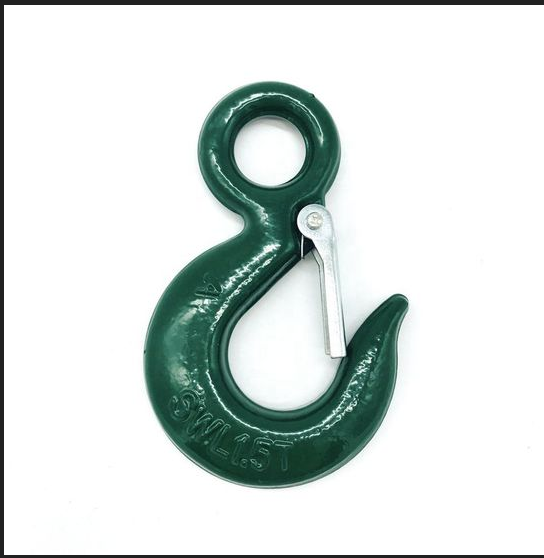
Most failures are progressive fatigue damage with strong concealment. In a 100-ton gantry crane project near the seaside with high humidity and obvious salt fog, the equipment is working class A6, equipped with Rate Electric Hoist and Crane hook set. Oblique pulling and slanting lifting were common on site. Maintenance only measured the opening of hoist lifting hooks without regular magnetic particle inspection. A 2.1 mm deep fatigue crack was detected at the hook neck fillet of hoist lifting hooks during re-inspection, together with multiple corrosion pits on the hook surface. Simulation calculation shows that pits caused by salt fog corrosion act as crack sources. Combined with high-frequency alternating loads, cracks keep subcritical expansion, and sudden fracture is highly likely if operation continues.