
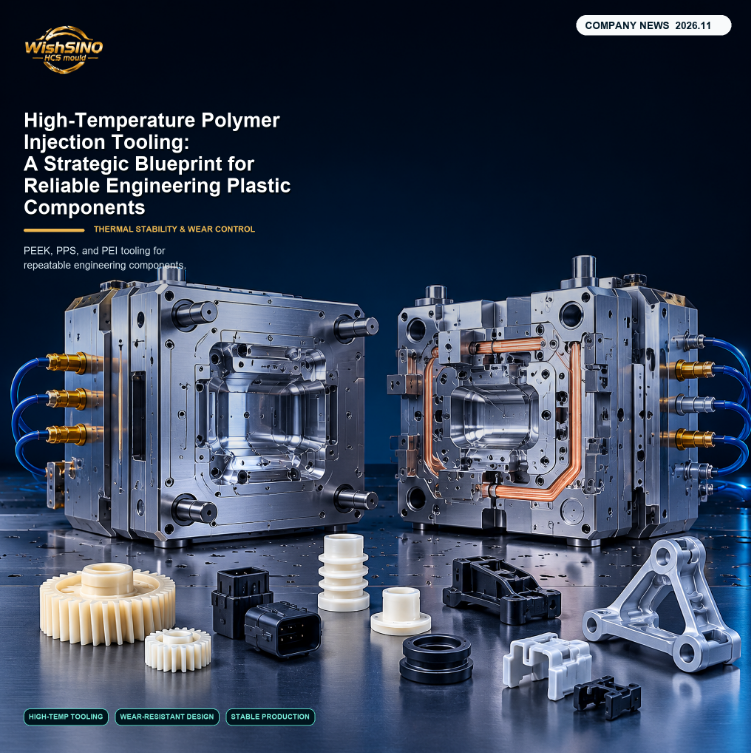
High-Temperature Polymer Injection Tooling: A Strategic Blueprint for Reliable Engineering Plastic Components
Nov 17, 2026
Thermal Stability and Wear-Resistant Cavity Design: The Technical Roadmap for Repeatable High-Performance Molding
High-temperature engineering polymers are being selected for electrical insulation, automotive under-hood components, aerospace brackets, precision drive systems, medical instruments, and chemical-handling parts where ordinary plastics may not provide the required heat resistance or dimensional stability. For buyers, the challenge is not simply finding a material that survives a demanding environment. The mold must also remain stable while the material is processed, filled, cooled, ejected, and inspected repeatedly. [High-Temperature Polymer Injection Tooling] therefore becomes a complete engineering system covering steel selection, thermal control, venting, wear management, and production evidence.
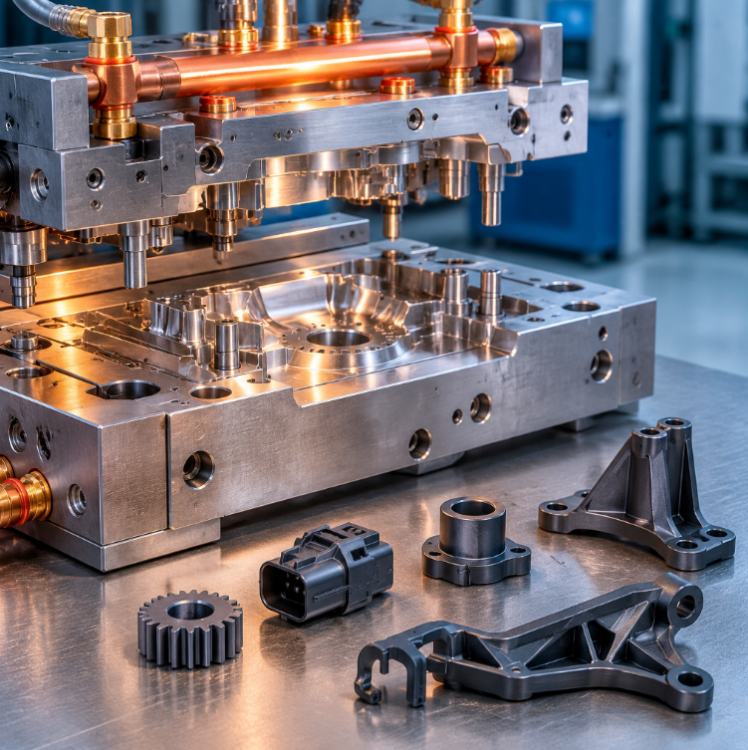
A reliable tool begins with [Thermal Stability and Mold Steel Selection]. High-temperature polymers can expose the cavity, core, gate, and sliding elements to demanding thermal cycles and abrasive or reinforced compounds. Tool design should coordinate suitable steel condition, heat treatment, replaceable wear inserts, polished or textured surfaces, balanced gates, and practical cooling strategy. The objective is not to add complexity for its own sake, but to control distortion, flash, deposits, sticking, and dimensional drift across the service life of the tool.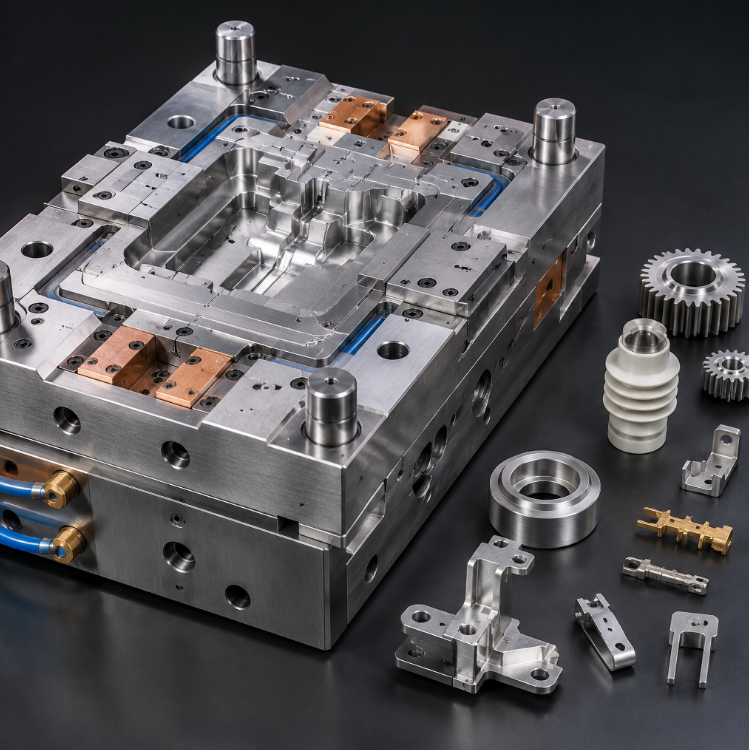
For procurement teams, [Repeatable High-Performance Plastic Components] means more than a successful first trial. It means that connector bodies, electrical insulators, gears, valve seats, sensor brackets, and structural clips can be produced with controlled critical dimensions and consistent functional interfaces. Qualification should connect material drying records, molding parameters, cavity identification, dimensional inspection, and functional checks. When a reinforced or high-temperature grade is involved, this evidence helps the buyer separate a material-conditioning issue from a tooling, machine, or maintenance issue.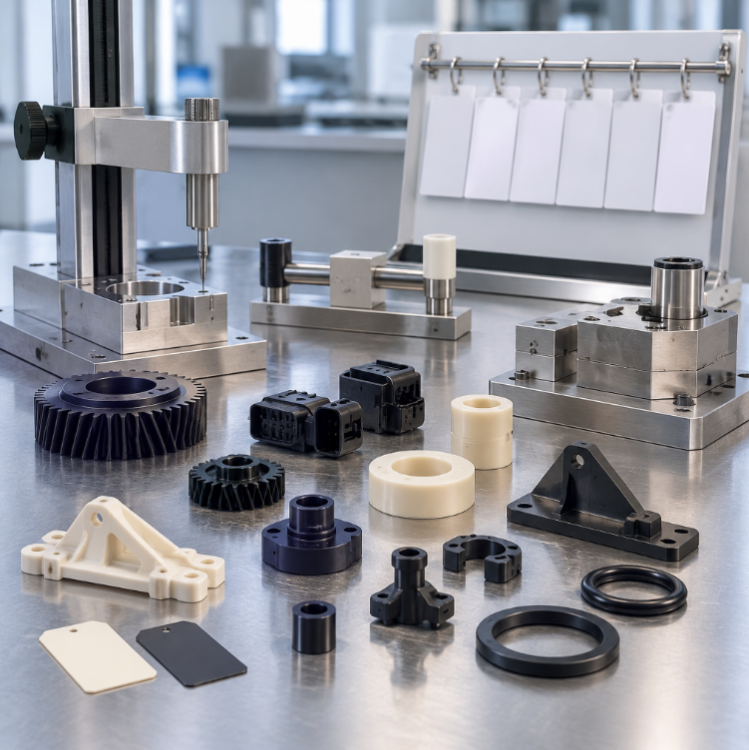
High-temperature tooling also requires a service plan that matches the production environment. Maintenance access should support inspection of gates, vents, slides, ejector elements, and wear inserts without unnecessary disassembly. Clear cleaning procedures, spare-part interchangeability, restart checks, and retained samples reduce the risk of an unexpected stoppage affecting a validated program. When the mold design, material process window, and quality plan are developed together, demanding engineering plastic programs gain a more controlled route from prototype approval to stable production.