

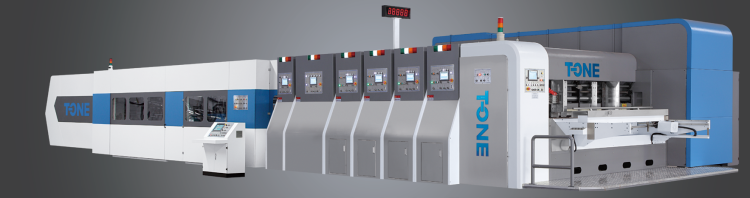
A corrugated box can leave a flexo folder gluer looking square and still show a weak, open or misaligned manufacturer's joint during handling. A reliable response starts with evidence from the actual blank and production run. This article helps box plants plan a focused glue-seam trial and separate bonding problems from folding and feeding problems.
Quick answer: Confirm the blank geometry and surface, inspect glue placement and condition, review folding alignment and compression, then test finished cases against the customer's approved method. Do not treat a higher glue setting or faster line as an automatic fix.
Shorter orders and more frequent changeovers make repeatable setup especially useful. A recorded joint sample and agreed checks allow operators to compare each restart with the accepted box rather than relying on appearance alone.
Describe the failure before adjustment
Is the seam opening immediately, after compression, during erection or after storage? Is the glue missing, uneven, outside the flap, or present on both surfaces without a sound bond? Does the joint shift along the box length? Collect samples from the start, middle and end of the run and note the board batch, job settings and ambient conditions. These distinctions prevent unrelated adjustments from obscuring the cause.
Check the incoming blank
Measure the manufacturer's flap and the relevant score-to-slot dimensions against the approved drawing. Inspect whether the flap is crushed, dusty, coated, contaminated or unusually warped. Examine the printed side and glue side separately; a change in surface or prior converting can affect how the joint forms. If the blank itself is out of tolerance, resetting the folder gluer may only hide the defect temporarily.
Use representative board rather than pristine demonstration stock. Include the smallest and largest case formats that the proposed setup is expected to handle, plus any board grade that has previously caused an issue. The accepted range must come from the supplier's documented configuration and the plant's trial, not from a generic machine label.
Observe glue application
Confirm that the specified adhesive is suitable for the actual surface and application. Review its supplier instructions for preparation, operating conditions and handling. Inspect the application path, start and stop position, bead continuity and transfer to the intended flap. Look for missed areas, excessive squeeze-out or a nozzle position that changes with job format. Record each correction before making another one.
A visible glue line does not prove bond strength. The finished joint needs the agreed test after the required conditioning or curing interval. If the customer has no acceptance method, establish one with the box specification owner before promising a production result.
Follow the fold and compression path
Watch the blank enter, fold and meet at the joint. A skewed feed or uneven folding can shift the flap even when glue placement is correct. Compare left and right panel alignment, fish-tailing, flap overlap and pressure contact. Then inspect the counter-ejector or delivery stage for handling that may disturb a joint before it has developed enough strength.
Trial at the intended operating conditions and include a restart and changeover. A sample that passes at a slow demonstration speed is useful evidence, but it does not by itself approve the planned production run.
Build a traceable acceptance record
Keep both acceptable and failed samples. A photograph helps explain the symptom, but a physical case and recorded test result are more useful for diagnosing a repeated joint failure.
At handover, give the next shift a concise record of the accepted settings and the signs that require a stop. If a different board or adhesive arrives, identify the change and repeat the checks affected by it. This is more reliable than copying a prior recipe without confirming the material.
FAQ
Is more glue the first fix for a weak joint?
No. Check flap position, surface condition, application continuity, alignment and the adhesive supplier's instructions before changing the amount.
Can a box be approved immediately after gluing?
Only if the customer-approved method allows it. Some evaluations require a defined conditioning period; use the relevant specification.
Review the flexo folder gluer machine range to identify the relevant line concept. For a configuration discussion, share drawings, board grades, adhesive requirements and failed-box samples through the contact page.