
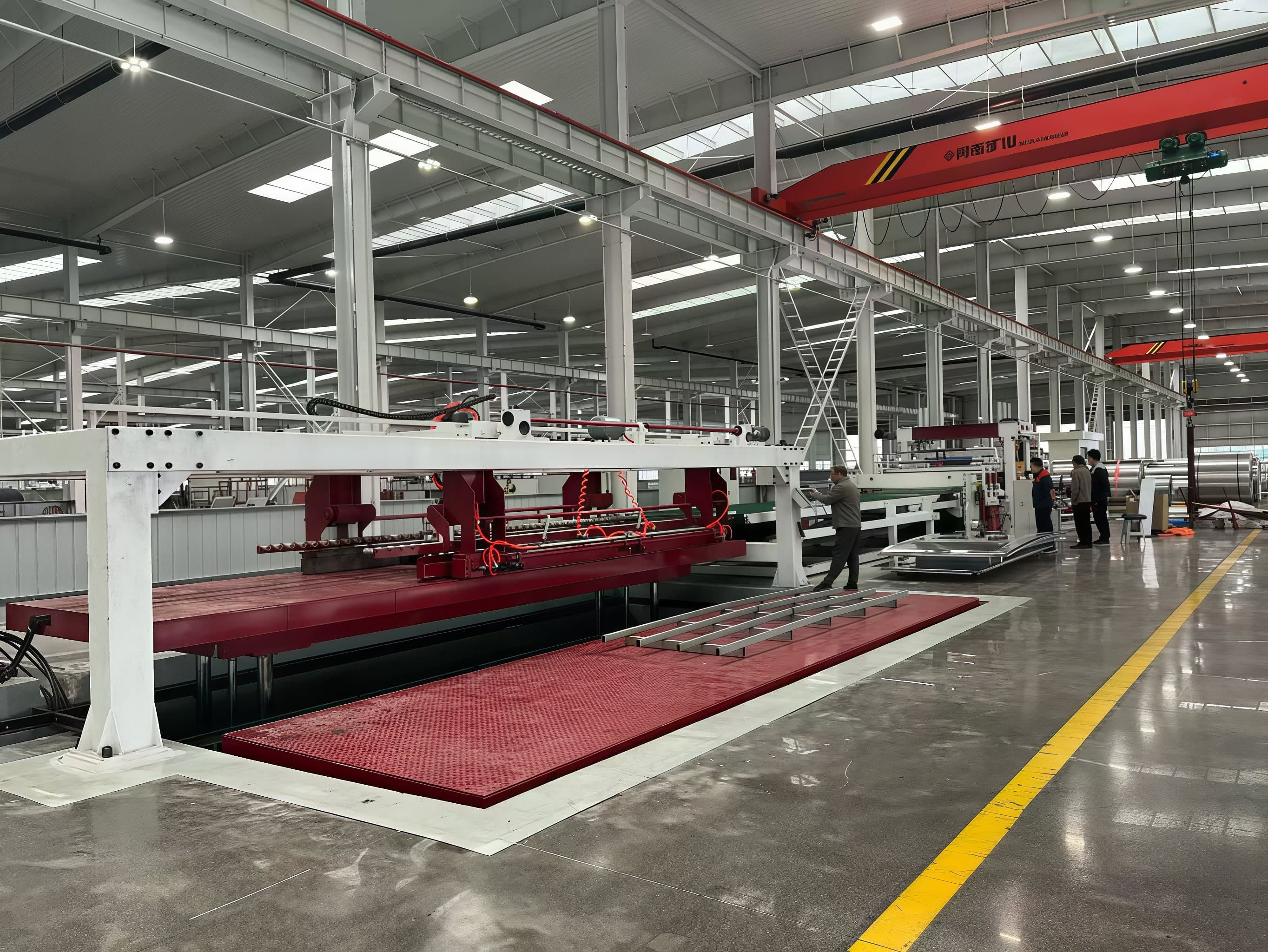
A high-speed cut-to-length line lives or dies by its flying shear. The shear is the fastest-moving, hardest-working part of the line, and most "cut quality" complaints trace back to skipped maintenance rather than a design fault.
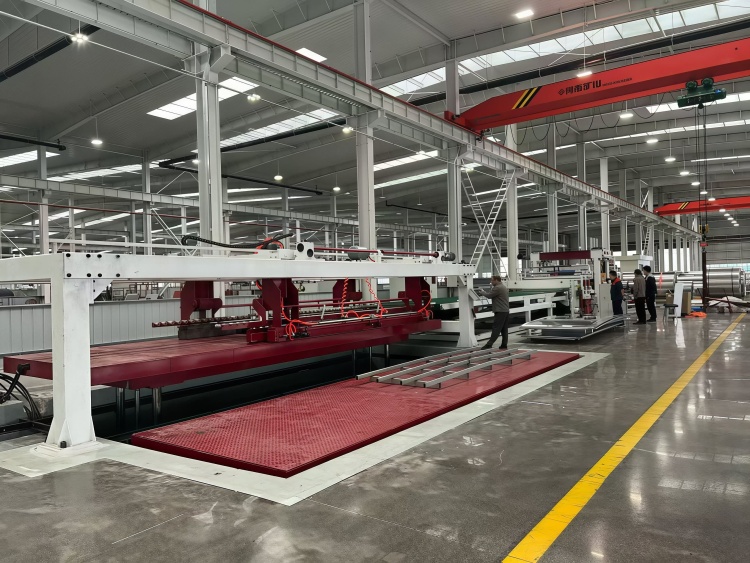
Every shift
- Listen to the cut. A change in sound — a thud, a screech, a double hit — is the earliest warning.
- Check the cut face. Square, clean, consistent burr direction. Any change means stop and inspect.
- Wipe the blade area. Coil dust and scale build-up changes blade contact and makes the cut wander.
- Confirm the safety circuit. Guards in place, e-stop tested, light curtain unobstructed.
Weekly
- Blade clearance. Measure at both ends of the blade; a shear that cuts square on one side and burrs on the other usually has uneven clearance.
- Blade condition. Look for chipping at the entry corner and for a polished wear band — both mean regrind time.
- Guide and slide lubrication. Dry slides produce backlash, and backlash shows up as length error.
- Fasteners. Shear blade bolts and holder clamps work loose under impact; torque them on schedule.
Monthly
- Encoder and measuring roll. Check for slip and for accumulated error over a known length. Length drift is usually measuring roll slip, not the shear.
- Drive and brake response. Measure the return-to-home time and compare to the commissioning record.
- Hydraulic / pneumatic pressure (whichever the shear uses) against spec.
- Blade stack and holder squareness. A worn holder tilts the blade and creates a taper cut.
Quarterly and annual
- Regrind or replace blades based on measured wear and tons cut, not on a calendar.
- Check the shear frame for cracking at stress points, especially on heavy-gauge lines.
- Review the maintenance log for repeat issues: if the same fault returns, the root cause is upstream (strip flatness, tension, alignment).
The three failures worth knowing
- Length drift — almost always measuring roll slip or encoder coupling, not the shear.
- Burr on one side only — blade clearance or holder squareness.
- Double cut / partial cut — timing, home-position sensor, or low pressure.
Our flying shear troubleshooting guide for operators walks through each symptom in more detail.
About FOT
FOT Machinery supplies cut-to-length lines and keeps blades, holders and wear parts available for fast dispatch. If you are comparing shear types, our note on choosing between start-stop and flying shear lines explains when the flying shear is worth the extra cost.
Shear not cutting as square as it used to?
Send us the symptom and cut sample — FOT will help you trace it to blade, guide, or timing.