
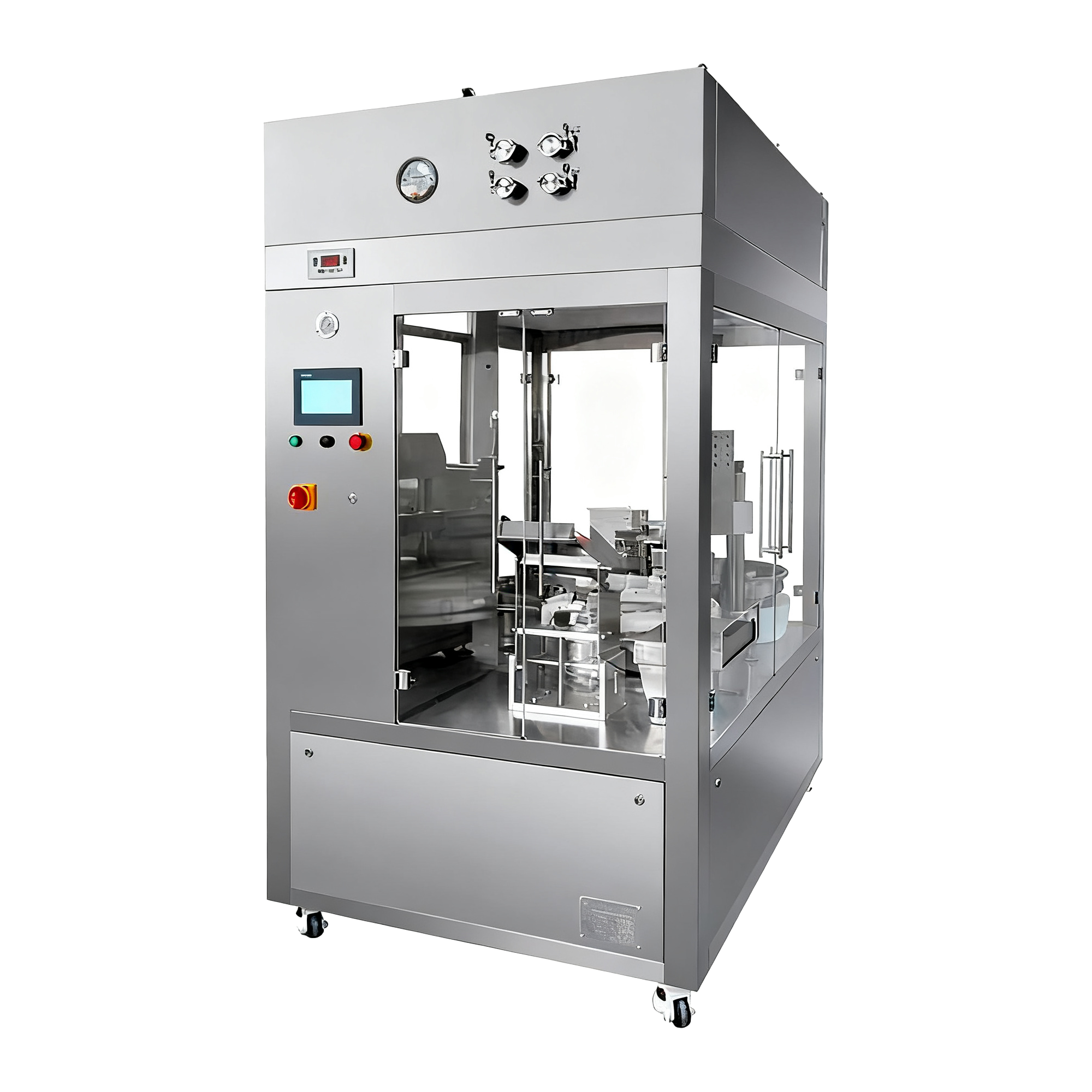
Equipment that sells into Europe, the United States and Southeast Asia must satisfy three related but distinct regulatory expectations, and buyers who map the differences early avoid costly redesign and revalidation. At Honsimba, we configure lines so they can be qualified against more than one pathway rather than a single local standard. Guangzhou Huangzhipai Packaging Machinery Co., Ltd. builds and documents its machines to support international GMP projects. Below is a clear comparison of EU vs FDA vs PIC/S filling compliance, the documents involved, and how to choose a pathway.
1. How Do the EU, FDA and PIC/S Pathways Differ?
The three systems share the same goal — protecting sterile product — but enforce it through different documents and emphasis, and the starting point for understanding EU vs FDA vs PIC/S filling compliance is recognising that they overlap heavily without being identical. Here is how each approaches an aseptic filling line.
- EU GMP Annex 1. Places strong emphasis on a documented contamination control strategy, barrier systems, isolator or RABS use, rigorous environmental monitoring and media-fill qualification.
- US FDA aseptic processing. Centered on the FDA's aseptic processing guidance and current inspection expectations, with heavy focus on process validation, personnel, contamination control and data integrity.
- ASEAN PIC/S. Adopts the PIC/S GMP framework, which closely tracks international — including EU-style — standards, letting compliant local plants be recognised across member authorities and export markets.
- Practical convergence. All three expect qualified, cleanable equipment, traceable materials, validated processes and robust documentation; differences are mainly in format, emphasis and local inspection practice.
| Pathway | Core reference | Distinct emphasis |
| EU | GMP Annex 1 | Contamination control strategy, barriers |
| US | FDA aseptic guidance | Process validation, inspection, data integrity |
| ASEAN | PIC/S GMP | Harmonised, internationally aligned standards |
The reason this matters to a buyer is that a line built to satisfy the stricter shared requirements can usually be qualified for all three with the right documentation, while a machine built to only one local expectation often cannot. At Honsimba, we recommend designing to the highest common denominator from the start.
✅ Bottom line: EU, FDA and PIC/S expect the same sterile fundamentals but with different emphasis and paperwork; designing to the stricter shared requirements lets one line serve multiple markets.
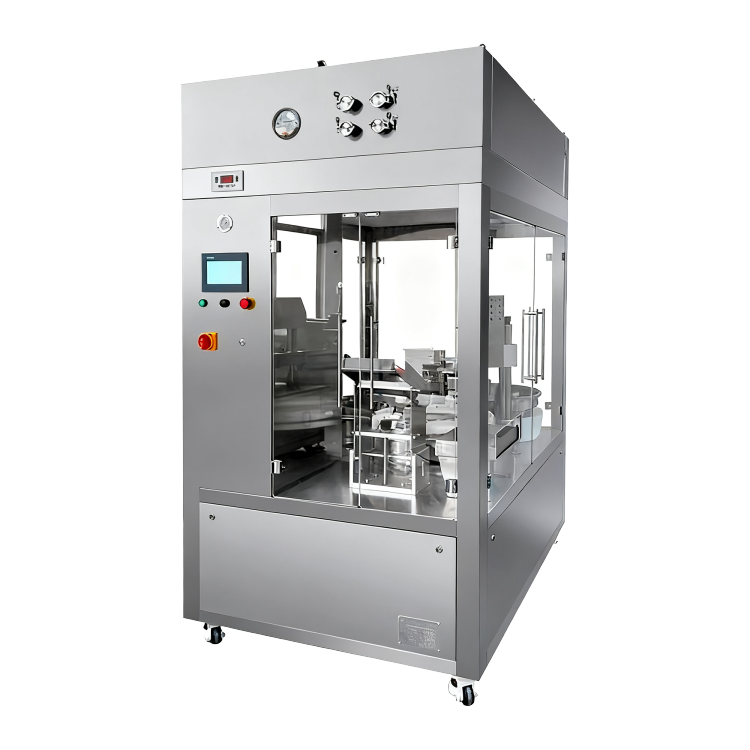
2. Which Pathway Should You Choose — and What Documents Are Required?
Most multi-market buyers should not choose only one pathway, and the answer to what is the difference between aseptic and sterile filling matters because the equipment and documentation must support aseptic processing specifically for products that cannot be terminally sterilised. Get the document strategy right up front.
- Aseptic versus sterile. "Sterile" describes the desired state; aseptic processing is the method used to keep a sterile product sterile during filling, relying on controlled environments, barriers and validated technique rather than final heat sterilisation.
- GMP documentation. Expect material traceability, certificates, drawings, operating manuals and IQ/OQ packages; GMP documentation for imported equipment often also requires supplier and conformity declarations.
- Pick by target market. If you mainly sell in Europe, prioritise Annex 1; for the US, align with FDA aseptic expectations; for ASEAN and many export markets, PIC/S provides a recognised harmonised base.
- Design once, qualify broadly. A barrier-based line with full documentation can be qualified against Annex 1, FDA expectations and PIC/S with market-specific validation rather than separate machines.
- Plan the audit trail. Regulators inspect how parameters and interventions are recorded, so controls that support data integrity protect every pathway.
A practical sequencing question often arises here. Buyers should decide the lead market first, because it sets the validation strategy, then verify the same line against the remaining pathways using its existing documentation. This sequencing is the practical answer to EU vs FDA vs PIC/S filling compliance on a single project: the engineering stays common and only the submission and inspection detail changes. Teams that still need to explain what is the difference between aseptic and sterile filling to internal reviewers should document the aseptic process and its controls explicitly, and they should request GMP documentation for imported equipment before the machine ships. At Honsimba, we assemble this pack early so qualification is not delayed by a missing certificate.
In our own project experience, the buyers who move fastest across markets are those who request the complete document pack and a contamination-control-ready line at the specification stage, not after a first inspection. A capable supplier should explain each requirement rather than simply label a machine "GMP." Buyers placing custom orders with OEM flexibility should list every destination market before production. Upstream readiness is secured by a Sterilize Machine, and the full Filling Machine range can be supplied with the multi-market GMP documentation these pathways demand.
✅ Bottom line: Do not limit the line to one standard; understand aseptic processing, demand the full GMP document pack and design a barrier-based line that can be qualified across all target markets.
FAQ
Q: What is the difference between EU, FDA and PIC/S filling compliance?
A: All three require sterile, validated, well-documented lines. EU Annex 1 stresses a contamination control strategy and barriers, FDA stresses process validation and data integrity, and PIC/S provides a harmonised, internationally aligned ASEAN framework.
Q: What is the difference between aseptic and sterile filling?
A: Sterility is the end condition; aseptic filling is the controlled process that maintains sterility without terminal sterilisation, using cleanrooms, barriers and validated technique for sensitive biologics.
Q: What GMP documentation should accompany imported equipment?
A: Material and component certificates, supplier conformity declarations, drawings, manuals and IQ/OQ documentation, with additional market-specific files depending on the destination regulator.
Planning a line for Europe, the US, ASEAN or all three? Send Honsimba your destination markets, container format and output, and Guangzhou Huangzhipai Packaging Machinery Co., Ltd. will provide a barrier-ready configuration with the GMP documentation and accuracy target each pathway requires — talk to our manufacturer team.
Published: November 2026, By Honsimba Technical Team (Guangzhou)