
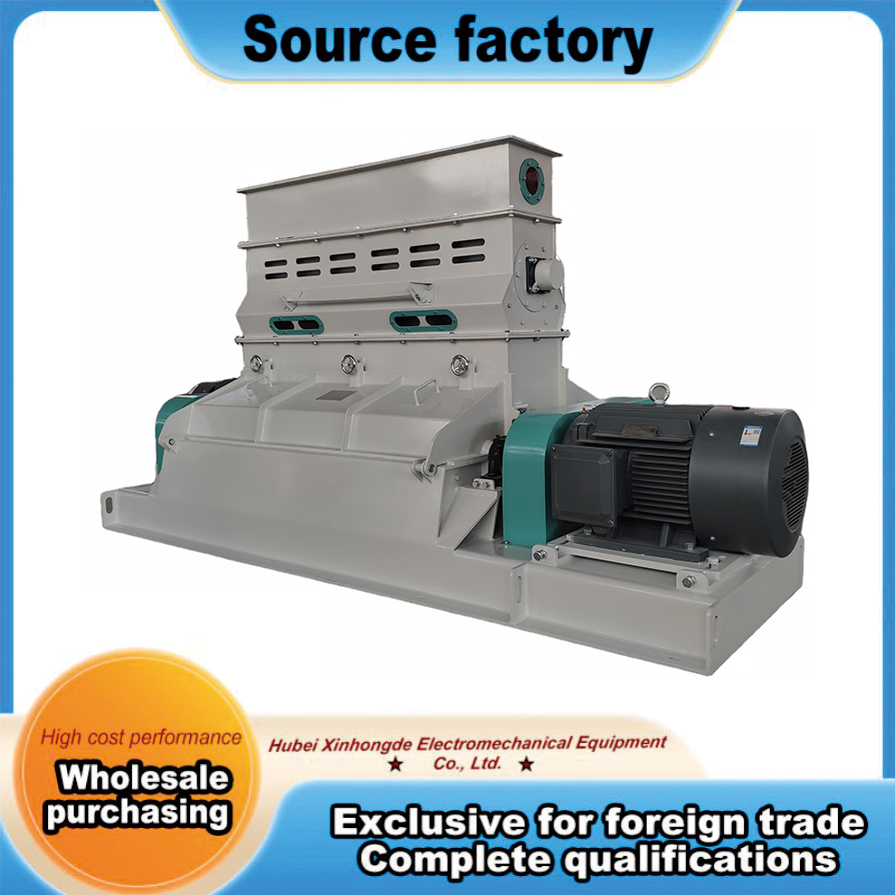
Anyone comparing drum coater vs vacuum coater for fish feed pellets is really asking one question: where does the oil end up? This guide answers it with inclusion numbers, cost data, and a species-by-species decision table.
1. How Much Oil Can Be Added to Extruded Fish Feed — and Where Does It Go?
Extruded pellets can physically hold 20–40% oil, but only vacuum coating can put it there — a drum sprayer tops out at 3–5% because it can only wet the surface. Extrusion leaves pellets full of open pores. A drum rolls pellets through a spray curtain: oil lands on the outer surface, wicks a fraction of a millimeter inward, and everything beyond the surface layer stays empty. Push a drum past roughly 5% and the excess has nowhere to go — it migrates to the bag, which is exactly how greasy bags and pond-surface oil films happen.
A vacuum coater works in the opposite direction. Air is pulled from the pellet pores down to –0.08 to –0.095 MPa, oil is injected, and atmospheric pressure pushes it deep into the pore structure when the vacuum releases. That is why inclusion jumps to 20–40% (high-fat trout feed demands this range) and why the oil is no longer sitting on the surface where water can strip it off.
|
Factor |
Drum Coater |
Vacuum Coater |
|
Coating mechanism |
Surface spray, rolling action |
Vacuum impregnation into pores |
|
Oil inclusion limit |
3–5% (some units claim 7%) |
20–40% (4–40% range documented) |
|
Uniformity |
Surface-dependent; CV rarely guaranteed |
CV ≤7% achievable |
|
Oil temperature |
Spray works but must preheat to 50–60°C |
Same preheat; injection requires stable viscosity |
|
Typical price |
$4,500–12,000 FOB |
$20,000–80,000 |
|
Cycle mode |
Continuous, follows line speed |
Batch, 5–15 min per cycle |
|
Main failure mode |
Oil weeping, fines, pond oil film |
Vacuum leaks, pump maintenance |
The water-stability consequence is the part buyers underestimate. Surface oil dissolves into pond water within minutes of feeding — wasted oil, an oil film, and a feed that loses attractability fast. Vacuum-impregnated oil releases slowly from inside the pellet, which is one reason shrimp feed mills committed to 2–4 hour water stability keep moving to vacuum. Vitamin coating benefits too: post-extrusion vitamins applied under vacuum show retention above 95%, because heat treatment is long finished. At XHD both technologies are built side by side, so these figures come from production testing rather than brochure claims.
✅ Bottom line: Drum coating paints the surface and stops near 5% inclusion; vacuum fills the pores and changes how the oil behaves in water.
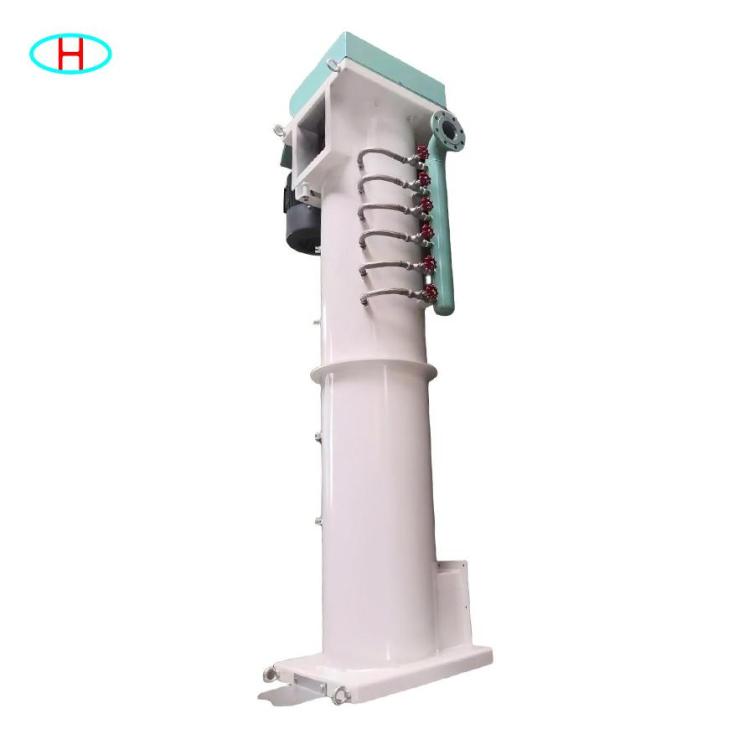
2. When Is the Price Gap Worth It? Matching Coater Type to Feed and Budget
The decision rule is target fat inclusion and species — not machine price. Run the drum coater vs vacuum coater for fish feed pellets comparison through three filters: inclusion physics, species targets, and total cost of ownership. A drum unit is the correct, honest answer for some plants; vacuum is non-negotiable for others. Ask first how much oil can be added to extruded fish feed in your recipe, and the machine choice follows.
|
Feed Type |
Target Fat |
Right Choice |
Why |
|
Floating tilapia / catfish |
3–5% |
Drum |
Cheap, continuous, inclusion is genuinely enough |
|
Largemouth bass feed |
9–10% |
Vacuum |
Beyond drum's ceiling; the "sweet spot" needs pores |
|
Shrimp feed |
6–10% + stability |
Vacuum |
Surface oil destroys the 2–4 h water stability target |
|
Trout / salmon / marine |
18–35% |
Vacuum (two-stage) |
Only pore impregnation reaches this range |
Three financial notes worth running before you decide:
- Oil savings. Surface oil is the oil you lose — to bag liners, to fines, to pond water. Mills that switched to vacuum report surface oil loss down about 80% and overall fat dosing savings in the range of tens of RMB per ton, which on a 3 t/h line running two shifts compounds fast. The savings math is why the 2–3× purchase premium narrows in practice.
- Price transparency. When comparing pellet oil coating machine price for fish feed plant quotes, remember a drum quote is complete at the machine. A vacuum quote must include the vacuum pump group, seals, and controls — ask whether the $20,000–80,000 figure covers them, or you will discover the real price at commissioning.
- Small plants under 1 t/h: stay with a drum and a good preheater. Batch vacuum economics only work above roughly 1–2 t/h, and most vacuum systems are built as custom OEM configurations anyway.
When buyers ask us at XHD which one to buy, we answer with their species table, not our catalog — we manufacture both drum and vacuum coaters in-house at our Hubei facility, so there is no incentive to force one technology. As a China manufacturer supplying both, our standard advice: if your current recipe fat is under 5% and stays there, bank the difference; if you plan shrimp, bass, trout or export-grade feed within two years, buy vacuum once and grow into it rather than re-buying later.
✅ Bottom line: Under 5% fat, buy a drum and save; at 8% fat or above, or where water stability sells feed, vacuum pays for itself.
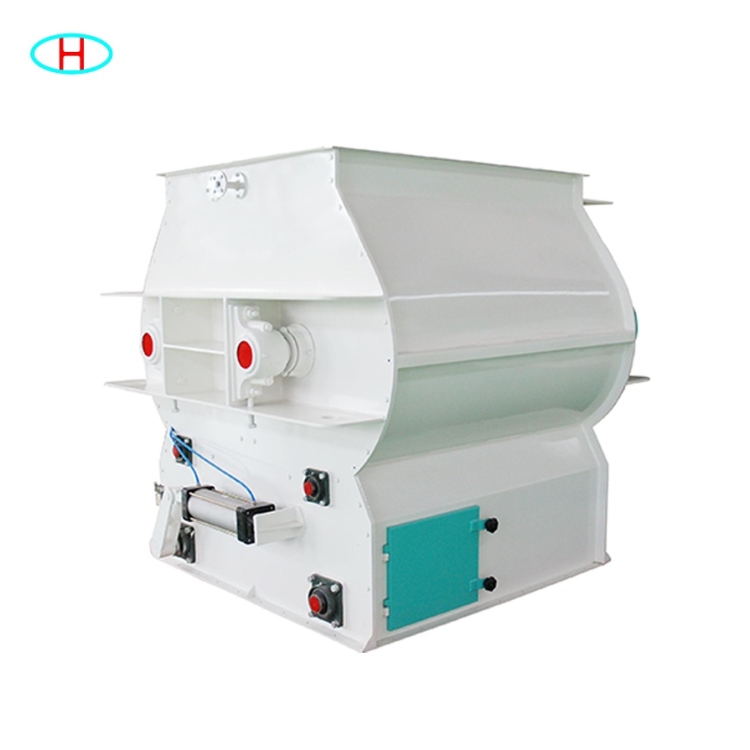
FAQ
Q: Can a drum coater reach 10% fat inclusion with multiple passes?
A: No, not usefully. Each extra pass stacks more oil on the same surface layer, and past roughly 5% the surplus weeps into bags or sticks to fines. When someone asks drum coater vs vacuum coater for fish feed pellets at 10% fat, the answer is already vacuum — the physics does not negotiate.
Q: How much oil can be added to extruded fish feed without quality problems?
A: Depends on the method: 3–5% surface coating by drum, up to 20–40% with vacuum impregnation. Either way, oil must arrive preheated to 50–60°C and pellets must be below 40°C when coated — warm pellets plus hot oil is the classic recipe for oil migration and clumping.
Q: What should a pellet oil coating machine price for fish feed plant include?
A: For drums: the drum, spray nozzles, dosing pump and preheater. For vacuum systems: the pressure vessel, vacuum pump group, oil injection system, PLC controls and seals — confirm each item in writing. Beixin Hongde Mechanical Equipment Co., Ltd. (brand XHD) quotes complete systems factory direct with guaranteed oil CV, and supports OEM/ODM configuration for lines from 0.5 to 10 t/h through our wholesale export channel.
CTA: Get a Coating Trial on Your Own Recipe
Send us your target species, current fat inclusion, and line capacity, and the XHD engineering team will return a coating-method recommendation with inclusion test data and an itemized quote for both drum and vacuum options — free, because we build both and have no reason to push either. If you can send a pellet sample, we will run a coating trial and share the CV and water-stability results.
? Contact Beixin Hongde Mechanical Equipment Co., Ltd. for custom coater configurations and factory-direct pricing.