
Working Principle and Application Advantages
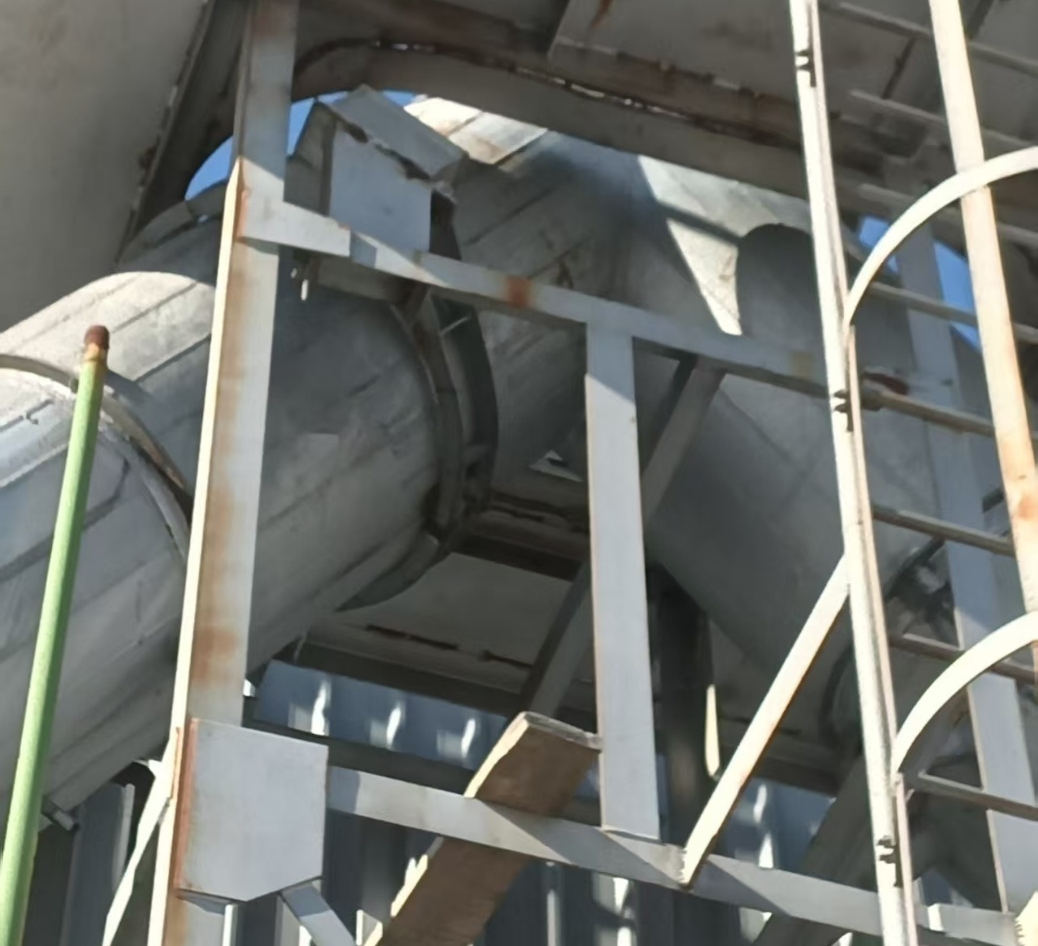
The SQ-75T diaphragm Acoustic Soot Blower takes clean compressed nitrogen as power to drive high-temperature resistant titanium alloy diaphragms to oscillate, converting pressure energy into low-frequency high-energy sound waves. The uniform sound field spreads inside the flue. With good diffraction and penetration performance, sound waves weaken the adhesion between tar, dust and metal surfaces. Ash layers develop fatigue cracks, and loose dust flows into settling bins or downstream dust removal equipment with flue gas. It is non-contact flexible cleaning without touching the flue plate and can run 24 hours online without shutdown.
Different from impact-type Shock Wave Soot Blower, this acoustic cleaning solution brings no impact or abrasion to flue structures, effectively preventing CO gas leakage. It cleans dead zones such as elbows and reducers that rapping and nitrogen blowing cannot reach. The whole set adopts explosion-proof electric components and uses nitrogen as the power medium to match the explosive furnace gas environment. The explosion-proof PLC control box supports independent setting of cleaning cycles and DCS interconnection. Compared with conventional Boiler Acoustic Soot Blower designed for boiler heating surfaces, this version adds special sealing and anti-tar fouling upgrades to adapt to calcium carbide furnace gas pipelines. It has no rotating wearing parts and only simple daily inspection work.
Segmented Layout Plan
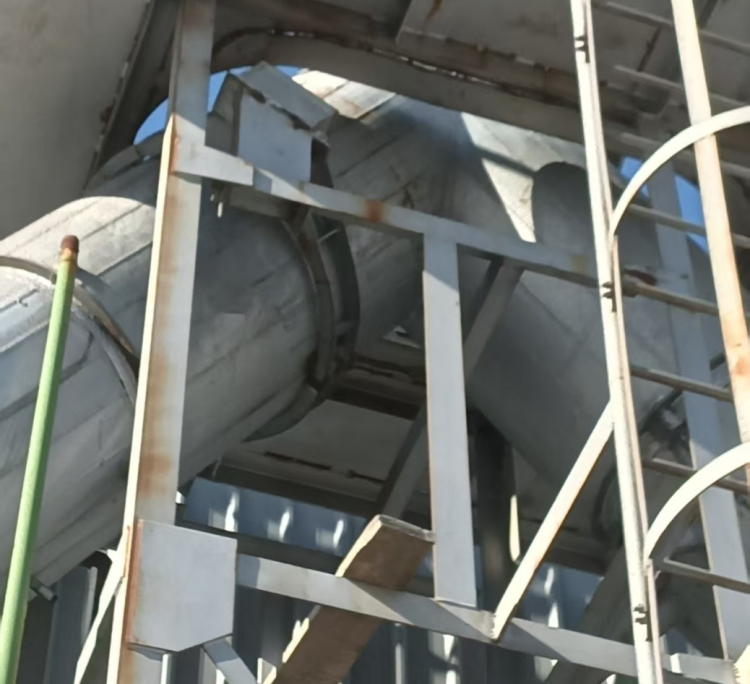
According to the flue direction, temperature zones and high-fouling points, the Acoustic Soot Blower units are arranged in segmented matrix. Units are installed on high-temperature water-cooled flues to remove loose carbon lime in advance. Extra units are set at elbows and reducer sections to tackle sticky ash mud. Additional units on the top and side walls of settling bins prevent dust bridging and blockage of discharge outlets. An independent explosion-proof nitrogen pipeline and separate control cabinets with fault alarm function are configured. The system can be installed during monthly short maintenance shutdowns, with on-site installation guidance, commissioning and safety training provided by the supplier.

Field Operation Results
After commissioning, continuous hard tar ash accumulation on flue walls is eliminated. Flue pressure difference remains stable within the design range. Monthly shutdown manual cleaning is cancelled and the calcium carbide furnace maintains stable full-load operation. Water cooling heat transfer efficiency returns to standard. Bag burnout and bag clogging failures drop greatly, the filter bag service life is more than doubled, and exhaust emissions stay qualified. The risk of flue cracking and gas leakage caused by mechanical rapping is removed. High-risk confined-space manual cleaning work is eliminated to lower safety management pressure. The equipment features low failure rate, one-year full warranty and rapid on-site technical support to guarantee uninterrupted gas purification.
FAQ
- Is the diaphragm acoustic soot blower safe for CO-rich calcium carbide furnace gas ducts? Yes. It adopts full explosion-proof configuration and nitrogen power supply. No mechanical impact will damage the flue and trigger gas leakage.
- What is the difference between this model and boiler acoustic soot blower? Standard Boiler Acoustic Soot Blower is optimized for boiler heat exchange surfaces. This customized model is enhanced with sealing and anti-sticky-tar designs for hazardous calcium carbide furnace gas conditions.
- Can acoustic soot blower work with shock wave soot blower? Yes. Shock Wave Soot Blower is suitable for thick hardened ash, while Acoustic Soot Blower performs continuous preventive cleaning to stop dust from forming hard deposits.