
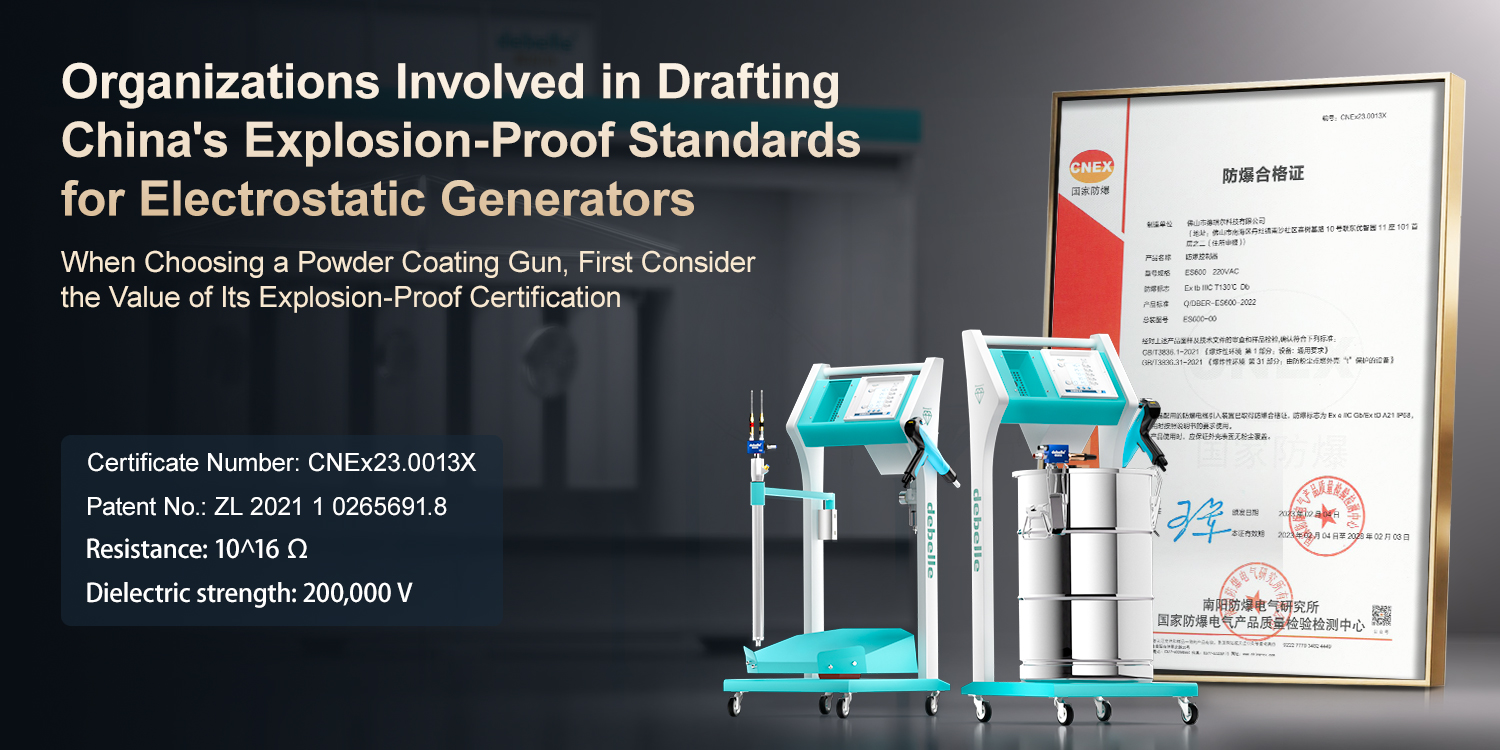
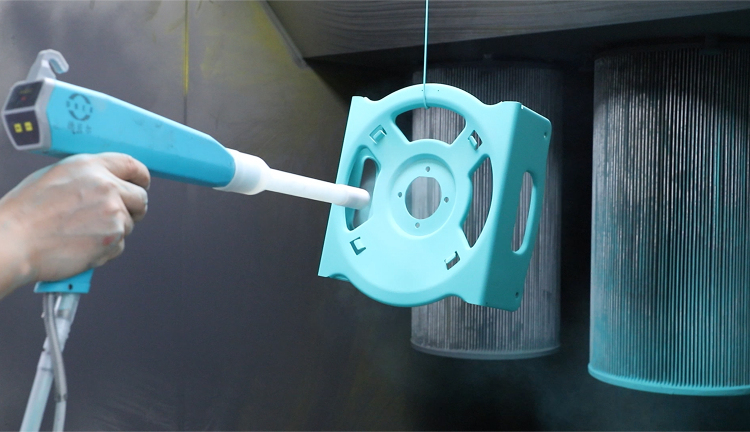
Why Is Explosion-Proof Certification the First Hurdle for Powder Coating Guns?
International buyers should verify that explosion-proof certifications are complete, traceable, and issued by a qualified manufacturer. Companies involved in drafting explosion-proof standards typically understand testing requirements and structural limitations more deeply, allowing safety compliance to be built into the product design from the beginning.
What Key Criteria Should a High-Quality Explosion-Proof Certification Include?
| Verification Items | High-Value Indicators | Note |
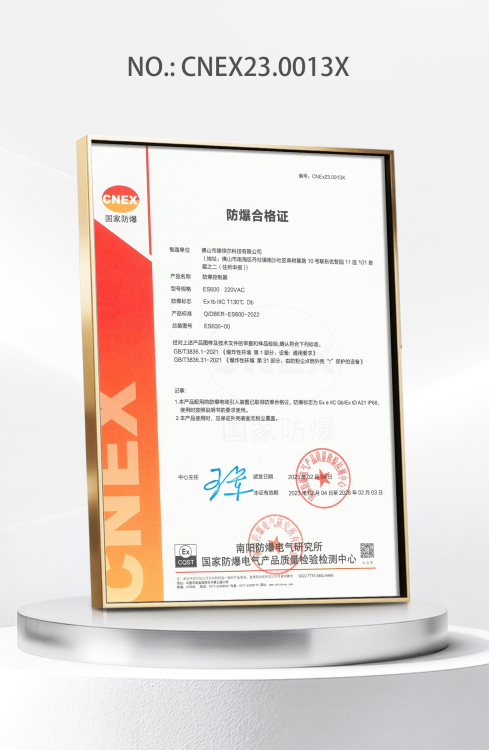
| Explosion-Proof Certificate Number | CNEx23.0013X | Independent CNEx explosion-proof certification; the certificate number can be looked up and verified within the certification body’s system. |
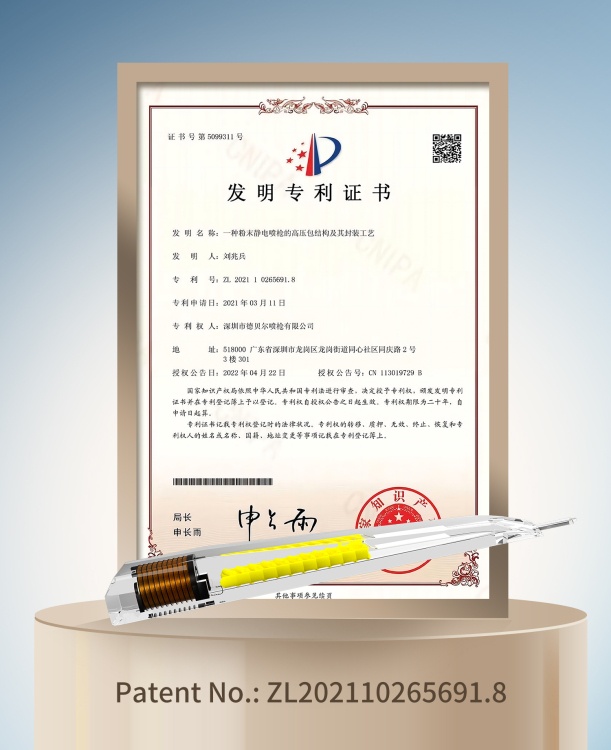
| Anti-Static Process for High-Voltage Packages | TPT Three-Step Anti-Static Process Invention Patent (ZL 2021 1 0265691.8) | Develop proprietary intellectual property related to anti-static protection for high-voltage packs, rather than relying on off-the- shelf solutions |
| Insulation Resistance of Materials | ≥ 10^16 Ω | The use of high-insulation materials helps prevent static buildup and reduces the risk of arcing. |
| Rated Voltage | 200,000 V | Withstands high-voltage surges from electrostatic generators and is resistant to breakdown even during long-term use |
| Water Immersion Test | Soak in 1 meter of water for 8 hours | Verification of Structural and Insulation Reliability in Damp and High-Humidity Spraying Environments |
CNEx Explosion-Proof Certification and CE Certification: They Are Not the Same Thing
| Dimensions of Comparison | CNEx Explosion-Proof Certification | CE Certification |
| Nature of Certification | Independent Specialized Certification for Electrical Equipment Intended for Use in Explosive Atmospheres | General Compliance Mark for Market Access in the European Union |
| Key Areas Covered | Explosion-Proof Design, Temperature Limits, Spark and Static Electricity Control | General Requirements for Product Safety, Environmental Protection, and Electromagnetic Compatibility |
| Explosion-Proof Conclusions | Specify the explosion-proof rating and the applicable dust/gas environment | Does not independently certify that the product is explosion-proof |
| Certificate Format | Independent Explosion-Proof Certificate (e.g., CNEx23.0013X) | CE Declaration of Conformity or corresponding certificate |
| Purchasing Tips | Dust-generating spraying environments must be verified separately. | Cannot replace explosion-proof certification |
Drafting Organizations and Patent Inventions: Where Does the Technical Value Come From?
1. Standards Drafting Organization: Participated in drafting China’s explosion-proof standards for electrostatic generators, demonstrating direct knowledge of explosion-proof design, material selection, testing requirements, and regulatory development.
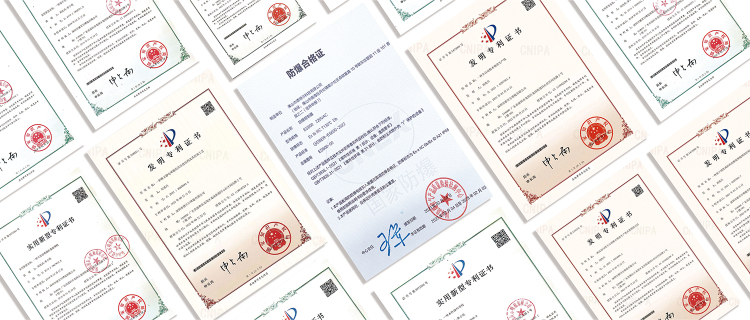
2. Invention Patent: The patented TPT triple-protection anti-static process (ZL2021 10265691.8) covers the high-voltage pack’s anti-static design, providing verifiable intellectual property rather than an unsupported technical claim.
3. Traceable Certification: CNEx23.0013X is an independent explosion-proof certificate with a verifiable number, supporting traceability for customers, auditors, and downstream manufacturers.
Checklist for Purchasing Explosion-Proof Powder Coating Guns for International Trade
Before ordering, verify the following items rather than relying only on quotations or sample appearance:
- Obtain the original or scanned explosion-proof certificate and confirm that its number, such as CNEx23.0013X, matches the certificate holder and product model.
- Confirm that it is an independent CNEx certificate, not a CE mark or another compliance document.
- Verify the high-voltage module’s anti-static process patent number (ZL 2021 1 0265691.8) and the relationship between the patent holder and manufacturer.
- Check the material specifications: insulation resistance ≥10^16 Ω, withstand voltage of 200,000 V, and an 8-hour immersion test at a depth of 1 meter.
- Confirm that the applicable dust-environment category and temperature class match the actual coating conditions.
- Request supporting documents, including proof of participation in standards drafting and relevant test reports, to establish a complete verification chain.
Before export, also confirm the destination market’s explosion-proof and market-access requirements to prevent certification discrepancies.
FAQ
A: This unique CNEx certificate number confirms that the equipment has undergone a specialized explosion-proof assessment for explosive atmospheres. Its status, holder and applicable product models can be verified through the certification body’s system.
A: Yes. CE is a general EU market-access mark and does not certify explosion-proof performance. Powder coating environments require separate verification of a CNEx explosion-proof certificate; CE and CNEx are not interchangeable.
A: The high-voltage pack is the core of the electrostatic generator, and its anti-static design directly affects spark and static-buildup risks. The patented TPT triple-protection anti-static process (ZL 2021 1 0265691.8) demonstrates proprietary expertise in this critical component rather than reliance on generic third-party parts.