
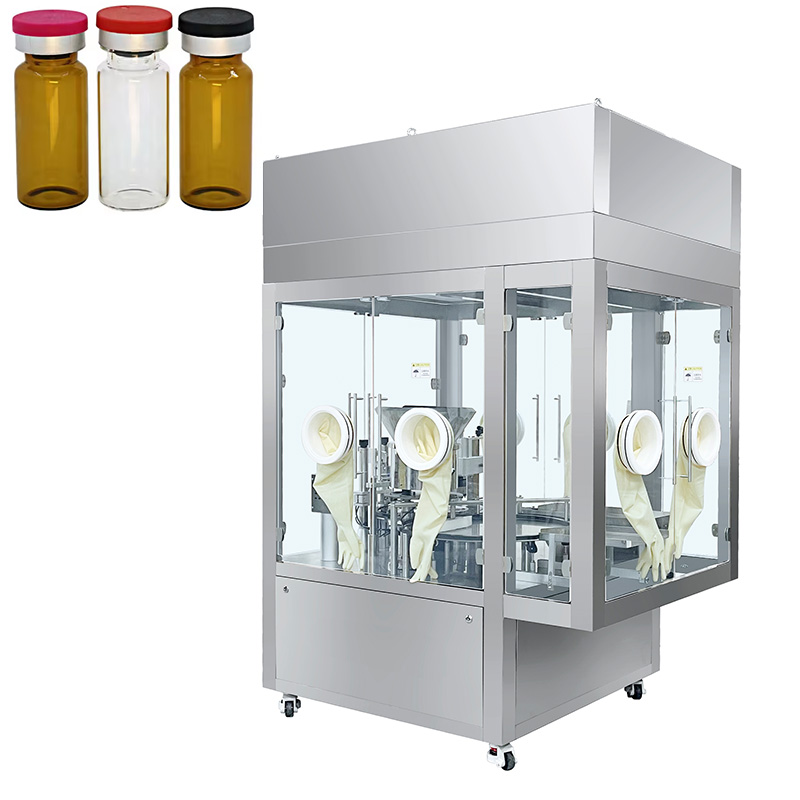
The cheapest filling machine is rarely the cheapest investment on an injectable line, and buyers who focus only on the quote discover cheap vs GMP-ready filling line risk only after a batch fails or a regulator raises findings. At Honsimba, we regularly help buyers compare a low-cost machine against a GMP-ready configuration, and the difference is almost always in quality, validation and lifetime cost. Guangzhou Huangzhipai Packaging Machinery Co., Ltd. builds lines designed to be qualified rather than merely to run. Below is an honest explanation of where the savings illusion comes from and what it actually costs.
1. What Makes a Cheap Filler Different from a GMP-Ready Line?
The difference is structural, not cosmetic: a low-cost filler is built to move liquid, while a GMP-ready line is built to be validated, and the core cheap vs GMP-ready filling line risk is that the missing features only surface during qualification or production. Compare the two on the points that regulators care about.
- Documentation. A GMP-ready supplier provides material certificates, component traceability, drawings and IQ/OQ packages; a cheap machine often ships with little more than a manual.
- Product-contact design. GMP lines use documented stainless-steel grades, crevice-free construction and cleanable fluid paths; budget machines may use unnamed materials and hard-to-clean joints.
- Accuracy and control. Precision dosing systems and PLC-controlled recipes support repeatable fills and audit trails; basic timers and open controls do not.
- Barrier and sterility compatibility. A GMP-ready design fits RABS or isolator integration; a generic filler is difficult or impossible to enclose properly.
- Supplier engineering. A capable manufacturer supports validation and modification; the seller of a bargain machine frequently cannot.
| Feature | GMP-ready line | Cheap filler |
| Validation documents | Provided | Missing or minimal |
| Material traceability | Full | Unverified |
| Filling accuracy | Tested, documented | Claimed, not proven |
| Barrier integration | Designed for it | Usually not possible |
| Engineering support | Ongoing | Little or none |
The reason this matters financially is that a missing document or unqualified material is not a small inconvenience; it can block a licensed batch entirely. At Honsimba, we see buyers treat the GMP package as optional only until their first audit, at which point retrofitting is far more expensive than specifying it up front.
✅ Bottom line: A cheap filler moves product but cannot be validated or enclosed reliably; the missing documents, materials and controls are precisely what turn a low quote into a compliance failure.
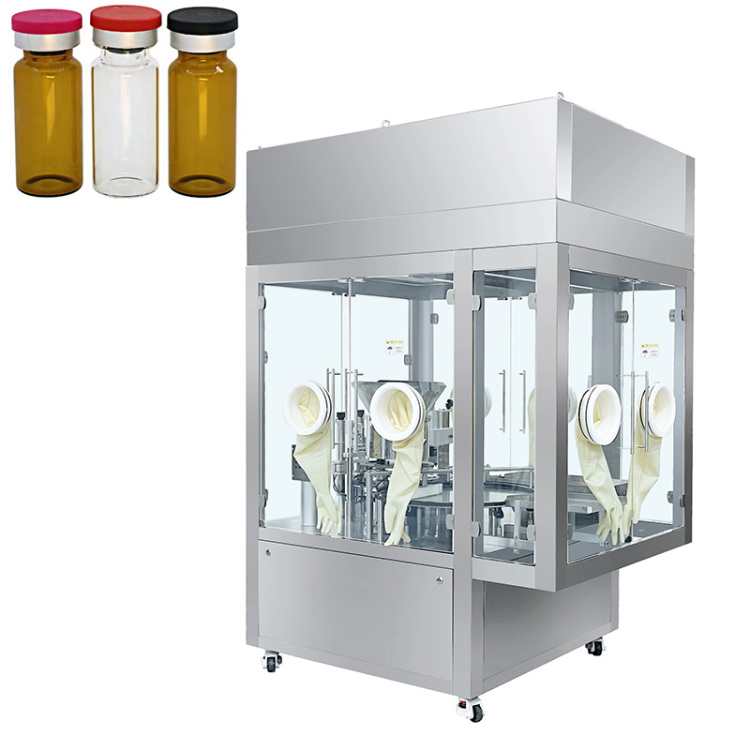
2. What Does the Lowest Price Really Cost Over the Line's Life?
The true cost appears after purchase, and evaluating total cost of ownership filling machine quality reveals that downtime, revalidation and scrap on a bargain line routinely exceed the initial saving — the same logic applies when weighing a used vial filler vs new reliability for a fresh project. Look beyond the invoice.
- Rejected and reworked batches. Inaccurate or inconsistent filling produces scrap, investigations and delayed releases on high-value injectables.
- Downtime and changeover. Inexpensive machines with manual setup run fewer saleable hours and need more operator attention.
- Retrofit and revalidation. Adding barrier compatibility, better controls or traceable materials later costs both capital and a second validation cycle.
- Spare-parts risk. Unsupported or non-standard parts create long stoppages, a key factor in used vial filler vs new reliability decisions.
- Opportunity cost. A line that cannot pass inspection delays market entry and forfeits orders while competitors supply.
These costs tend to be invisible at quotation time, which is why a disciplined buyer insists on evidence of total cost of ownership filling machine quality rather than accepting an unsupported discount. Ask for expected yield targets, documented changeover time and a written service commitment before the order; that is precisely where the cheap vs GMP-ready filling line risk becomes measurable instead of theoretical.
The practical way to decide is to request a lifetime comparison covering purchase, installation, qualification, expected yield, changeover, spares and service response. In our own factory data, a properly specified Honsimba line with documentation and support typically protects far more value through yield and uptime than a buyer saves on the initial quote. Buyers placing custom orders with OEM flexibility should lock the GMP target and materials before production, not after. Downstream, consistent stoppering is secured by a Sealing Machine, and the complete Filling Machine range is built to be validated from the start rather than retrofitted under audit pressure.
✅ Bottom line: Count scrap, downtime, retrofit, revalidation, spares and delayed entry; on injectable lines these lifetime costs routinely exceed the discount a cheap or used filler appears to offer.
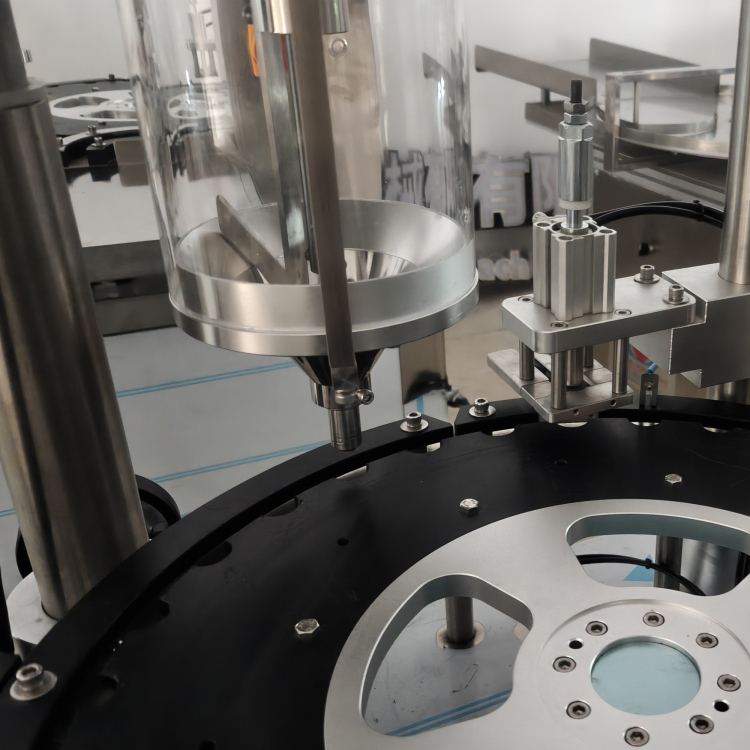
FAQ
Q: What is the main cheap versus GMP-ready filling line risk?
A: Discovering too late that the machine cannot be validated — missing material records, weak controls and no barrier compatibility can block GMP batches, and fixing them after delivery costs far more than the saving.
Q: Does a higher-quality filler really cost less overall?
A: Usually, once yield, uptime, qualification and spares are included. A documented line that runs consistently and passes inspection avoids the scrap and delays that dominate total cost of ownership.
Q: When might a used vial filler be acceptable?
A: Only for non-GMP or low-risk work when its history, materials and parts support are fully known; for a regulated injectable, a new supported line is almost always the safer choice.
Evaluating a budget filler against a GMP-ready line? Send Honsimba your vial format, fill volume, GMP target and output, and Guangzhou Huangzhipai Packaging Machinery Co., Ltd. will provide a specification with accuracy targets and validation support — talk to our manufacturer team for a clear comparison.
Published: November 2026, By Honsimba Technical Team (Guangzhou)