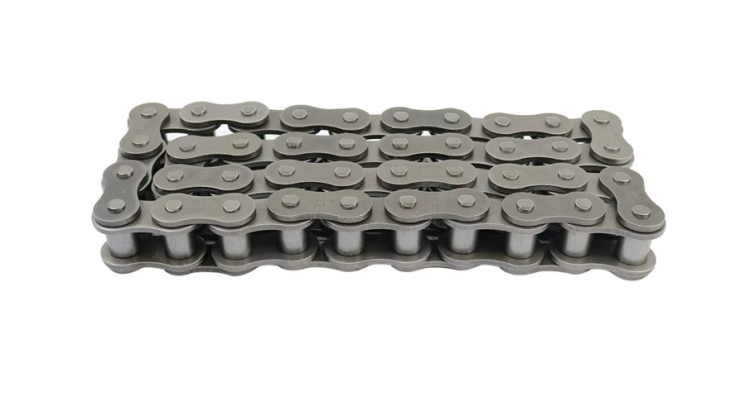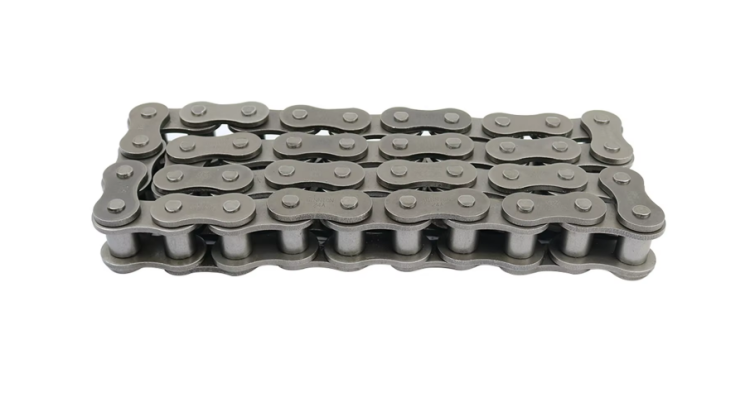
Carbon steel is the workhorse for dry, indoor operations. It offers high tensile strength at a low cost, making it perfect for moving heavy pallets or automotive parts. The catch is rust. If there is any moisture or washdown, carbon steel will corrode quickly. It also requires regular lubrication to keep the pins from seizing.
When you step into a food processing plant or a chemical facility, stainless steel is non-negotiable. It handles daily washdowns with caustic chemicals without rusting. The trade-off is that stainless steel has a lower tensile strength than carbon steel. You often need a larger, heavier chain to handle the same load.
This is where careful system design matters. In a bakery, a stainless steel chain might be used to drive an open Wire Mesh Conveyor Belt, allowing heat to pass through the product. In heavier steel mills, you might see a solid Metal Conveyor Belt supported by heavy-duty alloy chains.
Alloy steel is the answer for brutal, heavy-duty environments like mining or cement plants. Through specialized heat treatment, alloy steel achieves extreme surface hardness to resist abrasive dust, while maintaining a tough core to survive shock loads. It is not cheap, but it survives where standard carbon steel would snap in weeks.
Look at your actual operating conditions: moisture, temperature, and abrasion. Match the metal to the environment, not just the budget.