
Automotive Class-A Surface Mold Tooling: A Strategic Blueprint for Consistent Exterior and Interior Plastic Finishes
Nov 20, 2026
Texture Uniformity and Warpage Control: The Technical Roadmap for High-Visibility Automotive Components
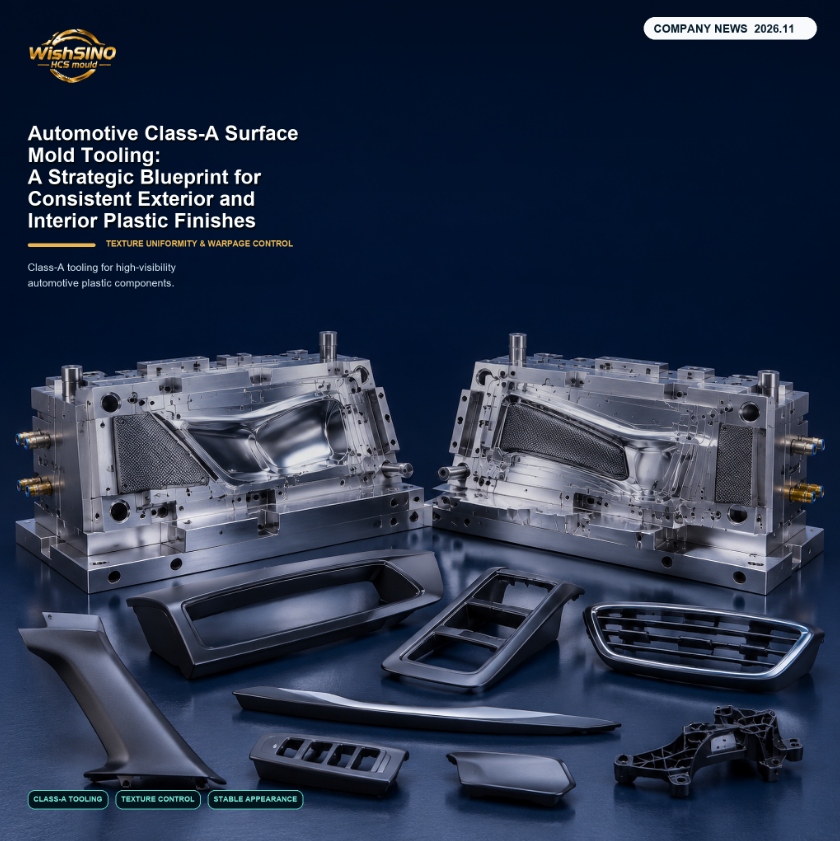
Automotive brands are asking plastic components to deliver more than lightweight structure. Instrument panels, center-console bezels, door trim, grille surrounds, pillar garnishes, switch panels, and sensor covers must maintain a controlled visual surface across changing light, viewing angles, and production batches. For procurement teams, the tooling decision therefore affects brand perception, rework exposure, assembly fit, and the cost of every approved part. [Automotive Class-A Surface Mold Tooling] connects cavity finish, texture transfer, cooling balance, parting-line strategy, and inspection evidence into one production-focused program.

The first engineering priority is [Automotive Texture and Surface Finish Control]. A durable mold must translate the approved grain, gloss, or polished surface into the part without creating visible flow marks, drag lines, sink, flash, or inconsistent texture depth. Toolmakers need to coordinate gate location, steel preparation, venting, draft, shutoff design, cooling layout, and ejection direction with the part’s styling intent. Replaceable texture inserts and serviceable surface regions can also reduce the disruption caused by a localized appearance defect.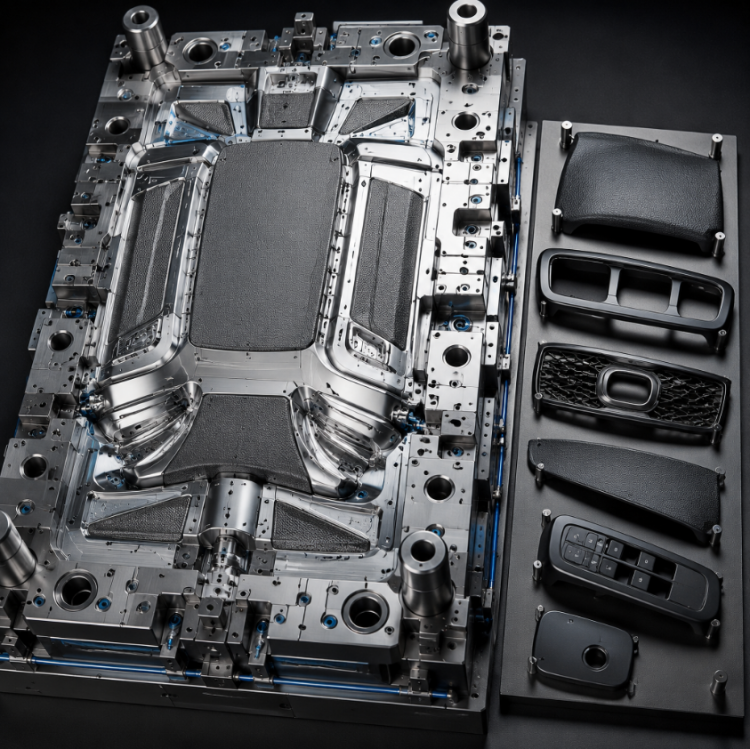
For automotive buyers, [Repeatable Class-A Plastic Components] means that a door garnish, console bezel, trim panel, grille surround, or sensor cover can pass appearance and fit checks throughout a production run. A useful quality plan links cavity identification with controlled lighting inspection, critical interface measurement, gap-and-flush review, warpage checks, and retained samples. When tooling evidence is connected to process records, the supply team can investigate a surface deviation without treating every visual complaint as an unexplained production event.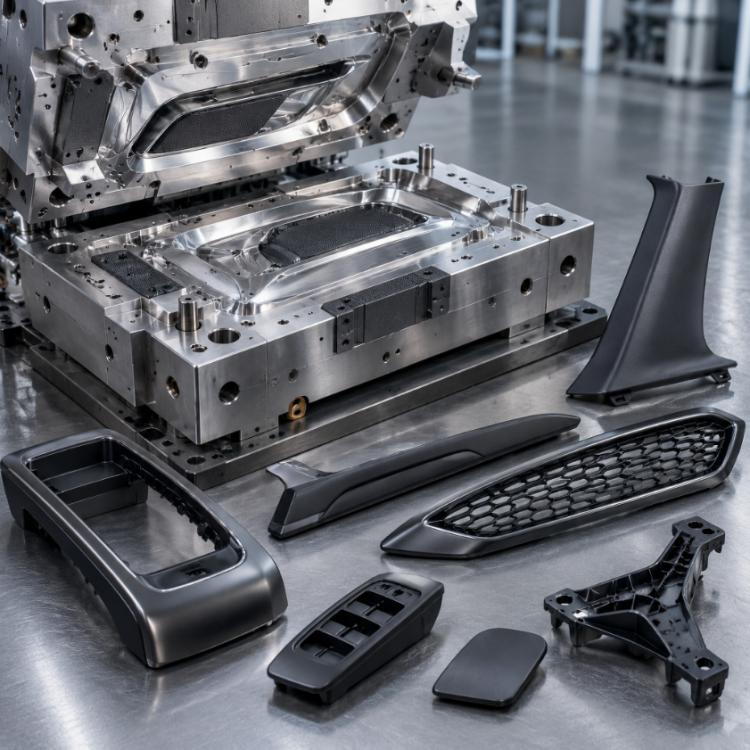
Serviceability is equally important because high-visibility parts often remain in production through model updates, regional variants, and extended service periods. Access to texture inserts, vents, ejectors, slides, and cooling circuits should support planned inspection rather than emergency intervention. Clear spare-part definitions, surface-protection procedures, restart checks, and change records help control the risk of an appearance defect reaching assembly. When styling approval, mold engineering, process qualification, and inspection criteria are aligned early, automotive programs gain a more dependable path from design release to stable production.