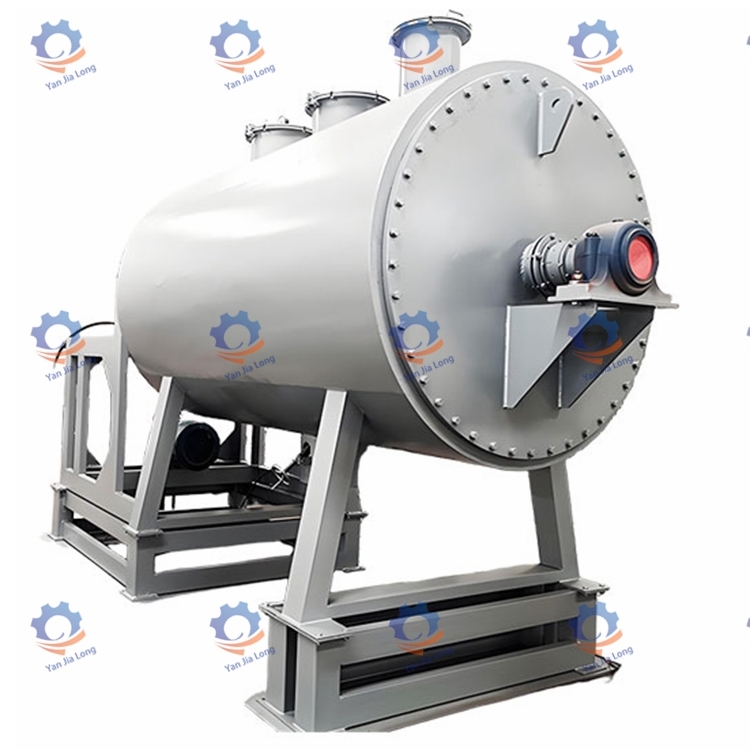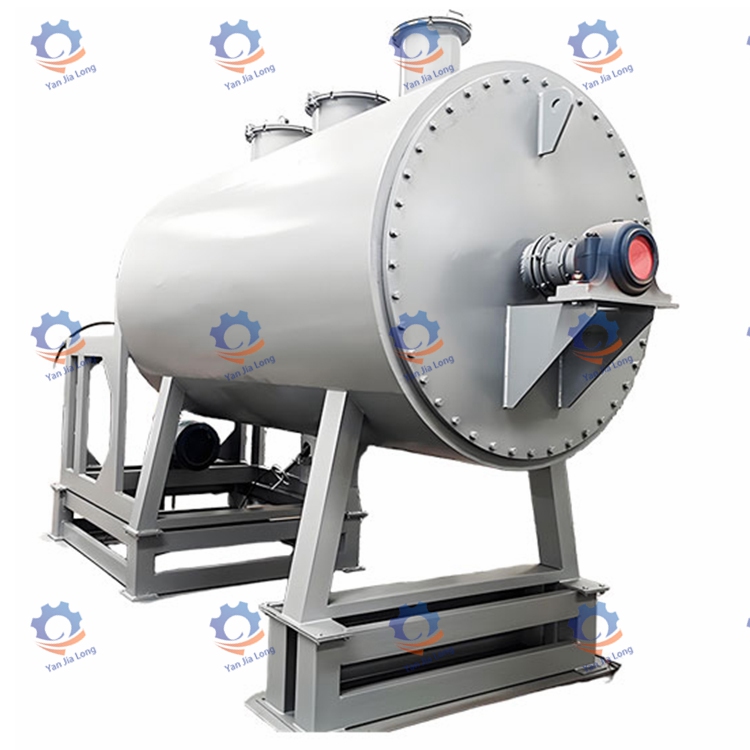
Automatic Quality Vacuum Harrow Dryer Solution
Overview
The Vacuum Harrow Dryer is a conduction-type drying equipment designed for processing heat-sensitive, easily oxidized, or solvent-recovery materials. This automatic solution integrates precision control systems with the core drying mechanism to achieve consistent output quality across batches.
Working Principle
The Vacuum Harrow Dryer operates under negative pressure conditions, lowering the boiling point of moisture within wet materials. A rotating harrow agitator continuously turns and mixes the material bed inside a jacketed vessel, ensuring uniform heat transfer from the heated wall surface to every particle. The combination of vacuum environment and mechanical agitation accelerates evaporation while preventing thermal degradation.
Automation Features
This solution incorporates PLC-based control that monitors and adjusts key parameters in real time:
- Temperature regulation: Jacket heating medium temperature is controlled within ±1°C tolerance throughout the drying cycle.
- Vacuum level management: Automatic valve actuation maintains target pressure, adapting to changing evaporation rates during different drying phases.
- Agitator speed adjustment: Variable frequency drives modify rotation speed based on material viscosity changes detected through torque feedback.
- Endpoint detection: Inline moisture sensors or exhaust gas analysis determine drying completion without manual sampling.
Quality Assurance Integration
The automatic system records all process data—including temperature curves, pressure logs, and agitation profiles—for each batch. This traceability supports compliance requirements in pharmaceutical and fine chemical applications. Alarm thresholds trigger corrective actions before deviations affect product specifications.
Applicable Materials
The Vacuum Harrow Dryer handles powders, granules, pastes, and filter cakes across industries including pharmaceuticals, agrochemicals, dyestuffs, and battery materials. Its sealed design accommodates solvent recovery through integrated condensation units, reducing emissions and operating costs.
Technical Considerations
When selecting this solution, evaluate vessel volume against batch size requirements, confirm heating medium compatibility with available utilities, and verify that construction materials meet corrosion resistance needs for specific chemical processes. Proper sizing of the vacuum system relative to solvent load ensures stable operation throughout the full drying cycle.