The first hidden cost is thermal efficiency. If you are building a heat exchanger, aluminum has a thermal conductivity of about 237 W/m·K, while copper sits at roughly 400 W/m·K. To achieve the same heat transfer, you must use thicker walls or longer tubes. This added bulk can negate the upfront savings and requires larger equipment footprints.
The second cost is connection and corrosion. Aluminum forms a tough oxide layer, making soldering a nightmare compared to copper. If the aluminum contacts copper or steel in a humid environment, galvanic corrosion will eat away the joint, leading to leaks. Fixing these leaks in the field often costs more than the original material price difference.
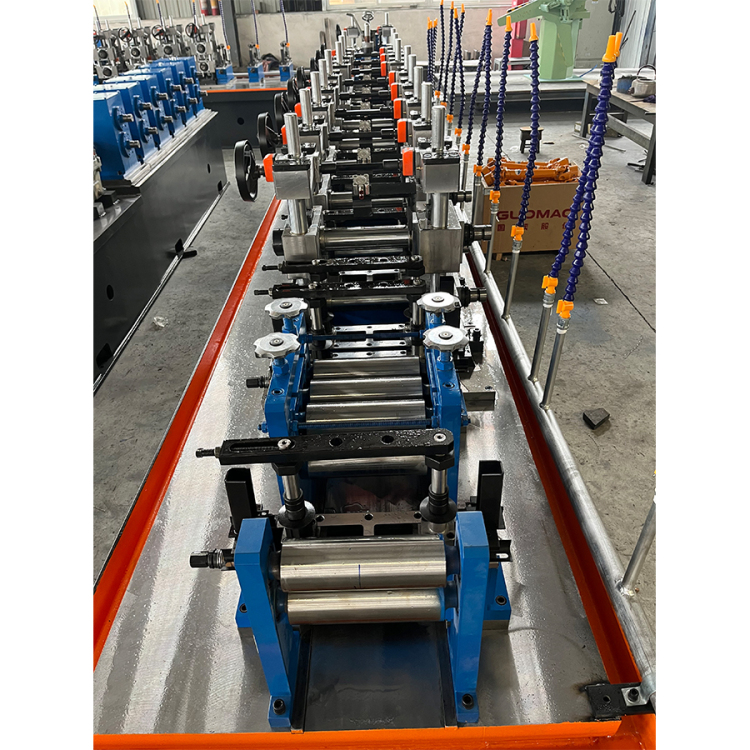
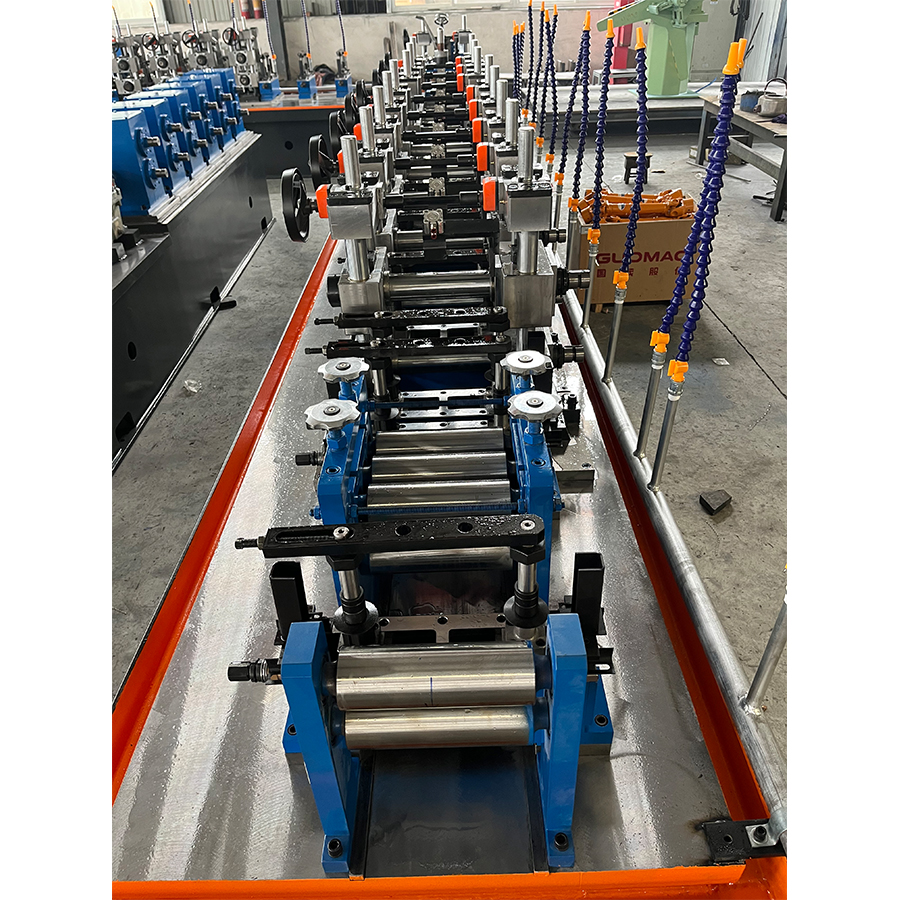
Manufacturing equipment also dictates your costs. Suppose you decide to manufacture the tubes in-house. Feeding aluminum strip into a Roll Forming Machine seems straightforward, but aluminum's lower yield strength causes massive springback, requiring specialized dies. If you are producing steel components, running a Steel Tube Mill Machine demands robust welding and cooling systems. In both cases, the material dictates the tooling and energy costs.
The rule for buyers is this: If your application is low-pressure and not exposed to corrosive elements, aluminum can be a great budget option. But for high-pressure refrigeration, marine environments, or high-efficiency heat transfer, the initial "cheap" price of aluminum is an illusion. Stick to copper, where the reliability and maintenance savings pay for the premium upfront.