
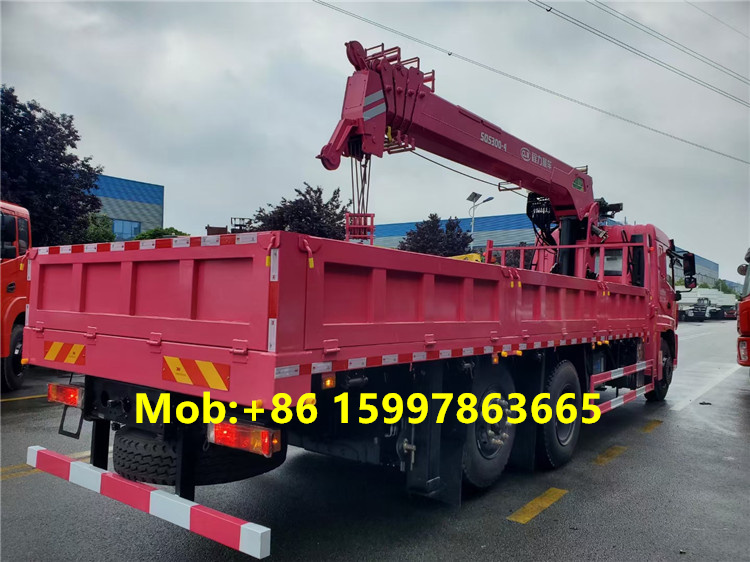
Truck cranes have undergone a technological renaissance, evolving from mechanical workhorses into intelligent systems that enhance precision, safety, and efficiency. These innovations empower operators to handle demanding lifts—such as 8-ton loads on telescopic booms reaching 13 meters—with unprecedented control and minimal risk. By integrating sensors, automation, and connectivity, modern designs minimize downtime and maximize productivity across construction, utilities, and logistics.
Intelligent Load and Stability Systems
Central to advancements are sophisticated Load Moment Indicators (LMI) and Rated Capacity Limiters (RCL), which process data from angle sensors, pressure transducers, and inclinometers in real time. These systems dynamically compute safe working loads for 360-degree slewing operations, automatically throttling hydraulic flow at 20MPa to prevent overloads on outriggers spanning 4.2 meters. Anti-two-block devices on truck crane use ultrasonic proximity detection to avert hook collisions, while adaptive stability controls adjust counterweights based on terrain tilt up to 5 degrees.
Telematics gateways enable cloud-based fleet monitoring, streaming diagnostics on PTO engagement, winch performance, and 160L hydraulic reservoirs via 5G connectivity for predictive maintenance.
Next-Generation Hydraulics and Controls
Variable displacement pumps delivering 50L/min with electro-proportional valves offer infinite adjustability, allowing smooth, energy-efficient manoeuvres synced to 190HP engines at 2200rpm. Hybrid electro-hydraulic actuators reduce response times by 40%, supporting remote wireless controls up to 150 meters—ideal for confined urban sites. CAN-bus architectures consolidate inputs from joysticks, touchscreens, and haptic feedback, creating intuitive interfaces that cut operator training by half.
Electric-hybrid powertrains recapture braking energy, enabling zero-emission modes for indoor or regulated zones while extending runtime during extended outrigger deployments.
Advanced Materials and Structural Engineering
Truck crane boom sections crafted from quenched-and-tempered high-strength steel alloys achieve superior strength-to-weight ratios, trimming dead loads to 2.8 tons without sacrificing 12 ton-m lift moments. Carbon fibre reinforcements in fly jibs extend outreach while resisting fatigue over 15,000 cycles. Self-aligning slewing bearings with integrated lubricants slash maintenance intervals, complemented by vibration-dampening mounts that stabilize high-speed rotations.
Thermal imaging cameras and adaptive LED arrays provide 24/7 visibility, integrating with AI for automatic slew halting near obstacles.
Automation and Digital Intelligence
Machine learning algorithms analyse sway patterns via inertial measurement units (IMUs), deploying variable frequency drives (VFDs) to counter oscillations autonomously—boosting cycle times by 25%. Computer vision overlays virtual envelopes on cab AR displays, guiding precise load paths for novice and expert operators alike. Blockchain-secured digital twins simulate operations pre-lift, optimizing configurations for straight-arm or knuckle-boom variants.
Edge computing processes wire rope tension data onboard, alerting to wear before it compromises safety factors exceeding 5:1.
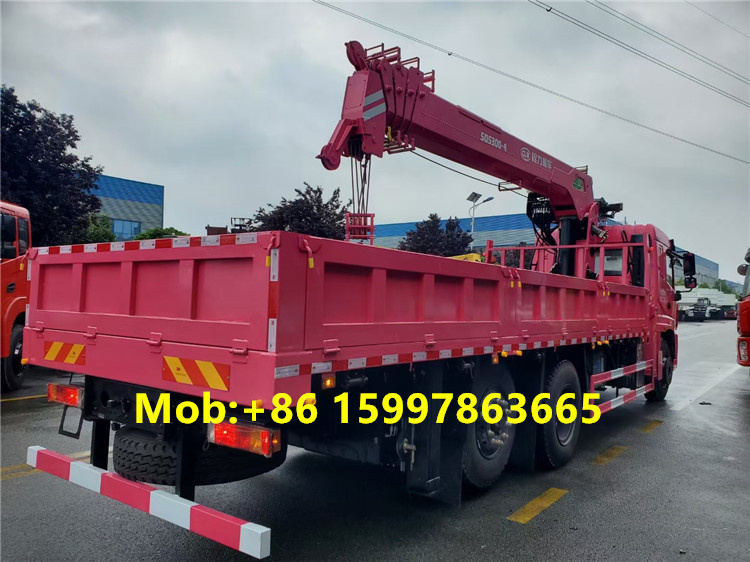
Sustainability and Scalability
Regenerative systems and biofuel-compatible hydraulics align with green standards, reducing carbon footprints by up to 30%. Modular architectures facilitate field upgrades from 8 to 20-ton capacities, ensuring longevity in evolving regulatory landscapes.
These breakthroughs redefine truck cranes as proactive partners—safer, smarter, and sustainably superior—driving the future of mobile heavy lifting with seamless innovation.