
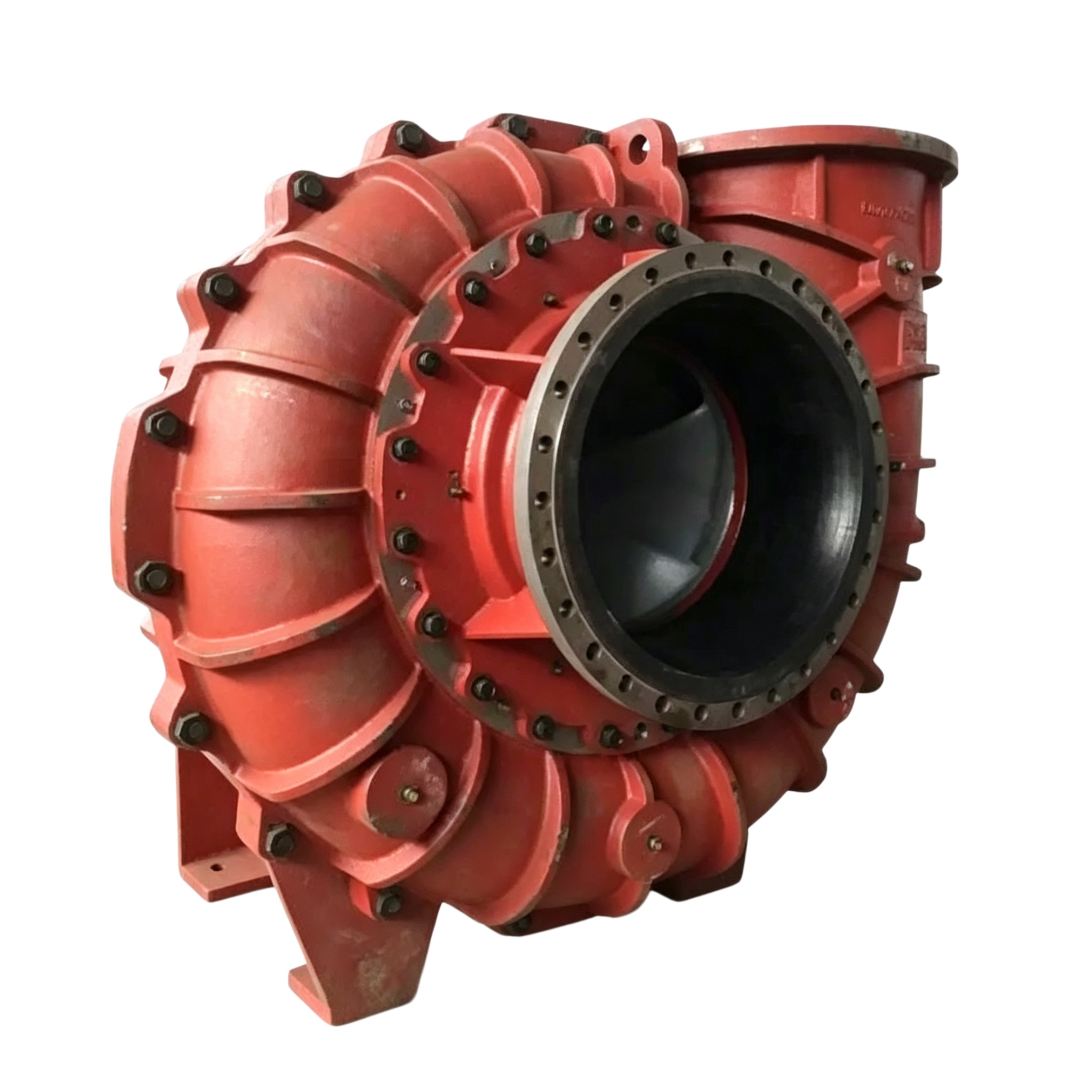
1. The Three Alloys, One Axis: Abrasion vs Corrosion
All three are high chrome white irons, and all three harden far beyond the steel a general fabricator would offer. What separates them is chemistry balance — and therefore which failure mechanism dominates. Before comparing an A05 high chrome alloy slurry pump wet end parts quotation against A07 or A49 pricing, identify which enemy arrives first in your slurry.
|
Property |
A05 |
A07 |
A49 |
|
Chinese equivalent |
KmTBCr27 |
KmTBCr30 |
Corrosion-grade Cr27 (Ni-bearing) |
|
Carbon |
2.4–3.0% |
2.6–3.2% |
1.6–2.2% (lower) |
|
Chromium |
26–28% |
28–30% |
26–28% |
|
Other |
Mo 0.5–1.5% |
Higher Mo |
Ni 1.5–2.5%, Cu |
|
Hardness |
HB 580–620 (HRC 58–65) |
HB 700–800 |
HB 550–600 |
|
Abrasion resistance |
Baseline |
1.8–2.5× on coarse, high-stress duty |
0.8–1.0× (trades hardness for corrosion) |
|
Corrosion resistance |
pH 4–10 |
pH 4–10, not better than A05 |
Best of the three; limestone/gypsum, seawater-tolerant |
|
Toughness |
Good |
Lower — avoid heavy impact |
Good |
|
Cost index |
1.0 |
1.15–1.30 |
1.10–1.25 |
Two conclusions fall straight out of that table. First, A05 vs A07 slurry pump parts wear life comparison comes down to particle stress, not hardness marketing: A07's extra carbide volume pays only when particles are coarse and angular, and on fine tailings it can actually under-perform A05 because its lower toughness lets carbides micro-crack under vibration and start-up shocks. Second, hardness never buys corrosion resistance — a harder alloy in acidic slurry fails faster, because the martensitic matrix corrodes and undercuts the carbides regardless of how hard they are.
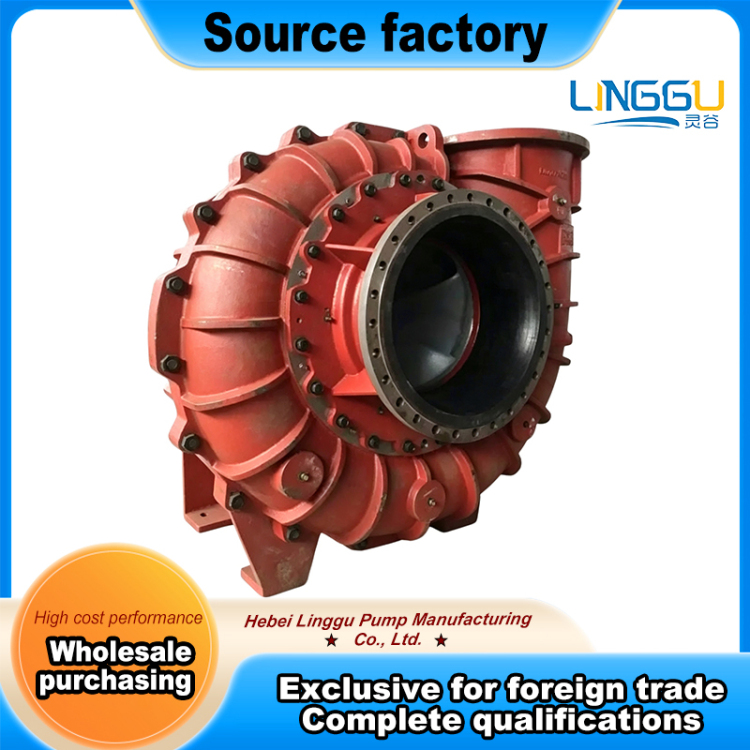
The mechanism matters for buyers. Wear life is set by whichever enemy arrives first. In clean abrasive slurry at neutral pH, that is abrasion, and alloy hardness wins. In limestone slurry, fly ash with sulfites, or seawater, corrosion attacks the matrix between carbides, and A49's nickel-stabilised structure holds the carbides in place long after a straight Cr27 matrix has dissolved around them.
2. Duty-to-Alloy Mapping
Match the alloy to the dominant failure mechanism, then check the price premium is worth the extra hours:
|
Duty |
Slurry character |
Recommended wet end |
Why |
|
Mill discharge, cyclone feed |
Coarse, angular, pH 6–8 |
A05 |
Baseline abrasion duty; A07 only if top size > 15 mm |
|
Fine tailings, d50 < 200 µm |
Fine, rounded, neutral |
A05 |
A07 premium buys little; toughness matters more |
|
Coarse dredge, screen oversize |
> 15 mm, high impact |
A07 |
Extra hardness on sliding abrasion; verify no tramp metal |
|
Power plant fly ash transport |
Abrasive + sulfite/acidic condensate |
A05, A49 if pH < 5 |
ash slurry pump with high chrome wet end parts in straight A05 is the industry default; move to A49 when ash is co-fired with high-sulfur coal |
|
FGD absorber recirculation |
Limestone/gypsum, pH 4.5–6, chlorides |
A49 |
Corrosion-dominated duty; A05 pits within one season |
|
Seawater or brine duty |
Chloride > 500 mg/L |
A49 or duplex 2205 |
Chloride pitting defeats plain Cr27 at weld lines |
Three practical notes sharpen the mapping. On fly ash: the abrasive fraction does the bulk of the damage, so most plants run A05 and accept it — but where desulfurization downstream drops the pH, a plant running an ash slurry pump with high chrome wet end parts in A49 gains 30–50% liner life for a ~15% price premium, which is the cheapest uptime available. On A07: reserve it for the pump that sees the coarse fraction — often just the primary mill discharge or primary dredge pump — and keep A05 on the downstream stages; putting A07 everywhere raises spares cost 20% for almost no system-level gain. On mixed corrosion-plus-impact duty: neither alloy solves it alone; A49 on the volute and A05 or A07 on the impeller is a common split build, and JI NAN LING GU supplies wet ends configured this way from a single drawing set.
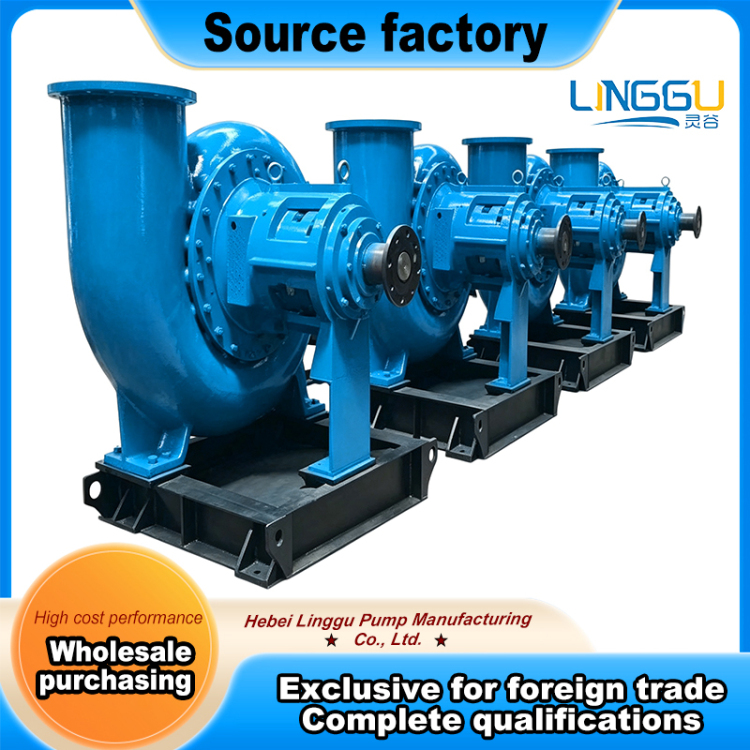
One procurement caution closes the loop. Because the designations stamped on A05 high chrome alloy slurry pump wet end parts are not universally policed, alloy verification belongs in the acceptance checklist: request a spectrometer reading of Cr, C and Ni against the grade band, and treat any "A49" quoted without nickel in the certificate as A05 with a markup.
Bottom line: choose the alloy from the slurry chemistry first and the particle size second — A05 for abrasion, A07 for coarse stress, A49 wherever corrosion leads.
FAQ
Q: Is A07 always better since it is harder?
A: No. The A05 vs A07 slurry pump parts wear life comparison only favours A07 when particle stress is high — coarse, angular solids at meaningful head. On fine, rounded duty A07's 1.8–2.5× advantage collapses toward 1.1×, while its lower toughness makes it more sensitive to impact and misalignment. Pay the premium only on the pumps that see the coarse end.
Q: Which alloy should an FGD limestone slurry pump use?
A: A49, or a duplex 2205 build on severe duty. Limestone/gypsum slurry at pH 4.5–6 with chlorides corrodes the matrix of a straight Cr27 (A05) wet end and undercuts the carbides; A49's nickel-bearing matrix resists that attack. Hardness does not help — this is the one duty where a softer high chrome grade outlives a harder one.
Q: How do I verify which alloy I actually received?
A: Ask for a spectrometer certificate showing Cr, C, Mo and Ni per melt, and spot-check with a portable analyser on delivery — Cr 26–28% with Ni 1.5–2.5% identifies A49; Cr 28–30% with HB 700–800 identifies A07. JI NAN LING GU ships chemistry and hardness certificates with every wet-end shipment, and will cross-check a competitor's "equivalent" part against these bands before you commit to a larger order.
CTA
Send your slurry analysis — particle size, pH, chloride, solids by weight and duty point — and JI NAN LING GU will return an alloy recommendation with expected life range and price comparison across A05, A07 and A49 on the same frame. Request an alloy quotation from Hebei Linggu Water Pump Manufacturing Co., Ltd.