
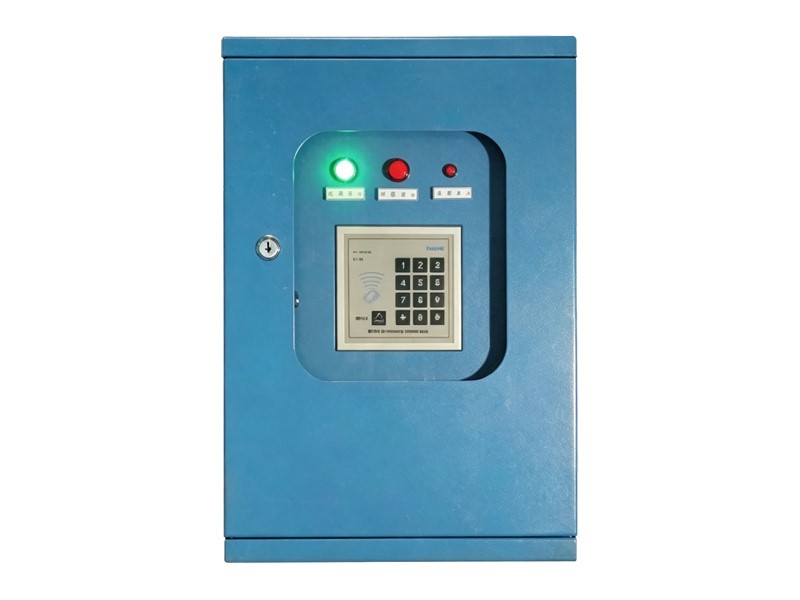
Within roughly 2 km of a coastline, 316L is the only grade that reliably reaches a 25-year design life without coating upkeep; 304 is the sensible inland potable choice, and hot-dip galvanized belongs on fire or process water. Chloride attack starts at the weld, the gasket and the bolt hole, not mid-panel. Specifying a box type intelligent pump station for a coastal resort before settling the panel grade is how projects end up replacing seals in year six. Sancaitong builds both stainless and galvanized cells, so this is about duty conditions, not stock.
1. Which grade actually fits the water and the site?
Decide in this order: is the water potable, how much chloride is in the air, and how long must the asset last — then price the shortlist. Material is a consequence of those three answers. A Stainless steel water tank built from 304 has no coating to wear out, but its passive film is vulnerable to chlorides; 316L adds molybdenum and is the standard answer for marine air, desalination storage and coastal hospitals.
| Criterion | 304 panel | 316L panel | Hot-dip galvanized panel |
| Potable water | Yes, no liner | Yes, no liner | Only with food-grade EPDM/butyl liner |
| Chloride resistance | Moderate | High (Mo-bearing) | Low without coating upkeep |
| Typical panel thickness | 1.2–6 mm, usually 2–4 mm | 1.2–6 mm | 4–18 mm, usually 5–12 mm |
| Zinc coating | n/a | n/a | ≥275–600 g/m² per ISO 1461 |
| Service life | 25–50 years | 40–50+ years | 15–30 years, liner 10–15 years |
| Best duty | Inland potable, food, pharma | Coastal potable, high hygiene | Fire reserve, irrigation, utility |
Indicative 2026 China listings put welded 304 modular panels near US$71–78/m³ at 100 m³ MOQ and hot-dip galvanized near US$75–87/m³ — close enough that stainless often wins on lifetime cost. Domestic quotes vary more widely (304 RMB 900–1,800/m³, 316L RMB 2,000–2,800/m³, HDG RMB 600–1,200/m³), so a quotation must name plate thickness, grade and finish, not just volume.
The hybrid strategy is usually cheapest: 304 or 316L for potable, coated steel for the separate fire reserve. Keep the volumes physically separate — many authorities reject a combined vessel, and NFPA 22-based rules treat fire storage as a dedicated calculated volume.
Hygiene compliance is a system property, not a plate property. NSF/ANSI 61 covers every wetted component: gaskets, sealants, nozzles, bolts, manholes and welds. A certificate scoped to the panel alone does not cover the EPDM strip in the flange. Ask which model and which materials the certificate names, whether NSF 372 lead content is separately required, and whether the project asks for WRAS approval or BS 6920 for non-metallic parts. Sancaitong supplies the material list and weld procedure with each custom order so that review can happen before fabrication, not at handover.
✅ Bottom line: Choose by potable duty, chloride exposure and design life; put the hygiene premium on the drinking cell and use coated steel for fire reserve.
2. What does the grade decision change downstream?
It changes the fabrication records, the joint system and the enclosure spec — three places where coastal failures actually start. Grade selection is not a line item; it propagates through everything bolted or wired to the vessel.
| Item | Coastal target | Evidence to request |
| Weld finish | Pickled and passivated, no crevices | Passivation and weld procedure records |
| Gasket | Food-grade EPDM, chlorination resistant | Material certificate with NSF 61 scope |
| Bolts / flanges | 100–200 mm spacing, torque log | Assembly and torque records |
| Hydrostatic check | 24 h full-fill, no weeping | Dated test report with photos |
| Enclosure | IP54 minimum, 300 h neutral salt spray, no red rust | GB/T 10125-2012 test report |
| Condensation control | Ventilation or dehumidifier, 40 mm insulation | Enclosure drawing and heat-trace schedule |
On 304 and 316L, post-weld pickling and passivation matter as much as the alloy. Untreated heat tint is a crevice chemistry waiting to happen; a smooth, cleanable inner surface is why stainless is specified for pharmaceutical and food storage in the first place. For galvanized panels, zinc sacrificially protects a scratch — but only while zinc remains, and a potable liner adds a 10–15 year replacement event to the budget.
The electrical side is equally exposed. A coastal plant room combines salt-laden air, high humidity and large day–night temperature swings; condensation inside a sealed panel is a common cause of nuisance trips. Specify IP54 or better, a 300-hour neutral salt-spray result on the enclosure, anti-condensation heating or forced ventilation, and surge protection on the incoming supply. Sancaitong wires and tests the water supply control cabinet, level interlocks and telemetry as one factory assembly, so the enclosure rating, cable glands and drain path are fixed before shipment rather than decided by the site electrician.
Layout affects energy too. A tall, narrow cell needs heavier panels and tie rods above ~2 m water depth; a low, wide cell of equal volume uses lighter plate and less static head. Apply a 1.1 safety factor and verify the pump curve at the real duty point. Published high-rise retrofits show VFD operation cutting pump energy 27–41% with 14–24 month paybacks — savings that vanish if the set is oversized for a peak occurring two mornings a year.
✅ Bottom line: Lock weld treatment, gasket certification and enclosure rating with the grade; coastal corrosion is a joint and cabinet problem, not a plate problem.
FAQ
Q: Is 304 acceptable within 2 km of the sea if we wash the exterior? A: Not for a 25-year potable asset. Chloride deposits concentrate at welds and under gaskets, where washing never reaches. Use 316L for the wetted shell, or a hygienically coated panel with a documented potable-water approval. Sancaitong will quote both and show the lifetime cost difference for your project.
Q: Can disinfection be added after the tank is installed? A: Yes. A dose-validated ultraviolet sterilizer can be flanged into the outlet main, with a 40 mJ/cm² alarm setpoint, a 254 nm sensor and a shutoff valve that closes on power loss. Reserve the straight pipe length, a drain and a power outlet in the plant room drawing now — retrofitting them later costs more than the reactor.
Q: What is the lead time for custom grades and private-label orders? A: Off-season production is typically within 15 workdays; peak season runs about one month. Zhengzhou Sancaitong Industry and Trade Co., Ltd. provides OEM and ODM branding, custom voltages, consolidated container loading and spare gasket kits for wholesale distributors across 60+ export markets.
Get a grade recommendation with your quotation
Send the water analysis, distance to the coast, design life, potable versus fire duty, ambient temperature range and target approval standard. Sancaitong returns a grade comparison, panel schedule, joint and gasket list, enclosure specification and a factory-direct quotation at no charge. As a China manufacturer we build the vessel, pump skid, controls and disinfection stage under one roof, so you approve a single custom package instead of coordinating three suppliers. Ask about OEM/ODM branding and bulk distributor pricing.
Mobile: +86 15515555235
Email: [email protected]
Website: www.chnzzsct.com