The difference comes down to chemistry, specifically how the steel handles chlorides. Standard 304 stainless is the baseline for food contact. It handles general moisture and mild detergents fine. But if your facility processes seafood, uses high-salt brines, or relies on chlorine-based sanitizers, 304 will eventually show rust spots and pitting. Once the surface pits, it becomes a breeding ground for bacteria.
This is where 316 stainless earns its premium. By adding molybdenum to the alloy, 316 resists chloride attack much better. It holds up to aggressive washdown cycles, keeping the surface smooth and free of corrosion traps.
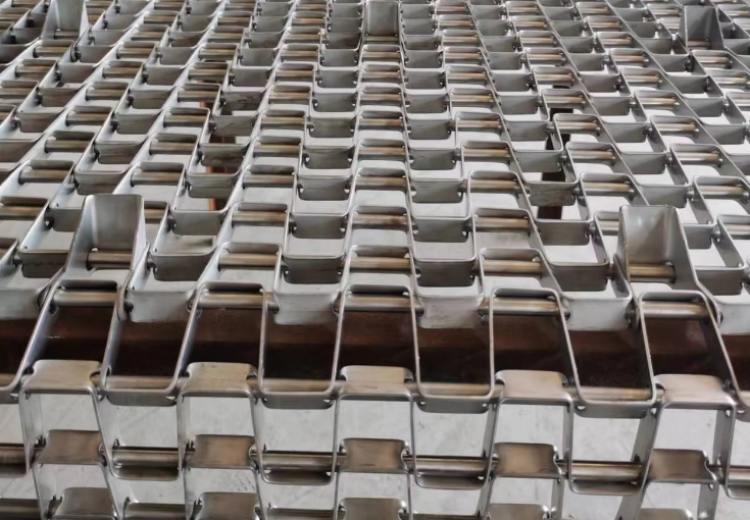
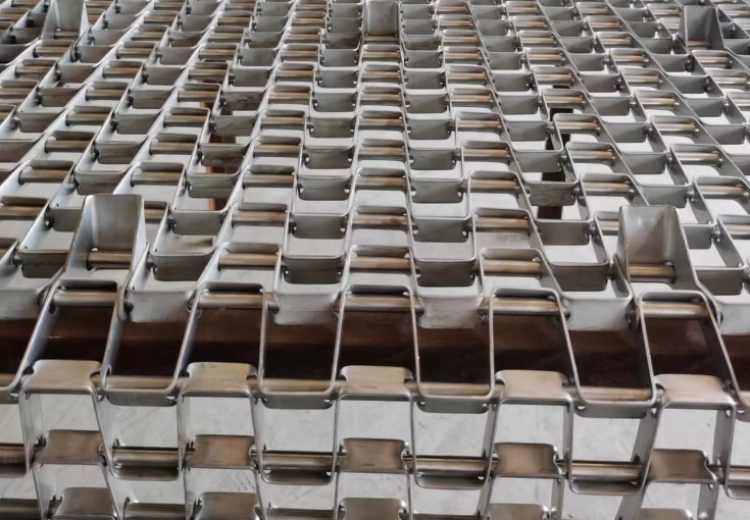
This material choice applies across different mesh designs. A heavy-duty Wire Conveyor Belt carrying heavy loads needs the same corrosion protection to maintain its tensile strength. The same goes for a Flat Flex Belt used for delicate products or spiral cooling. If the alloy fails, the structural integrity fails, no matter how the belt is woven.
So, how should buyers decide? Match the alloy to your actual cleaning chemicals. If you use mild soap and water, 304 is perfectly fine. If you use heavy sanitizers, salt, or acidic washdowns, pay the extra for 316. It is much cheaper than replacing a rusted belt every year. Always ask your supplier for the material test certificate (MTC) to verify the grade.